
Discover the Rich Flavors of Bun Kebab
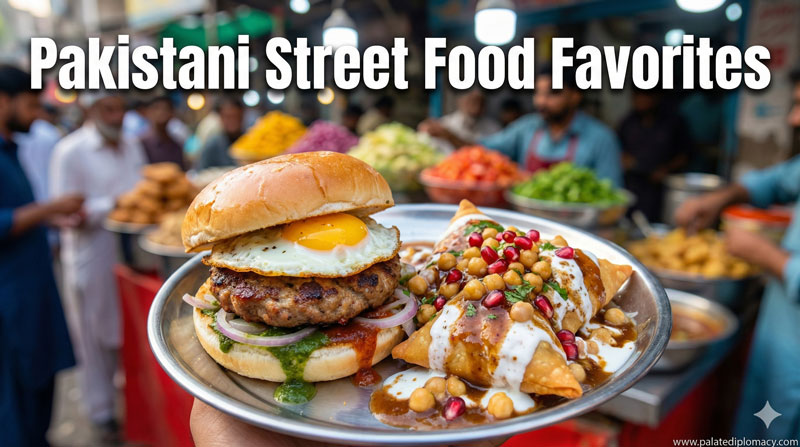
Bun Kebab welcomes the senses with a warm aroma and a playful crunch. The dish pairs a soft, lightly sweet bun with a savory, well-seasoned patty. It is finished with bright chutneys, crisp onions, and a hint of fresh herbs. This post celebrates its cultural value and culinary significance. You will notice how each bite tells a story of daily life, craft, and shared joy. The dish is accessible, inviting, and quietly elegant in its balance of flavors. Let us explore how Bun Kebab fits into a vibrant Food Culture and why it endures as a Favorite snack and meal.
What Bun Kebab Is and How It Finds Its Place
Bun Kebab is a humble sandwich built from three dependable elements: the bun, the kebab patty, and the chutneys that carry brightness and zing. First, the bun offers tenderness and a gentle sweetness that complements spicy and savory notes. Next, the kebab patty provides a juicy center, often made from finely minced meat or vegetables with a blend of spices. Finally, chutneys and fresh toppings add tang, herbiness, and a touch of brightness. This combination creates a versatile, satisfying bite that suits busy streets, family kitchens, and casual gatherings alike. In many cities, cooks adapt the recipe with local spices, making Bun Kebab a shared canvas for regional flavors while preserving its familiar structure.
The Building Blocks: Bun, Kebab, and Chutneys
The bun anchors the dish with a soft bite and a mild sweetness that cleanses the palate. The kebab patty builds depth, guided by spices such as cumin, coriander, black pepper, and garam masala. A careful mix of herbs like fresh coriander and mint elevates aroma. The chutneys are the bright accents: a green chutney with cilantro and mint for freshness, and a tangy tamarind or date chutney for balance. Optional onions, sliced tomatoes, and pickles add crunch and contrast. When these elements come together, the sandwich offers layered textures and harmonious contrasts—crisp exterior, tender center, and a chorus of bright flavors.
The Sizzle: Cooking Methods and Texture
Cooks bring the kebab to life with skillful heat. The patty is often shaped small and cooked on a hot pan or griddle to develop a bronzed crust while staying juicy inside. This sear delivers aroma and a satisfying bite. The bun is toasted or warmed briefly, enhancing its aroma and making it sturdy enough to hold the fillings. The chutneys are added in a thin, even layer to avoid sogginess and to keep the bite clean and crisp. The result is a sandwich that textures harmonize—soft bread, a succulent center, and a lively finish from condiments.
Flavor Harmony: Spices, Herbs, and Acidity
Bun Kebab shines when flavor balance is precise. Spices provide warmth without overwhelming the palate. Fresh herbs brighten every mouthful, giving a hint of green zest. Acidity from chutneys lifts the dish, preventing richness from feeling heavy. The interplay of sweet bun, savory kebab, and tangy chutneys makes the experience dynamic yet cohesive. In this harmony, no single element dominates; instead, each component supports the others to create a memorable, uplifting bite.
Cultural Value: Community, Craft, and Hospitality
Beyond taste, Bun Kebab carries cultural value in the everyday rituals of eating. Street stalls, family kitchens, and small eateries create spaces where people pause, chat, and share a moment over a warm bun. The dish invites conversation and connection, serving as a convenient yet honest meal for people on the go. It also supports artisans who source quality ingredients, master spice blends, and perfect the patty. In many neighborhoods, Bun Kebab becomes a beloved ritual—something diners return to with familiarity, trust, and a sense of place.
Regional Variations Across Cities
Across cities, cooks bring distinct touches to Bun Kebab while preserving its core identity. Some kitchens favor a slightly sweeter bun, while others emphasize a bolder spice mix in the patty. Green chutney might lead with mint and cilantro, or a tangier chutney with tamarind may take center stage. Additions like grilled onions, a splash of lemon, or a final dusting of chaat masala appear in different combinations, each reflecting local tastes. These variations celebrate culinary curiosity and the joy of sharing—neighbors and visitors alike discover new expressions of a familiar sandwich in every bite.
The Craft of the Vendor: Skill and Care
The artistry behind Bun Kebab rests in careful preparation. Seasoning must be even, patty size consistent, and cooking heat well controlled. The bun should be warm but not soggy, sturdy enough to cradle the fillings. The chutneys should balance sweetness, tartness, and spice without overpowering the main flavors. Skill is visible in small details: how evenly the patty is pressed, how the bun is toasted, and how the toppings are layered for balance. This craft is taught through time, shared between seasoned cooks and aspiring chefs, and passed along in family kitchens and bustling stalls alike.
How to Enjoy: Pairings and Occasions
Bun Kebab shines as a versatile companion to many moments. It makes a satisfying snack between activities or a light meal on busy days. Pair it with a cooling yogurt-based drink, a glass of buttermilk, or a simple lime water to refresh the palate. Its bold flavor profile also suits a day of street-side tasting with friends, family breakfasts, or casual dinners. The dish invites a relaxed, unhurried approach to eating—one bite at a time, with conversation and smiles.
A Last Word on Sweet-Savory Joy
In the end, Bun Kebab is more than a tasty sandwich. It is a small advisory of culture—an expression of care, skill, and shared dining. Its components invite curiosity, its preparation rewards patience, and its cultural value lies in the everyday joy it brings to countless tables. Whether you savor it at a busy stall or recreate it at home, Bun Kebab offers a warm invitation to celebrate flavor, craft, and community.