
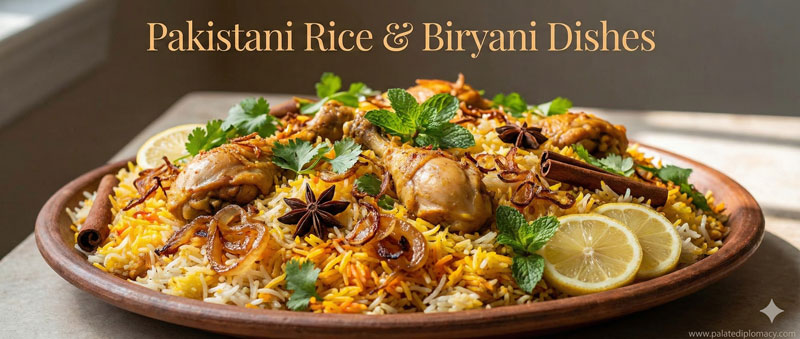
Discover the Rich Flavors of Pulao
Pulao is a fragrant rice dish that has a special place in many kitchens. It invites you with warm aromas and a sense of hospitality. The dish blends grains, spices, and subtle textures to create a comforting experience. It feels both everyday and festive, a reminder that food can carry memory and community in each bite.
What is Pulao?
Pulao, sometimes called pilaf, is a one-pot rice dish where grains soak up delicate flavors as they cook. Typically, basmati rice is used for its long, fluffy grains. The cooking starts by lightly toasting spices and aromatics in oil or ghee, then the rice joins with broth or seasoned water. The result is tender rice with a gentle perfume from cumin, cardamom, cloves, cinnamon, bay leaves, and sometimes saffron. Vegetables, nuts, and dried fruit may be folded in for texture and sweetness. The technique emphasizes balance: heat, time, and careful layering create a cohesive dish rather than separate flavors.
Cultural Value and Shared Moments
Pulao sits at the heart of many gatherings. It is a dish that welcomes guests with aroma and care. In homes and markets, cooks prepare pulao for family meals, celebrations, and everyday nourishment alike. It is common to see pulao as a main course or as a centerpiece paired with crisp salads or yogurt-based sides. The dish signals generosity and shared abundance, inviting conversation and togetherness. Through its preparation, cooks pass down practical skills and a language of scent, texture, and timing that connects generations.
The Harmony of Ingredients
The beauty of pulao lies in its simple components working in harmony. Long-grain rice provides lift and bite. Spices release their perfume as they bloom in hot fat. Onions caramelize to a soft sweetness, while saffron or turmeric adds color and warmth. Nuts and dried fruits introduce crunch and moments of sweetness. The broth, whether vegetable or meat-based, gives depth without overwhelming the grains. When cooked with care, each element remains distinct yet united, offering a chorus of flavors in every spoonful.
Regional Expressions of Pulao
Across regions, pulao reveals local tastes and seasonal bounty. In some kitchens, peas, carrots, or green beans brighten the dish. In others, saffron threads or a whisper of rose water lift the aroma. Meats such as chicken, lamb, or fish may accompany the rice, or the dish may stay veg-forward to highlight vegetables and legumes. Across cultures, the technique stays rooted in careful simmering and gentle steam, which allows the rice to glow with the aroma of the spices. The result is a flexible template that honors local ingredients and personal preferences.
Techniques that Elevate Flavor
Key steps make pulao radiant. Rinse the rice to remove extra starch, then soak briefly for even cooking. Temper whole spices in oil or ghee to release their oils. Add onions and aromatics, then the rice, and finally simmer with the right amount of liquid. Avoid stirring too much, which can break grains. A light lift at the end helps keep the rice fluffy. Finishing with fried onions, chopped herbs, or a sprinkle of toasted nuts adds a final layer of texture and aroma.
Serving Traditions and Pairings
Pulao shines when served with complementary dishes. A cool yogurt dip or raita balances the warmth of the spices. Fresh herbs, fried onions, and chopped nuts provide color and crunch. Cucumber-tomato salad or a cucumber-mint relish can brighten the plate. In many homes, pulao is shared with guests as a symbol of welcome and care, making the meal feel thoughtful and complete.
Seasonal and Moodful Variations
Seasonal ingredients can influence pulao without changing its essence. Spring peas or fresh herbs bring brightness, while autumn spices and nuts deepen the aroma. In warmer months, lighter broths keep the dish fresh; in cooler times, richer stock adds comforting depth. The adaptability highlights pulao’s enduring relevance in diverse food cultures and occasions.
A Gentle Invitation to Taste and Learn
Pulao invites you to slow down and savor aroma, texture, and balance. It celebrates how simple grains and spices can express hospitality, memory, and place. Whether you cook it for a quiet family dinner or a joyful gathering, pulao offers a respectful, uplifting dining experience. Try making pulao at home and discover the beauty of this beloved rice dish.
Final Reflections
In every region, pulao carries a calm elegance that honors traditional cooking and shared meals. Its cultural value rests in its ability to bring people together around a single pot, where every grain tells a story of warmth, care, and craft. By appreciating pulao, you honor a culinary tradition that continues to thrive in kitchens near and far, offering comfort, color, and connection with every bite.