
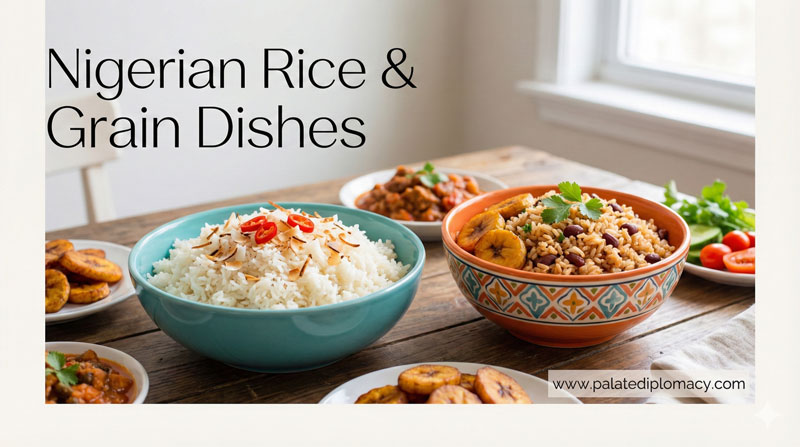
Discover the Bold Flavors of Tuwo Shinkafa
Discover the Bold Flavors of Tuwo Shinkafa invites you to explore a dish that sits at the heart of Northern Nigerian dining. This soft rice porridge, shaped into a gentle mound, meets vibrant soups and sauces to create a comforting, all-season staple. The dish speaks with quiet confidence: a ritual of care, patience, and shared delight. You feel the warmth as soon as you see it, and you taste the care in every bite. The cultural value shines in every step of its making and in the way people come together to enjoy it.
Cultural Significance
Tuwo Shinkafa is more than sustenance; it is a symbol of hospitality and togetherness. Families prepare it with reverence, inviting others to share in a meal that honors both everyday life and special occasions. The dish marks moments of welcome, celebration, and kinship. In many homes, the act of cooking becomes a daily conversation between generations. Elders pass down techniques and stories, while younger cooks add their own touch. This transfer of knowledge helps keep tradition alive and evolving. The aroma fills the kitchen and signals a gathering of friends, neighbors, and loved ones. Through these rituals, Tuwo Shinkafa preserves a sense of place and belonging.
Ingredients and Preparation
The essence of Tuwo Shinkafa lies in its simple ingredients and careful preparation. The core elements are rice, water, and a touch of salt. Some cooks grind rice into a smooth flour, while others use whole grains that are softened and mashed. Either way, the goal is a glossy, thick consistency that can be shaped and held in the hand. The rice mixture cooks slowly, stirring gently to Avoid lumps and to develop a silky texture. The result is a pale, inviting dough that holds its form yet remains tender. When ready, cooks often let the dough rest briefly, allowing the surface to settle into a uniform sheen.
Cooking Techniques and Texture
First, heat a pot with water and a pinch of salt. Next, gradually whisk in the rice flour or mashed rice, keeping a steady, gentle pace. Then, simmer and stir until the mixture thickens into a smooth, cohesive mass. The texture should be soft and slightly elastic, Like a warm cloud that yields to the touch. Some cooks steam the dough lightly to enhance its sheen and cohesion. Finally, the dough is worked by hand or with a traditional tool to create a rounded, compact shape. This careful handling creates a surface that gleams and a center that remains tender. The result is a versatile base that invites dipping and scooping.
Serving Traditions and Occasions
Tuwo Shinkafa always finds a companion—usually a bright, flavorful sauce. Popular choices include Miyan Kuka, a soup made from dried baobab leaves, and Miyan Taushe, a peppery pumpkin-based soup. Peanut-based soups, known as Miyan Gyada, also pair beautifully with the dish. The pairing brings balance: the mild, comforting rice base complements the bold, aromatic sauces. Traditionally, diners eat with their hands, shaping a small portion of Tuwo Shinkafa into a ball and dipping it into the sauce. This tactile experience adds warmth to the meal and deepens the sense of sharing. The dish fits everyday meals and also graces festive gatherings, weddings, and naming ceremonies, where it reinforces hospitality and community.
Regional Variations and Sauces
Across regions, tweaks evolve while the core idea remains intact. In some homes, cooks enrich the rice dough with a touch of clarified butter or margarine for extra gloss and a faint sweetness. In others, they keep it strictly simple, letting the rice flavor shine. The accompanying soups bring regional character to the plate. Miyan Kuka signals a connection to locally grown greens and dried leaves, while Miyan Taushe highlights seasonal squash and peppers. Regardless of the variation, the pairing always emphasizes balance: a gentle, comforting base matched with sauces that sing with aroma and brightness. These regional nuances celebrate the diversity within a shared culinary tradition.
Flavor Profile and Pairings
The flavor of Tuwo Shinkafa is subtle, with a comforting rice sweetness and a faint nutty note from the flour. The real excitement comes from the pairing sauces. A spoonful of Miyan Kuka offers a slightly tangy, leafy depth that contrasts with the smooth dough. Miyan Taushe brings warmth and sweetness, with pumpkin and spice notes that brighten the palate. Peanut soups add a roasted, earthy richness that rounds out the meal. Texture plays a crucial role too: the creamy smoothness of the Tuwo Shinkafa contrasts with the lively, broth-soaked bites of the sauce. Together they create a harmonious eating experience that invites slow savoring.
The Experience of Making Tuwo Shinkafa
Making Tuwo Shinkafa is a moment of care and focus. The process connects cooks to a lineage of tradition and to those who will share the meal. You can sense the patience in every stir, the pride in shaping a flawless mound, and the joy in presenting a dish that feels like a warm welcome. Families often gather in the kitchen to observe and participate, turning cooking into a bridge between generations. The experience is calm, rhythmic, and deeply human. Sharing the dish becomes a quiet celebration of generosity and hospitality.
Healthful Qualities and Comfort
Tuwo Shinkafa offers a gentle, comforting experience that many people rely on for nourishment. The dish provides energy and satiety with simple ingredients, making it suitable for many meals. The pairing sauces deliver flavor without overwhelming the palate, allowing the dish to shine in its own right. The preparation method emphasizes careful technique, which translates into a dependable texture and a satisfying finish. In short, Tuwo Shinkafa is both nourishing and enjoyable—a testament to thoughtful cooking and mindful eating.
Simplicity with Depth
This dish proves that simplicity can carry depth. The core ingredients are few, yet the result feels complete and elegant. The ritual of cooking, serving, and sharing adds layers of meaning that extend beyond taste. Tuwo Shinkafa showcases how a staple can become a cultural touchstone—an edible emblem of welcome, family, and tradition. Each bite invites you to slow down, observe the textures, and appreciate the artistry in everyday cooking.
Conclusion
Tuwo Shinkafa offers a doorway into a rich culinary world. It presents a balanced blend of texture, aroma, and savor, all wrapped in a respectful embrace of culture. The dish stands as a cherished expression of hospitality and togetherness, inviting everyone to gather, share, and celebrate good food. As you explore its flavors, you discover more than a meal—you discover a living tradition that welcomes you with warmth and grace. The boldness lies not only in taste but in the heart of the culture that nourishes it.