
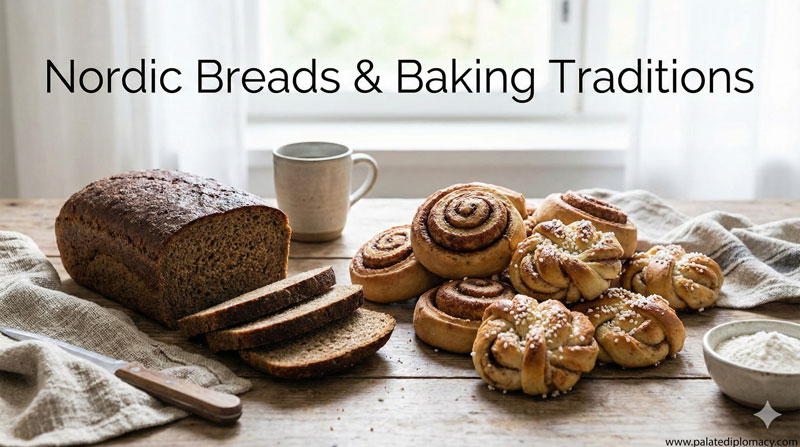
Top Reasons Nordic Locals Love Cinnamon Buns
Cinnamon buns are more than a pastry. They are a warm reflection of daily life in Nordic towns. The bun invites with a soft rise, a sweet swirl, and a comforting aroma. Locals savor the moment they bite in and savor the balance of spice and dough. This dish holds a gentle yet steady place in homes, bakeries, and cafés. It is a everyday ritual that feels both familiar and special.
The Fika Connection: A Pause That Feels Personal
Fika is more than a break; it is a valued moment to connect. A cinnamon bun often arrives with coffee or tea during this pause. People share stories, smile, and listen. The ritual is relaxed and welcoming. Clear transitions from busy work to calm pause make the moment feel reassuring. The bun becomes a small ceremony that honors presence and companionship. In this context, flavor and texture help tell the story.
Craft and Craftsmanship: Dough, Filling, and Bake
The dough needs patience. Yeast helps it rise and lift. Butter adds richness, while sugar balances sweetness. Cinnamon brings warmth, sometimes with cardamom for extra depth. The swirl reveals a careful layering of flavors inside the bun. Baking time marks the moment when texture comes alive: a tender crumb, a slight chew, and a glossy finish on the top. The process is accessible enough for home bakers and refined enough for the bakery window. The care involved makes each bun feel Like a small achievement.
Regional Names and Subtle Variations
Across Nordic regions, the same beloved idea wears different names and touches. In Sweden, many know the term kanelbulle and its classic, glossy finish. Finland offers korvapuusti, where a pinch of spice and a slightly wilder swirl can appear. Norway and Denmark each have their own familiar variations, shaped by local tastes and traditions. While the core idea stays constant—cinnamon, dough, sweetness—the tiny adaptations tell a story of place and preference. These small differences enrich the shared love of the bun and celebrate regional flavors without changing the Heart of the dish.
Seasonal Rhythm and Community Sharing
Baking rhythms follow the calendar. In the colder months, the kitchen fills with warmth as cinnamon buns rise. Neighbors exchange treats and tips, and schools or workplaces often share trays during celebrations or simple gatherings. The dish strengthens the sense of belonging. It is not just a snack; it is a beacon of cozy hospitality. The act of sharing reinforces trust and generosity in everyday life. The bun becomes a small token that says, “You are welcome here.”
Texture, Aroma, and Pairings: The Culinary Significance
The bakery aroma is part of the experience. Butter and sugar create a gentle sweetness, while the cinnamon provides a comforting kick. The finish on top—glaze or crumbly sugar—adds a sweet sparkle. The bun pairs beautifully with coffee, tea, or cold milk. Some savor it warm with a touch of vanilla. The sensory appeal—smell, feel, taste—makes the bun memorable. It is a harmonious blend of soft crumb, subtle crunch, and a perfume that lingers invitingly.
Enduring Value: A Dish That Bridges Moments
Cinnamon buns carry a quiet cultural weight. They mark ordinary days with a touch of grace and celebrate small joys. The dish serves as a bridge between home and public life, between morning rituals and afternoon chats. Its value lies in how it invites people to slow down, share, and appreciate simple pleasures. This gentle balance—comfort, craftsmanship, community—defines why Nordic locals keep returning to the cinnamon bun, again and again.
Final Thoughts: A Timeless Favorite
In many homes, the cinnamon bun is more than taste; it is memory and meaning. It stands as a graceful example of Nordic culinary craft—humble in ingredients, generous in spirit, and bright with aroma. The dish teaches that good food can shape daily life: a small act of care, a shared moment, a lasting impression. Cinnamon buns remain a beloved staple, inviting everyone to pause, savor, and smile.