
Introduction
A Complete Guide to Enjoying Amala Like a Local invites readers into a cherished corner of Nigerian dining culture. Amala is more than a dish; it is a warm ritual that brings people together around a shared table. This guide highlights its cultural value and culinary significance. You will discover how amala moves from simple ingredients to a beloved thread in everyday life, and how its pairing with soups tells a story of flavor, texture, and hospitality.
What Amala Is
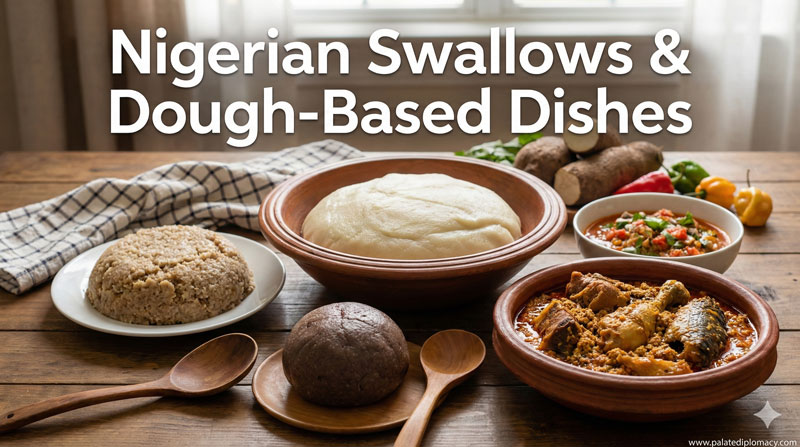
Amala is a smooth, dark dough made from yam flour, also known as elubo, or from cassava flour in some regions. It is cooked with hot water until it becomes elastic and glossy. The result is a hearty, finger-friendly staple that absorbs deeply flavored soups. Amala’s color and shine come from careful preparation and steady heat. Yet its charm lies as much in its feel as in its taste—a satisfying balance between strength and softness.
Texture and Preparation
The texture is the heart of amala’s appeal. It should be firm enough to hold its shape, yet pliable enough to form a small ball with the fingers. First, boil water to a gentle glow. Then gradually whisk in yam flour until a cohesive dough forms. Stir briskly to remove lumps, and let it settle into a smooth, springy mass. Finally, shape a portion into a compact roll or ball. The process is rhythmic and communal, often shared in kitchens and markets alike. The result is inviting, with a subtle, earthy aroma that signals comfort and home.
Popular Pairings: Soups That Elevate Amala
Amala shines when paired with soups that bring brightness, warmth, and depth. The most beloved companions include:
- Ewedu: A leafy, jade-green soup that adds a fresh, silky note.
- Ogbono: A rich, nutty soup that thickens beautifully and clings to amala.
- Gbegiri: A smooth bean soup whose warmth complements the dough’s bite.
- Egusi: Melon-seed soup that offers a nutty richness, often enjoyed with amala.
These pairings reflect a harmony of textures and flavors. The smoothness of amala contrasts with the soupy, sometimes chunky, character of the soups. Together, they create a comforting balance that many families crave on market days, family gatherings, and weekend meals. In every bite, you sense a tradition of patience, skill, and shared appetite.
How to Eat Amala Like a Local: A Simple Guide
You can savor amala with a few easy steps. Start with a small portion to test heat and flavor. Then:
– Tear off a piece of amala and roll it gently into a ball.
– Dip or scoop the ball into your chosen soup.
– Bring the bite to your mouth and let the flavors mingle.
– Repeat with the next mouthful, enjoying the texture as the soup coats the amala.
– Alternate bites between amala and the soup to balance doughy bites with liquid richness.
In many homes, the right hand is used for eating and shaping, which adds a tactile, communal dimension to the meal. The practice invites focus on flavor, balance, and the pleasure of slower, mindful dining. By following these steps, you experience amala as locals do—deliberate, comforting, and deeply satisfying.
Cultural Value: Community, Hospitality, and Shared Moments
Amala sits at the heart of many dining moments that define social life in parts of Nigeria. It is common at family meals, church gatherings, and neighborhood celebrations. The dish often appears with a chorus of compliments, questions about preparation, and stories of cooks who perfected a family’s best recipe. Sharing amala becomes a gesture of hospitality, signaling welcome and care. The act of passing bowls, ladles, and sauces from hand to hand reinforces connection and warmth. In this way, amala is not just sustenance; it is a social practice that binds people through taste and touch.
The foods that accompany amala also tell a story. Each soup brings its own history of ingredients, seasonal produce, and regional know-how. For example, ewedu’s crisp greens meet amala with a fresh, green finish; ogbono’s creamy texture creates a luxurious contrast; gbegiri and egusi add depth and heartiness. Together, they reflect a culture that values balance—between earthy starch, leafy brightness, and nutty richness. The result is a meal that nourishes both body and sense of belonging.
Tips for Selecting and Enjoying Amala
- Look for amala with a glossy sheen and a firm, elastic feel. It should not crumble easily.
- Choose soups with a vibrant aroma and balanced seasoning. Fresh greens or seeds add color and texture.
- If you are new to amala, start with a mild soup such as ewedu or gbegiri to learn how the dough absorbs flavors.
- Freshness matters. When possible, sample amala and soup at a reputable spot to experience The Best textures and aromas.
- Reheating tips: cover and gently steam or warm in low heat to maintain elasticity without drying out.
A Glimpse of the Dining Experience
The beauty of enjoying amala lies in the moment-to-moment sensory experience. The warmth of the dough, the aroma of the soup, and the interplay of textures create a comforting rhythm. Gathered around a table, friends and family share the dish, swap tips, and celebrate small joys—like a perfect bite, the aroma of a simmering pot, or the first compliment on a well-prepared meal. This is how amala becomes more than food; it becomes a memory of togetherness and care.
How to Explore Amala Beyond Home Cooking
- Visit a local market or restaurant that highlights Yoruba-inspired cuisine.
- Try different pairings to discover how each soup changes the character of amala.
- Ask for the chef’s preferred method or any regional twists, and listen to the stories behind their choices.
- Pair amala with a light drink or juice to refresh between bites while you savor the savory depth.
Conclusion
Amala carries a quiet dignity in every forkful. Its cultural value rests in its simplicity, its method, and the warmth it fosters when shared. This guide celebrates amala as more than a dish; it is a beloved practice that brings people together through flavor, texture, and tradition. By embracing its textures, savoring its pairings, and joining in the shared moments around the table, you inhabit a small, beautiful corner of food culture. Welcome to the world of amala—where each bite invites you to feel at home.