
Introduction
Rye bread holds a quiet majesty in many European kitchens. Its dense crumb, dark crust, and warm aroma invite daily rituals of sharing, slicing, and savoring. This guide celebrates rye bread as a living part of local food culture. It explores how communities bond over a single loaf, how flavors evolve with time, and how the bread shapes everyday meals. Read on to discover how to enjoy rye bread the way locals do, with curiosity and respect for craft.
What makes rye bread special
Rye flour brings a tangy depth that wheat alone cannot offer. The gluten structure is different, yielding a compact, chewy crumb. Slow fermentation awakens nutty notes and a pleasantly sour finish. Bakers appreciate rye for its resilience: it keeps well, adds moisture, and partners with seeds, nuts, and herbs. The result is not just bread, but a cultural canvas for breakfasts, lunches, and simple, comforting meals.
Regional voices: rye around the map
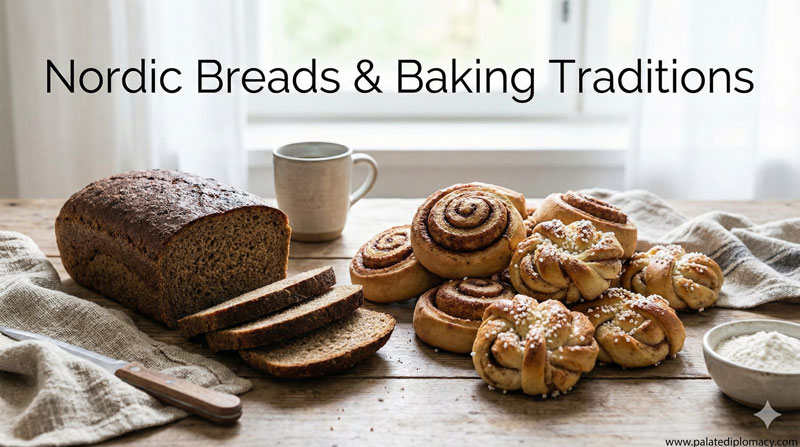
Across Europe, rye bread carries local soul. In parts of Germany and Poland, dense loaves pair with smoked meats and hearty soups. In Denmark, rye takes the spotlight in the iconic smørrebrød, a platter of open-faced sandwiches that showcase toppings like fish, pickled vegetables, and herbs. In Scandinavia and the Baltic states, rye is a daily staple that travels from breakfast to late-night snacks. Each region adds its own seeds, spices, and baking methods, creating a diverse family of breads anchored by rye.
How to enjoy like a local
First, choose a loaf with a vibrant aroma and a crisp crust. Next, slice with a gentle saw to keep the crumb intact. Locals often build meals around rye with simple, high-quality toppings: cultured butter, aged cheese, cucumber, rye crispbread, or pickles. Then, savor slowly. The texture and flavor unfold with every bite, inviting conversation about the day’s meals and shared memories. Finally, pair rye with the season: herbs in spring, roasted vegetables in autumn, smoked fish in winter.
The craft behind the loaf
Rye bread blends flour, water, salt, and a live culture. Fermentation is slow by design, letting flavors develop and the crumb gain complexity. Many bakers rely on sourdough starters that have lived in households for years, a thread connecting today’s loaf to yesterday’s. Techniques vary—hand-kneaded dough, stone ovens, or modern convection—yet the goal remains the same: a loaf that carries character, moisture, and a lasting aroma that lingers in the kitchen.
Buy, store, and share
Seek bread from a trusted local bakery or a farmers’ market stall. Fresh rye offers the most nuanced flavor, but properly stored loaves stay enjoyable longer. Personal storage tips include a linen bag in a cool place and a short stay in the freezer for longer-term needs. Sharing rye bread is a social ritual: break a slice, invite a neighbor, and listen to the soft crackle of the crust as you bite.
Rituals and everyday moments
Rye bread shines in daily life because of its adaptability. It anchors a simple breakfast with eggs, cheese, or jam. It partners with robust soups and hearty stews, absorbing flavors without overpowering them. The bread’s presence at the table signals care for the meal and respect for the cook’s effort. In many homes, slicing a loaf becomes a small ceremony, a moment of connection that sets a calm, convivial tone for the day.
Conclusion: a local treasure
Rye bread is more than nourishment; it is a reflection of place, craft, and routine. Its universal appeal lies in how easily it invites customization—by season, by topping, by moment. When you eat rye Like a local, you honor the hands that kneaded, the ovens that heated, and the communities that welcomed this humble loaf into daily life. May your next bite feel warm, thoughtful, and deeply rooted in the food culture you’re savoring.