
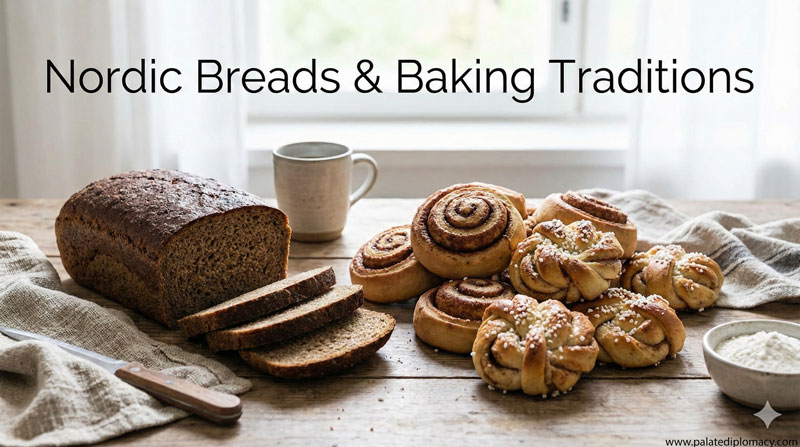
The Cultural Value of Rye Bread
Rye bread sits at the heart of many kitchens, weaving together daily meals with shared memories. It is one of those foods that feels Like a familiar friend, present from breakfast to supper. In markets and bakeries, rye bread signals a respect for grain, water, and time-honored craft. Its quiet presence invites conversations about ingredients, patience, and the joy of good bread. When people gather, a loaf of rye often takes a place at the table, inviting hands to break it, then share stories that center on taste, texture, and texture’s memory. In this way, rye bread becomes a cultural touchstone, a simple reminder of place and tradition.
Varieties and Grain Heritage
Rye bread encompasses a family of loaves that ranges from hearty, dark bricks to lighter, rustic rounds. Whole-rye loaves emphasize a deep, malty flavor and a dense crumb, while lighter rye mixes offer more air and a brighter finish. Caraway, dill, or sesame seeds frequently appear, adding a familiar choir of aromas. Sourdough starters, long fermentations, and stone-ground milled rye all shape the loaf’s personality. Each variation reflects a regional voice: the bold and robust in some northern bakers’ hands, the calmer, sweeter notes in others. Yet across these differences, the essential idea remains the same—rye brings a distinctive character to the bread basket, inviting appreciation for its grain, its fermentation, and its bake.
Texture, Flavor, and Aroma
Rye bread speaks through its texture and aroma as clearly as a spoken sentence. The crust often carries a warm, slightly nutty scent, while the crumb can be tender yet substantial, with a tight weave that lends resilience to slicing. The flavor tends to be earthy, with hints of grain sweetness and, depending on the recipe, a touch of tang from the rye’s natural acidity. This balance makes rye bread a reliable companion to a wide range of toppings and fillings. When you bite into a slice, you might notice a soft resistance, a sign of care in kneading and fermentation. The aroma alone can evoke cozy kitchens and the comforting ritual of bread-making.
The Craft: From Grain to Loaf
Behind every loaf lies thoughtful craft. Milling rye grain with care, maintaining a respectful hydration level, and nurturing a lively starter all contribute to the loaf’s personality. Fermentation time shapes flavor, bringing out maltiness and a gentle tang. Steam and oven heat create a crust that crackles at the edges while the interior stays moist. This craft is often a communal or family endeavor, with bakers passing techniques from one generation to the next and bakers exchanging tips in lively markets. The result is more than food; it is a demonstration of patience, skill, and a deep appreciation for the grain.
Slicing, Toasting, and Serving Like a Local
To enjoy rye bread like a local, honor the moment of slicing. Use a clean, sharp blade for even slices, then consider warming the loaf gently to awaken aroma. A light toast can transform the crust into a delicate crisp while preserving the soft interior. Butter is a classic partner, melting into the crumb and enhancing the grain’s sweetness. Cheese, smoked fish, pickles, or a dab of mustard brighten the loaf without overpowering it. Simple toppings—savory, tangy, or a touch of sweetness—let the bread shine. In this way, rye becomes a stage for personal favorites and regional flavors to mingle.
Regional Expressions and Pairings
Different regions celebrate rye bread with unique pairings that illuminate local tastes. In parts of Central Europe, rye bread accompanies hearty meats and robust mustards, with a slice often resting beside a wedge of cheese or a dab of pâté. Northern and Baltic traditions frequently place rye beside pickled vegetables and cured fish, offering a balance of bright acidity and earthy depth. In Nordic kitchens, rye offers a sturdy foundation for open-faced creations, where the bread supports toppings like creamy spreads and smoked fish. Across these regions, rye bread helps define meals by providing a dependable canvas for flavors that are characteristic of local cooking.
Practical Tips to Enjoy at Home
- Choose a loaf with a rich aroma and a firm crust. A loaf that feels heavy for its size usually signals good density and moisture.
- Store rye bread in a cool, dry place or wrap it in parchment, then place it in a breathable bag to maintain crust crispness.
- Slice as needed; rye bread re-acquires aroma when warmed briefly. A short warm-up can refresh both crust and crumb.
- Pair with butter, soft cheeses, or lightly pickled vegetables to highlight the grain’s earthy notes.
- Experiment with toppings in small combinations to discover personal favorites, whether you favor traditional accents or modern twists.
A Food Conversation: Rye as a Community Link
Rye bread invites us to slow down and listen to the rhythms of daily life. Its presence at the table offers continuity—an edible link between morning routines and evening gatherings. By exploring its varieties, savoring its textures, and sharing simple pairings, we honor a tradition that values craft, patience, and the joy of good bread. In this way, rye bread becomes more than nourishment; it is a quiet celebration of place, craft, and the beauty of food that brings people together.
If you’d like, I can tailor this guide to a specific region or set of rye varieties you’re curious about, and add a short glossary of common rye bread terms.