
Introduction
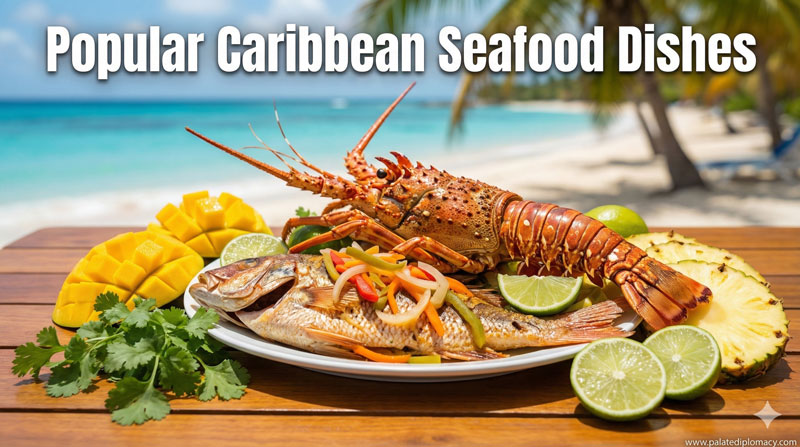
Escovitch fish is a bright, inviting dish that speaks softly about Caribbean food culture. It blends a golden, crispy fish with a lively vinegar-based topping. The result is a meal that feels Like a celebration of color, texture, and rhythm. In every bite, you sense warmth, care, and a love for fresh ingredients. This dish shows how Caribbean cooks honor the land, the sea, and the art of sharing.
The core idea: flavor plus technique
The heart of escovitch fish lies in balance. First, the fish is fried to a crisp finish. Next, it meets a tangy, peppery sauce that wakes the palate. The contrast between crunch and softness creates a musical texture. The technique is practical and precise, yet it feels approachable. The result is a dish that feels both everyday and special.
The sauce: tangy brightness with spice
The key topping is a bright vinegar-based escovitch sauce. It features onions, peppers, carrots, and sometimes scotch bonnet peppers for heat. Pimento berries and garlic often join the mix, adding warmth and depth. The sauce is quick to Make and refreshing in taste. It lifts the fried fish without overpowering it. The tang of the vinegar keeps the flavors lively and clean.
The fish: fresh catch, careful preparation
Caribbean kitchens honor the fish with care. Common choices include snapper, kingfish, or other firm, fresh fillets. The fish is cleaned and seasoned with simple salt and herbs. Frying creates a crisp outer layer while keeping the meat juicy inside. The fish acts as a dependable base for the lively sauce. Each piece feels like a small work of art on a plate.
Color, texture, and presentation
Color plays a central role. The golden fish contrasts with the bright vegetables in the sauce. The onions soften while still adding bite. The peppers contribute a pop of red or green, depending on the mix. This visual appeal invites the eater to explore textures. The result is not just a meal, but a pleasing experience for the senses.
Sharing at the table: culture in daily life
Escovitch fish often appears in family meals, street stalls, and backyard gatherings. It brings people together through a shared aroma and layered flavors. Cooking and serving the dish becomes a social moment. Generations pass down tips for seasoning, frying, and balancing the sauce. This communal sharing is a quiet thread that runs through Caribbean kitchens.
Regional notes: how it travels across the region
Across the Caribbean, cooks adapt escovitch fish to local tastes. Jamaica may highlight a specific pepper mix and a BAMMY or festival side. In other islands, different fish, vegetables, or herbs appear, yet the spirit remains the same. The dish travels with respect for local markets and seasonal offerings. The result is a family of variations that feel related, not identical.
Market freshness and seasonal influence
The dish shines when ingredients are fresh. The fish should be firm and bright. Fresh onions, peppers, and carrots add crunch and aroma. Vinegar, often white or seasoned, provides a crisp backdrop. When markets brim with colorful produce, the dish gains a sharper, livelier finish. This link to seasonality is a quiet testimony to Caribbean farming and fishing cycles.
Pairings and occasions
Escovitch fish pairs well with simple starches that let the topping sing. Rice and peas or plain white rice are common companions. Flatbreads, cassava-based sides, or fried dumplings also work well. For a lighter option, serve with a crisp green salad. The dish suits everyday dinners and festive gatherings alike. Its versatility makes it a staple in many homes and eateries.
The dish as a cultural palate
This recipe embodies a Caribbean palate that values brightness, balance, and shared pleasure. The crisp fish, tangy sauce, and vibrant vegetables mirror a cuisine that loves contrast in a harmonious way. The flavors invite conversation about ingredients, techniques, and timing. In this sense, escovitch fish becomes more than food; it is a friendly ambassador of Caribbean taste.
Conclusion
Escovitch fish stands out for its culinary significance and cultural value. It celebrates fresh seafood, sharp flavors, and thoughtful technique. It invites cooks and diners to slow down, savor, and share. The dish quietly honors everyday life and joyful gatherings alike. In every plate, you glimpse the beauty of Caribbean food culture: lively, welcoming, and endlessly nourishing.