
Everything You Need to Know About Ethiopian Sweet Pastries
Ethiopian sweet pastries captivate with warmth, aroma, and a sense of shared delight. These treats invite people to gather, to savor, and to celebrate small moments as easily as grand ones. In Ethiopian culture, pastries are more than dessert; they are a bridge between family, friends, and daily life. This article explores the cultural value and culinary significance of Ethiopian sweet pastries, highlighting what makes them special and how they enrich gatherings around tea and coffee.
The heart of Ethiopian sweet pastry culture
Sweet pastries in Ethiopia emerge from a long-standing tradition of hospitality and daily ritual. Families often bake or buy pastries to share after meals, during visits, or at special occasions. The act of presenting a pastry creates a moment of connection, an invitation to linger and enjoy conversation. In many homes, pastries appear beside coffee and tea, turning a simple drink into a full experience of scent, texture, and flavor. This ritual of sharing reinforces bonds, honors guests, and signals care and welcome.
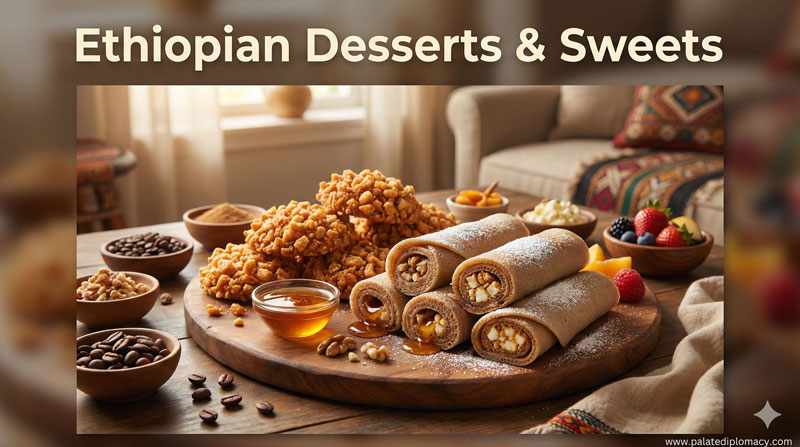
In markets and bakeries, aromas rise from ovens and trays. Vendors display pastries that gleam with sugar, nuts, and seeds. The visual appeal—golden crusts, sprinkled sesame, or glossy honey glazes—draws people in and makes the first bite part of the memory. Through these everyday offerings, Ethiopian sweet pastries nurture a sense of place and belonging, translating regional ingredients into universally beloved flavors.
Ingredients that sing in Ethiopian desserts
Sweet pastries rely on ingredients that are both humble and expressive. Honey adds natural sweetness and a floral note, echoing the region’s high regard for bees and beekeeping as a craft. Sesame seeds provide a toasty richness and a delicate crunch, echoing centuries of sesame use in breads and sweets. Nuts such as almonds and pistachios offer texture and depth, while ground spices like cinnamon, cardamom, and cloves lend warmth without overpowering sweetness.
Butter or clarified butter (often used in Ethiopian cooking) lends a silky mouthfeel and a fragrant, nutty finish. Fresh citrus zest or orange blossom could appear in some recipes, offering a bright contrast to the sweet base. While regional variations exist, these core ingredients create a familiar, comforting profile that connects pastries across families and neighborhoods. The result is a balance of sweetness, spice, and richness that feels timeless and welcoming.
Techniques and traditions in the oven and pan
Techniques in Ethiopian pastries emphasize even browning, gentle sweetness, and careful shaping. Many pastries rely on simple doughs or pastry sheets that are rolled, folded, or layered to create texture. Baking times are tuned to achieve a crisp, delicate crust coupled with a tender interior. Frying is another common method for certain pastries, producing a light, airy bite with a subtle gloss from sugar or honey glaze.
Glazes and toppings play a crucial role in the final presentation. A thin honey glaze, sugar dusting, or a sprinkle of sesame seeds adds both shine and crunch. Some pastries showcase a lattice or decorative cut, turning the baking process into a small, joyful craft. Across these methods, the emphasis remains on clarity of flavor, approachable textures, and a warm finish that invites another bite.
Shared moments: pastries in coffee and tea ceremonies
The Ethiopian coffee ceremony is a revered daily ritual, and sweet pastries often accompany it. The fragrance of freshly roasted coffee beans blends with the scent of baked goods, creating a sensory moment that moves conversations forward. Pastries provide a gentle sweetness that complements the coffee’s depth, making each sip feel more complete.
Tea service, less formal but equally important in many homes, pairs with pastries in the same spirit: companionship, conversation, and a pause from the day’s pace. In both settings, pastries act as a hospitable gesture—an edible welcome that enhances connection and reflection. The pairing is more than taste; it is an expression of care, hospitality, and shared joy.
Regional flair: variations across Ethiopia
Ethiopia’s diverse regions contribute subtle differences in pastry styles. In some areas, pastries emphasize honey and sesame with delicate nut fillings. In others, spices may be more pronounced, with a hint of warm clove or cardamom that lingers after the bite. Local produce, such as almonds, pistachios, or dried fruits, can shape the filling or topping, giving each neighborhood a signature touch while preserving the overall spirit of sweetness and shareability.
These regional nuances tell a story of place and tradition. They celebrate careful craft passed down through generations, adapted to the ingredients available in each locale. The result is a family of pastries that feels both distinctly Ethiopian and warmly universal—a reminder that food can honor heritage while inviting new experiences.
Modern inspirations while keeping roots
Today, bakers and home cooks alike blend classic techniques with contemporary twists. You may find pastries that incorporate modern flavors or playful textures, yet they stay anchored in the core values of balance and hospitality. The best contemporary pastries honor the past by preserving familiar notes of honey, sesame, and nuts, while introducing lighter textures or elegant glazes that suit new gatherings and seasons.
This evolution is a form of cultural conversation. It signals openness to change while affirming a shared love for the craft and the communal moment pastries create. Whether enjoyed at a family table, a neighborhood market, or a café, Ethiopian sweet pastries invite curiosity and welcome, inviting everyone to slow down and savor together.
How to enjoy and create a small Ethiopian-inspired pastry moment
If you want to experience Ethiopian sweet pastries at Home, start with simple combinations: a honey-scented pastry with a touch of cardamom, a sesame-crust treat with almond filling, or a nutty pastry drizzled with a light glaze. Present them on a shared plate to invite tasting and conversation. Pair with a cup of coffee or tea to mirror the traditional setting where these sweets shine.
When buying, look for pastries that feel fresh, with visible honey glaze or a gentle sheen. Fresh sesame seeds or crushed nuts add a tactile welcome. Share them with friends and family, and let the moment become a small, everyday celebration of togetherness. The beauty lies not only in flavor but in the hospitality and warmth that pastries carry.
Getting involved: where to learn and enjoy
Seek out Ethiopian bakeries or markets that highlight regional sweets. Attend a Local coffee ceremony or community gathering to observe how pastries are presented and enjoyed. If you enjoy cooking, start with a simple recipe from a trusted source and adapt it to your own kitchen, keeping the emphasis on balance, texture, and shared pleasure. By exploring these pastries, you participate in a living culinary tradition that invites you to listen, learn, and savor.
Ethnic and cultural food practices are journeys of taste, memory, and community. Ethiopian sweet pastries offer a welcoming doorway into that journey—one that is as much about people as about flavors. They remind us that food can be a gracious act, a moment of calm and joy, and a lasting connection across kitchens and tables.