
Introduction
Discover the rich flavors of Firfir. This dish shines with warmth, texture, and a sense of welcome. It is more than food; it is a doorway to daily life, home kitchens, and shared meals. Firfir invites neighbors and families to gather, taste, and celebrate the simple joy of careful cooking.
What is Firfir?
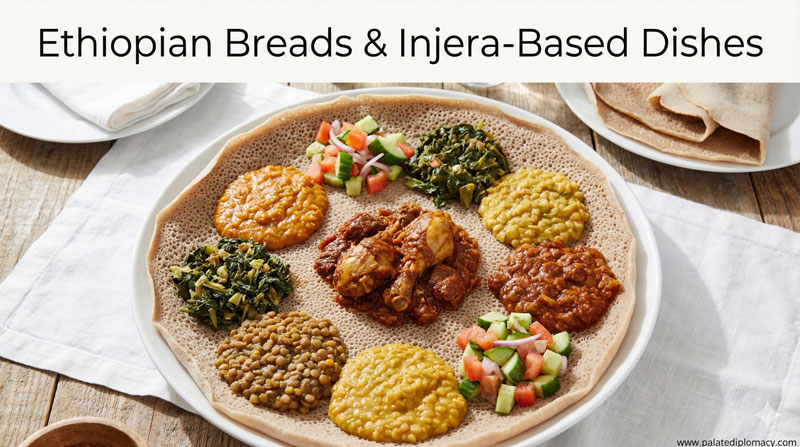
Firfir is a dish built on torn injera that is lightly fried with a bold spice blend. The backbone often includes berbere, onions, garlic, and a touch of spiced clarified butter or oil. Sometimes people add eggs or a small amount of meat for variety. The result is a balance of crisp edges and soft, savory depth. In its everyday form, Firfir is quick to prepare and deeply comforting.
The Ingredients and Technique
The core ingredients are straightforward and pantry-friendly. Injera provides the base, lending a tangy note from fermentation. Berbere brings warmth and nuance with a mix of chili, garlic, fenugreek, and other spices. Onions and garlic offer sweetness and aroma, while niter kibbeh or clarified butter adds a fragrant richness. The technique is gentle: tear injera into bite-sized pieces, sauté with onions and garlic, stir in berbere, then fold in the injera until the pieces shimmer and edges crisp. A final kiss of butter binds the flavors and aroma.
Flavor and Texture
Firfir presents a harmonious contrast. You get aromatic warmth from the berbere, a savory depth from onions and butter, and a satisfying crispness on the outside. The injera carries a faint tang and a soft interior, mingling with the spicy, toasty notes. The texture makes every bite lively, inviting you to slow down and savor.
Cultural Value and Culinary Significance
Firfir embodies hospitality and daily craft. It is a dish that welcomes guests to a table and signals a gracious pause in the day. Many households prepare Firfir as a breakfast or early meal, using it as a canvas for remaining injera. The preparation highlights balance—between heat and aroma, between speed and care, between tradition and personal touch. Sharing Firfir reinforces a sense of community and belonging around the stove and the plate.
Serving Traditions and Pairings
Serve Firfir hot, laid out on a broad platter or shared plate. A fresh cup of coffee or tea often accompanies it, echoing a rhythm of morning warmth. Some enjoy Firfir with a side of fresh vegetables or a simple salad to brighten the meal. The dish thrives on generosity: one pot, many plates, and a room full of conversation.
Regional Variations and Personal Touches
Across towns and homes, Firfir varies. Some recipes lean into extra spices or a touch of tomato for brightness. Others include eggs folded through the mix, adding protein and richness. The core idea remains: transform simple injera into a comforting, flavorful dish through careful technique and thoughtful seasoning.
Tips for Home Preparation
- Use fresh injera for the best texture.
- Toast spices lightly to wake their aroma before adding them to the pan.
- Adjust heat to your preference; start mild and build depth.
- If you like richness, finish with a small amount of butter or oil.
- Experiment with add-ins, such as peppers or herbs, to create your own signature Firfir.
Conclusion
Firfir stands as a celebration of everyday cooking and shared meals. It honors craft, warmth, and the beauty of simple ingredients transformed with care. By exploring its textures, aromas, and everyday rituals, you gain a deeper appreciation for Ethiopian culinary artistry and the comforting knowledge that a well-made dish can open a conversation and welcome everyone to the table.