
The Story Behind Firfir, a Favorite Ethiopian Food
Firfir opens a window into daily life and shared meals. The dish invites us to explore how simple actions—tearing injera and warming it with spice—become a comforting ritual. The name firfir echoes the motion of shredding the injera into bite-sized pieces, a gesture that brings warmth to the table. This dish is more than flavor; it is a quiet celebration of togetherness, patience, and skill passed from kitchen to kitchen. In this post, we celebrate its cultural value and culinary significance, highlighting the beauty that unfolds when food becomes a communal experience.
What Firfir Is
Firfir is a dish built on injera torn into strips or chunks and mixed with a flavorful, aromatic sauce. The sauce starts with a base of sautéed onions and oil, then picks up spices and heat. Berbere is a common star, giving depth and warmth, while butter or oil adds richness. Some versions include tomatoes for brightness; others lean toward a clean spice blend. You may encounter firfir with meat, lentils, or chickpeas, but many cherished versions center on the texture and tang of the injera itself. The result is a warm, comforting dish that blends sourness from the injera with the bold bite of spice.
Ingredients and Techniques
Key ingredients are injera, berbere spice, onion, garlic, and oil or butter. Ginger or other aromatics may join the mix for brightness. The technique is practical and rhythmic: sauté onions until sweet, add garlic and spices to bloom their flavors, then fold torn injera pieces into the pan. The pieces soak up the sauce and reheat gently, absorbing heat and aroma without losing their shape. A careful touch preserves the chew of the injera while letting the spices glow. This balance—soft interior, slightly crisp edges, and a lively spice profile—defines firfir’s character.
Flavor, Texture, and Eating Experience
Firfir offers a harmony of tangy, smoky, and earthy notes. The sour edge of injera meets the warmth of berbere and the richness of oil or butter. The texture blends bite-sized shreds with a silky sauce, making every mouthful a gentle, satisfying contrast. The aroma rises with toasted spices, onion sweetness, and a hint of heat. Eating firfir is a sensory invitation: the dish rewards patience as each piece absorbs the sauce and reveals its layered flavors.
Firfir in Ethiopian Culture
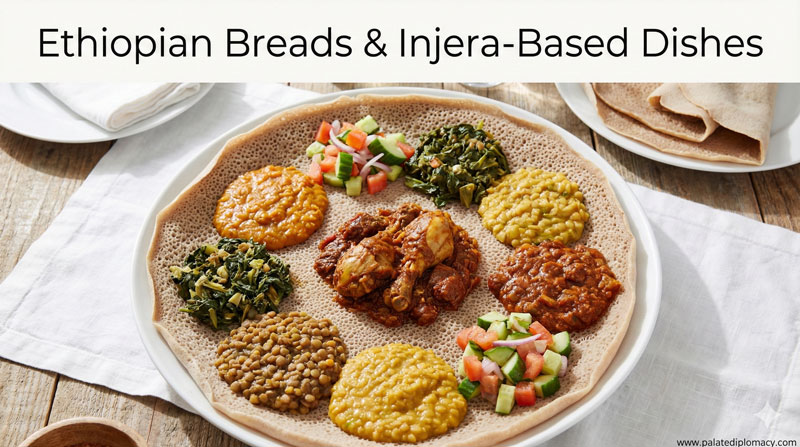
Firfir embodies hospitality and daily rhythm. It is a dish families prepare with care, often enjoyed together at Home or in community meals. Sharing a plate of firfir becomes a quiet act of welcome, a way to say “you are at home here.” The dish aligns with Ethiopian meals that begin with injera and a medley of stews, creating a familiar cadence across kitchens. Firfir also travels through time as a comforting favorite that grandparents, parents, and children can reminisce about, reinforcing family ties and food memory.
Regional Variations and Cooking Styles
Across regions, firfir wears different flair. Some versions highlight chickpeas, known as misir firfir, while others pair the base with tender meat for a heartier bite. Vegetarians savor firfir made with legumes or vegetables, letting spices carry the dish. Each kitchen adds its own touch—adjusting heat, sweetness, or acidity—yet all share the core idea: torn injera enlivened by a bold, savory sauce.
Serving and Pairings
Firfir shines as a morning or day meal, often enjoyed with a cup of coffee or tea. A simple salad or fresh tomato slices can brighten the plate, offering contrast to the warm, spiced base. The dish invites slow, mindful eating, encouraging conversation and connection around the table.
Conclusion: A Dish That Nourishes Culture
The Story of firfir is a story of hospitality, craft, and shared joy. It shows how Ethiopian cooks transform everyday ingredients into something celebratory and comforting. By honoring the texture of injera and the warmth of spice, firfir becomes more than a dish—it becomes a bridge to memory, family, and community. If you seek a dish that quietly celebrates the beauty of food and the art of gathering, firfir welcomes you to the table.