
How Fish Roll Reflects Nigerian Food Culture
Fish roll is a bright, beloved snack that shows how Nigerian meals move gracefully from market stall to family table. It is approachable, well loved, and easy to share. The dish mirrors everyday life: practical, flavorful, and made with care. Its presence in busy markets and friendly bakeries reveals a culture that values quick, tasty food that still feels crafted and thoughtful.
Traditional Craft and Everyday Skill
The filling starts The Story: flavorful fish mixed with onions, peppers, and gentle spices. The filling is then wrapped in a thin pastry sheet and sealed before it meets the hot oil. Frying gives a crisp, golden exterior that protects a tender, well-seasoned center. The steps are simple, yet they require rhythm and attention. Cooks balance heat, texture, and aroma to create a consistent bite every time. This craft shows how Nigerian cooks blend technique with intuition to produce a comforting snack.
Flavor, Texture, and Local Identity
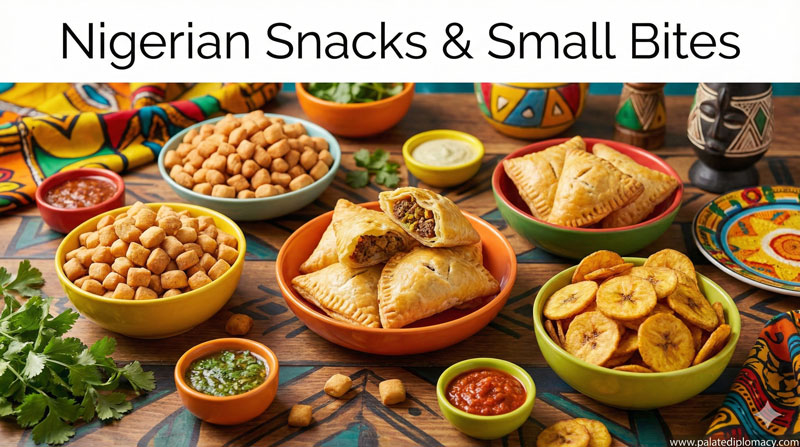
Texture is key. A flaky, crisp pastry pairs with a soft, savory fish filling. The pepper notes lift the profile, offering warmth without overpowering the fish. Color and aroma play their part too—the gleam of the pastry, the green flecks of herbs, and the inviting scent that fills a kitchen or street stall. The dish speaks to local ingredients and seasons, while keeping a universal appeal. In every bite, there is a harmony that feels both familiar and special to Nigerian dining.
Social Context and Shared Moments
Fish roll lives at crossroads of daily life and social moments. It appears in markets, bakeries, and street corners, ready for a quick bite during a busy day. Families buy a batch for school snacks or lunch breaks, and friends enjoy a plate together during a mid-day pause. Vendors greet customers with smiles, and conversations hum about where to find the crispiest wrapper or the freshest fish. The snack invites sharing, making it a small, welcoming part of community life.
Adaptability and Modern Home Cooking
Home cooks adapt fish roll to fit family tastes and occasions. Some change the level of spice or switch the fish type to suit preferences. Others experiment with wrappers, choosing puff pastry or spring roll skins based on texture and tradition. Still, the core idea remains: a savory pocket of fish inside a crisp wrapper, easy to enjoy with a dipping sauce or a warm drink. This flexibility shows how Nigerian cooks honor tradition while inviting personalization and creativity.
Regional Variations and Names
Across Nigeria, subtle differences appear in spice levels, wrapper choices, and filler textures. In some places, pastry is extra flaky; in others, filling is lighter and more delicate. Observing these distinctions highlights a shared love for snacks that travel well and fit into many everyday moments. The variations celebrate local preferences while keeping the essence of the dish intact.
Conclusion: A Window into Nigerian Food Culture
in the simple form of fish roll, we glimpse a culture that values flavorful, accessible food made with care. The pastry and its fish filling tell a story of balance, craft, and hospitality. This snack invites people to pause, savor, and share. It honors tradition without fuss and celebrates the everyday beauty found in well-made, well-loved food.