
How Fit-Fit Reflects Ethiopian Food Culture
Fit-fit is more than a dish; it is a window into Ethiopian food culture. It shows how taste, texture, and tradition come together at the table. This humble preparation honors skill, shared meals, and care for ingredients.
What is Fit-Fit?
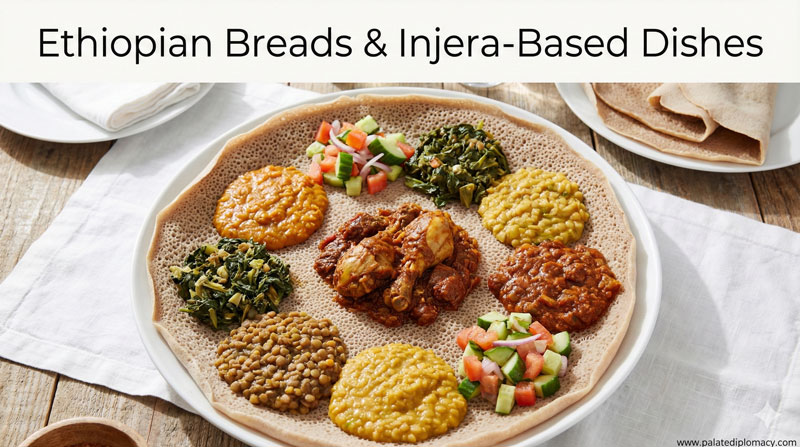
Fit-fit is a Traditional Ethiopian dish built from torn injera, the sour flatbread made from teff. Chefs and home cooks tear injera into small pieces and mix them with a sauce or stew. The result is a warm, comforting dish with a lively texture. The injera soaks up the sauce, carrying spice, aroma, and the bright tang of fermentation. Often a touch of clarified butter, called niter qibe, adds richness. The dish can be vegetarian or feature meat, but the heart remains the same: torn injera mingling with richly flavored sauce.
Texture, Technique, and Aroma
The magic of fit-fit lies in texture. Each bite blends soft, pliable injera fragments with saucy pockets of flavor. The torn pieces create rough edges that grab sauce and spices, giving every mouthful a dynamic feel. The technique is simple, yet respectful: tear, toss, and warm gently so flavors release without overpowering the sour brightness of the injera. Aromas rise from berbere, awaze, and the gentle sizzle of butter. The dish invites you to notice how a few ingredients work together to create depth, warmth, and balance.
A Dish of Sharing and Hospitality
Ethiopian meals are moments of togetherness, and fit-fit reflects that spirit. The plate is often laid out for a group, inviting everyone to gather and share. The act of serving and passing food around the table strengthens social bonds. A small, meaningful gesture in Ethiopian food culture is gursha—the cheerful act of feeding another person a bite of food to show appreciation. In a fit-fit gathering, this gesture often appears as everyone enjoys the same plate, savoring the same flavors and textures. The dish is a reminder that hospitality is expressed through sharing, care, and a generous spoonful for neighbors and family alike.
Regional Variations and Seasonal Notes
Ethiopian cuisine varies by region, and fit-fit adapts with ready-to-use ingredients. In some kitchens, the sauce is a bright, spicy mix like berbere; in others, a milder awaze provides a smoky, tangy backdrop. Some cooks add bits of meat, while others rely on vegetables and legumes to highlight the ferments and spices. A common thread is the use of injera as both bread and bowl—an embodiment of resourcefulness and versatility. The dish also reflects seasonality: fresh spices, the year’s harvest of teff or other grains, and the everyday rhythm of family meals. Through these variations, fit-fit remains a unifying expression of Ethiopian food culture.
The Culinary Significance of Injera and Spice
Injera is more than a base; it is a cultural language. Its sour note comes from natural fermentation, which has deep roots in daily life and food preparation. Fit-fit elevates injera by giving It a new, inviting role—one that showcases how tang, spice, and fat can harmonize. Spices such as berbere offer warmth and complexity, while awaze adds a fruity, tangy backbone. Together, they demonstrate how Ethiopian cooks balance bold flavors with comfort. The dish teaches a timeless lesson: transformation through simple steps can yield profound taste with everyday ingredients.
Fit-Fit as Everyday Art
Fit-fit sits at the crossroads of daily life and culinary artistry. It celebrates thrifty cooking—making the most of leftover injera while turning it into something new and exciting. Yet it does not feel hurried or basic. The careful balance of sauce, spice, and sourness invites mindful savoring. Each plate is a small showcase of technique, patience, and respect for ingredients. In this way, fit-fit is a living tradition: approachable enough for a weekday meal, yet special enough for a family gathering or celebration.
How to Enjoy Fit-Fit
To experience fit-fit, start with good injera, torn into bite-sized pieces. Warm the pieces gently to revive their softness. Add a flavorful sauce or stew, and toss until the injera absorbs the sauce without becoming mushy. A light touch of niter qibe or a drizzle of fresh oil can brighten the aroma and mouthfeel. Serve with vegetables, lentils, or a simple side of greens. Enjoy with a calm, social moment around the table, letting the shared flavors deepen connection. For a full Ethiopian dining experience, follow fit-fit with a cup of strong coffee and a quiet moment of appreciation for the meal.
Fit-Fit and Ethiopian Food Identity
Fit-fit embodies a core aspect of Ethiopian food identity: balance. It blends sour, spicy, and savory notes into one inviting dish. It honors teff and injera as foundational elements of cuisine, while inviting personal touches from families and cooks. The dish demonstrates hospitality, adaptability, and memory. It invites cooks to care for ingredients, respect tradition, and create warmth through food. In this way, fit-fit not only nourishes the body, but also quietly reinforces a shared culinary culture that welcomes all at the table.
Final Thoughts
If you are curious about Ethiopian food culture, observe fit-fit on a table and you’ll see a story in motion. It is a story of tearing bread to ож the heart of a meal, of sauces that sing with spice, and of communal joy. Fit-fit is a testament to how simple elements—injera, sauce, and a touch of butter—can converge into something culturally rich and delicious. It reminds us that food, when shared in a thoughtful way, becomes a bridge between days, families, and communities. In every bite, you taste the beauty of Ethiopian culinary tradition and the warmth of the table that welcomes you.