
Introduction
How Fit-Fit Reflects Ethiopian Food Culture invites readers to see more than a dish. It highlights a living tradition where food, technique, and hospitality blend into everyday life. Fit-Fit centers on injera, the soft, sour flatbread that serves as plate and utensil, and on a sauce-rich mix that brings comforting warmth to the table. Through its textures, flavors, and shared preparation, Fit-Fit reveals the beauty of Ethiopian culinary values: balance, generosity, and a deep respect for ingredients. This post explores the cultural value and culinary significance of Fit-Fit with a warm, inviting lens.
What is Fit-Fit?
Fit-Fit is a dish built from torn injera that has been coaxed into a cohesive, flavorful bite. Pieces of injera are stirred with a spiced sauce or wot, often enriched with onions, garlic, and berbere. The result is a soft, chewy morsel that carries the essence of the stew. The dish is typically served warm, with extra injera on the side or folded into the mix. This simple method turns leftovers or day-old bread into a fresh, heartening meal. Its adaptability makes Fit-Fit a dependable option for everyday nourishment and communal eating.
The Texture and Craft
Texture is the soul of Fit-Fit. The torn injera pieces absorb the sauce, releasing a mild tang from the fermented grain and a gentle sweetness from caramelized onions. The sauce adds depth, heat, and a glossy finish that invites a slow, mindful bite. The combination of chewy bread and richly seasoned wot creates a satisfying contrast that many find deeply comforting. Crafting Fit-Fit rewards attention to timing, as the injera should soak up flavor without turning mushy. This balance mirrors the broader Ethiopian approach to cooking: harmony between ingredients, technique, and patience.
Teff and Injera: The Foundation
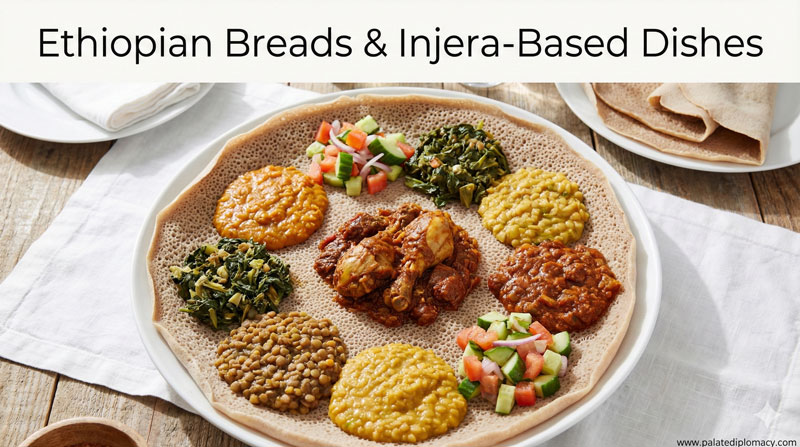
Injera is the canvas of Fit-Fit, and teff is its heart. Teff grains yield a light, airy batter that ferments into a bread with character. This fermentation gives injera its characteristic tang, a nuance that elevates the sauce it meets. When Fit-Fit brings torn injera into the pot, the dish embodies how Ethiopian cooks honor foundational ingredients. The injera’s texture—slightly spongy, slightly elastic—allows it to mingle with wot while preserving individual bite. Through injera, Fit-Fit teaches the value of using local grains to create texture, aroma, and gentle acidity that brighten the plate.
Cultural Significance and Sharing
Fit-Fit embodies hospitality and communal dining. Families gather around a shared platter, offering bites to one another and enjoying the rhythm of conversation that accompanies a meal. The act of sharing food reinforces bonds and signals care. In many households, the dish appears during everyday meals and at special gatherings alike, underscoring its role as a comforting staple. The practice of serving and receiving—often through the gesture of gursha, a brief bite given with warmth—expresses respect and generosity. Fit-Fit, therefore, is more than sustenance; it is a social ritual that celebrates togetherness.
Flavor, Fragrance, and Technique
The flavor profile of Fit-Fit centers on balance. Berbere brings heat and depth, while onions, garlic, and salt lift the dish with savory sweetness. A touch of niter kibbeh, a spiced clarified butter, can enrich the mix with a buttery perfume that lingers on the palate. The fragrance—savory, slightly smoky, and inviting—signals a meal prepared with care. The technique is practical and approachable: tear injera, heat the sauce gently, and fold the pieces into the pot to mingle. The result is a comforting, aromatic bowl that preserves the identity of Ethiopian flavors.
Fit-Fit in Everyday Life
Fit-Fit is a testament to resourcefulness and everyday nourishment. It makes the most of what is on hand, turning bread scraps into a fresh, satisfying dish. This efficiency mirrors Ethiopian values of respect for ingredients and mindful cooking. The dish is versatile enough to accompany staple sides like lentil stews, vegetables, or additional injera. Its affectionate simplicity invites people to gather, taste, and share stories, making Fit-Fit a natural anchor for family meals and friendly gatherings alike.
Craft and Community: The Making Process
In many kitchens, Fit-Fit is a collaborative affair. One person prepares the sauce, another tears the injera, and a third stirs, tasting and adjusting spices. The process emphasizes patience and cooperation, two hallmarks of Ethiopian cooking. Each step—from heating the sauce gently to folding the injera into the mixture—builds a sense of belonging. As the dish comes together, the kitchen fills with aroma and anticipation, signaling a moment of connection. This shared craft showcases not only flavors but also the care that goes into every meal.
Conclusion
Fit-Fit stands as a fragrant, flavorful reflection of Ethiopian food culture. Its humble ingredients—injera, teff, and a spice-rich sauce—become a vivid expression of hospitality, sustainability, and communal joy. The dish invites us to slow down, savor texture and aroma, and celebrate the beauty of shared meals. By embracing Fit-Fit, we honor a culinary tradition that values balance, generosity, and the everyday magic of cooking with heart.