
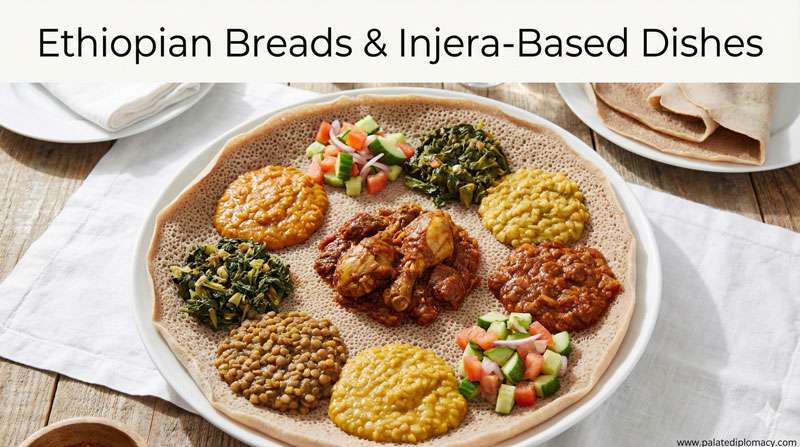
What is Fit-Fit?
Fit-fit is a cherished Ethiopian dish that quietly reveals the heart of the country’s food culture. It centers on torn injera, the soft, sour flatbread made from teff or a teff blend. Chefs blend those torn pieces with a flavorful sauce—often a berbere-spiced wot, or a creamy shiro—until the mix becomes a cohesive, saucy mass. The result is both comforting and bright, inviting spoonful after spoonful. Fit-fit honors simple ingredients, turning leftovers and staples into a dish that feels festive and complete.
The Technique That Brings People Together
The preparation is a ritual of touch and taste. Teff injera is torn into bite-sized bits and scattered into a warm bowl or platter. Sauce is poured over, then the pieces are gently turned and folded to soak up the flavors. This act of mixing is practical, but it also carries a social warmth. Everyone participates, guiding pieces of bread through sauce, sharing the same dish, and tasting it in turn. The texture—a soft, slightly spongy injera paired with a rich, sometimes smoky sauce—creates an inviting harmony that encourages conversation and connection.
Cultural Significance: Hospitality and Shared Table Life
Fit-fit stands at the crossroads of hospitality and daily life. It speaks to how Ethiopian households value generosity and inclusion. The single shared plate is a symbol of togetherness, where guests and family members join without barriers. The dish is easy to prepare for guests, yet it feels special, signaling care and attention. In many homes, fit-fit is part of the welcoming rhythm that makes a meal feel Like a gathering rather than a routine event. Through its communal nature, fit-fit mirrors the larger habit of sharing food as a form of respect and warmth.
The Culinary Language of Fit-Fit
Culinary beauty lives in balance. The tang of injera contrasts with the depth of the sauce, while the texture varies from soft bread to a slightly thicker bite. If the sauce is berbere-based, cumin, chili, and garlic layers give warmth and brightness. When shiro or a mellow sauce leads, creaminess and nutty notes appear, often enhanced by a knob of niter kibbeh, Ethiopian clarified butter, for aroma and richness. The dish gently showcases how ingredients in Ethiopian cuisine work together: grain, legume, spice, and fat, all in a single satisfying mouthful.
Regional Variations and Personal Touches
Across regions and families, fit-fit wears different flavors. Some kitchens favor awaze—the tangy, peppery spice blend—mixed through the bread and sauce. Others rely on shiro, a chickpea flour-based sauce, for a creamy, mellow undercurrent. Home cooks may fold in onions, garlic, or herbs to brighten the mix. The level of spiciness varies, but the core idea remains the same: transform simple pieces of injera into a unified, soulful dish. These variations celebrate local farmers, seasonal produce, and personal memories, making fit-fit both versatile and deeply rooted.
Serving, Pairing, and Etiquette
Fit-fit is typically shared from a single platter, with the host guiding portions for guests. The social act of dipping and mixing reinforces hospitality and equal participation. A meal may begin with injera and a modest plate of fit-fit, then expand into additional dishes, but the fit-fit itself often holds a central, unifying place. Beverages such as strong tea, coffee, or a light, sweet drink can accompany the meal, reinforcing a gentle rhythm of savor and conversation. The focus remains on warmth, presence, and the beauty of generosity at the table.
Fit-Fit: A Reflection of Ethiopian Life
In fit-fit, the everyday becomes meaningful. The dish celebrates frugality turned into richness, and community turned into flavor. It invites cooks and guests to share, to taste, and to tell a story with each bite. The result is not just nourishment; it is a microcosm of Ethiopian food culture—where texture, aroma, and communal experience come together in harmony. Fit-fit stands as a loving reminder that food can be both simple and deeply meaningful, a delicious expression of hospitality, craft, and shared joy.