
Introduction
How Fit-Fit Became Popular in Ethiopian Cuisine is a story told in kitchens, markets, and dining rooms across the country. This dish rises from simple ingredients and everyday practices. Its popularity grows because it speaks to care, creativity, and shared meals. The dish shows how Ethiopian cooks honor tradition while inviting new tastes to the table. It is a warm invitation to explore flavor, texture, and community.
What is Fit-Fit?
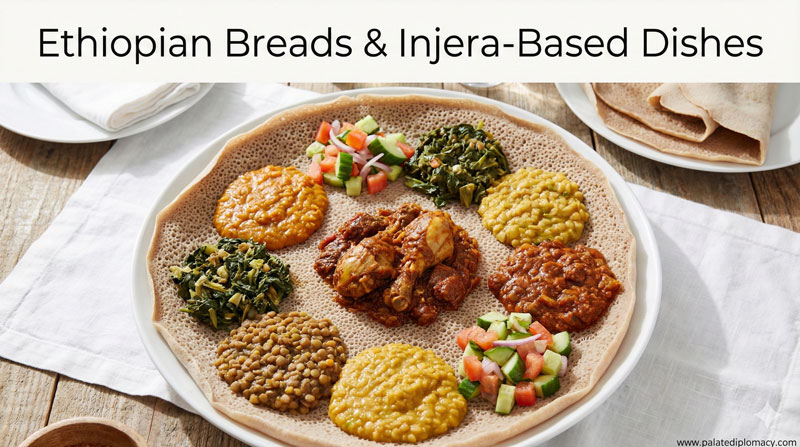
Fit-Fit is a dish built on injera, the soft sour flatbread that forms the base of many meals. It starts with injera torn into bite-sized pieces. The pieces are tossed with spice and sometimes a generous kiss of niter kibbeh, a spiced clarified butter. Berbere, garlic, and onions often ride along, carrying aroma and heat. The result is a dish with soft, chewy morsels coated in glossy, fragrant sauce. Each bite carries a note of comfort and a hint of the day’s leftovers, turned into something celebratory.
The Making: Techniques and Care
Cooks use simple, thoughtful steps. First, heat the spiced butter until it hums with aroma. Next, add onions and garlic to release sweetness. Then, fold in berbere and other seasonings to wake the pan. Finally, toss in torn injera pieces and stir until the pieces soak up the spice and take on a gentle sheen. The goal is even coating and a balance between tender and slightly crisp edges. The process values patience and attention, turning humble scraps into a dish that feels special.
Cultural Value: Hospitality and Shared Food
Fit-Fit shines in social settings. It is common, welcoming, and easy to share. When people gather, the dish invites conversation as much as it invites taste. The act of serving and sharing injera pieces builds a sense of togetherness. In many households, the dish becomes a symbol of hospitality: a warm bowl, ready for guests, and a moment to connect over flavor. The care put into making fit-fit reflects respect for guests and for the daily joy of eating well.
Culinary Significance: Texture, Flavor, and Versatility
The texture of fit-fit is its signature. The torn injera soaks up spice and butter, creating a harmony of soft grains with a glossy glaze. The dish carries heat without overpowering, allowing the aroma of berbere and niter kibbeh to lead. Its versatility is a key strength. It can accompany stews, be served with a fresh salad, or stand alone as a hearty meal. Cooks adapt fit-fit to different wots, adding seasonal vegetables or lean meats to broaden the flavors while keeping the core technique intact. The dish therefore plays a central role in everyday meals and festive plates alike.
Regional Voices: Variations Across the Table
Across regions, families tailor fit-fit to their pantry and tastes. Some versions emphasize stronger spice, while others lean toward a gentler balance. The use of leftover sauces is common, turning what remains into something new. This adaptability keeps the dish rooted in home kitchens while inviting curious diners to discover its many faces. Each variation preserves a shared method and a sense of place, offering both continuity and welcome novelty.
Fit-Fit in Modern Ethiopian Cuisine
Today, fit-fit appears in markets, cafes, and modern restaurants alongside other timeless Ethiopian dishes. Chefs honor tradition while showcasing creativity. Some plated varieties emphasize the glossy butter sheen, others highlight a bold spice kiss. Yet the heart remains the same: a dish born from practical cooking, turned into a beloved staple by its warmth and depth. The dishes stay approachable, inviting both longtime fans and new eaters to slow down, savor, and connect through food.
Conclusion: A Window into Ethiopian Food Culture
Fit-Fit embodies the beauty of Ethiopian food culture: resourcefulness, warmth, and shared joy. It celebrates the everyday act of cooking with care and turning simple ingredients into something memorable. The dish invites everyone to appreciate texture, aroma, and the pleasure of gathering. By blending tradition with a touch of invention, fit-fit remains a bright thread in the fabric of Ethiopian Cuisine. It is more than a meal; it is a celebration of hospitality, community, and the timeless joy of good food.