
Introduction
Fried plantains are a beloved staple in Caribbean kitchens. They arrive at the table with a warm aroma, inviting everyone to share. This dish embodies a spirit of everyday hospitality, where simple ingredients become a joyful centerpiece. In this post, we explore how fried plantains reveal cultural values and culinary techniques that shape Caribbean Food Culture. The focus is on flavor, preparation, and the social joy of eating together.
The Plantain as a Hallmark Ingredient
Plantains anchor many meals across the Caribbean. They come in two common paths: green and ripe. Green plantains are starchy and hearty; ripe plantains are sweeter and softer when fried. Chefs and home cooks choose based on the desired texture and balance with other dishes. Plantains thrive in warm climates, are affordable, and store well, making them a reliable pantry staple. This reliability supports families and communities by offering a dependable source of flavor and energy.
Cooking Methods and Flavor Profiles
Cooks typically begin by peeling and slicing plantains into even pieces. A simple pan fry in oil yields a golden crust and tender interior. Some prefer a crisper bite by extending the fry or using a hotter pan. For variety, many kitchens use two-stage frying: a gentle first fry to soften, followed by a hotter second fry for crunch. Seasonal spices, salt, lime juice, or a light sprinkle of paprika can enhance the natural sweetness or starch, depending on the plantain’s ripeness. Whether served as soft rounds or crisp batons, fried plantains deliver a satisfying contrast between outer crust and inner texture, a hallmark of Caribbean bite and balance. The result remains approachable for Beginners and inspiring for seasoned cooks alike.
Regional Variations in the Caribbean
Across islands, fried plantains appear in numerous forms and pairings. In some places, sweet maduros (ripe plantains) offer comfort with breakfast eggs or the white rice common to many meals. In other areas, green plantains are sliced and fried to a crisp, then enjoyed with savory stews or beans. The versatility shows in plating: a warm side on a plate beside rice and beans, or a central feature in a larger meal. Each island brings its own touch—different spice echoes, salt levels, or citrus accents—while the core idea remains the same: plantains that honor the moment with flavor and texture.
Social and Everyday Significance
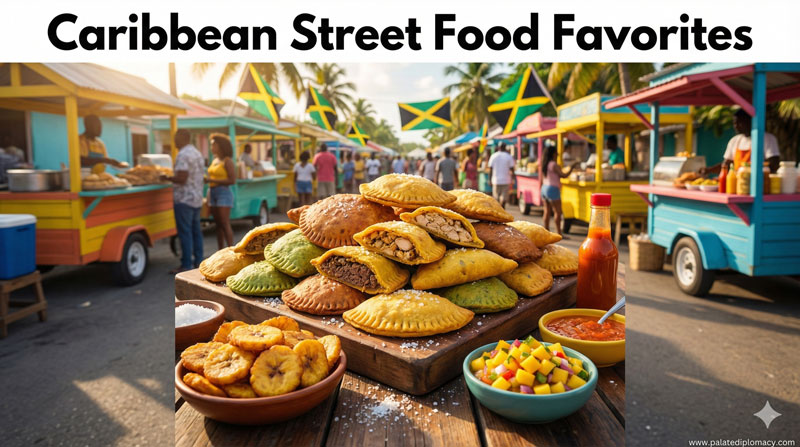
Fried plantains often appear at everyday breakfasts, weekend gatherings, and street-side stalls. They invite slow, shared moments: a family conversation while a pan sizzles, neighbors admiring a quick, satisfying snack, friends gathering around a plate after work. The dish naturally pairs with staples like black beans, rice, eggs, or a fresh salad, creating balanced meals that celebrate abundance. The act of frying plantains can become a small ritual—shared tips, preferred sizes, and family-tested timing—that passes from one cook to another with ease and warmth.
Presentation and Texture
The most inviting fried plantains show a caramel-colored exterior with a soft, yielding center. The edges are crisp, the center tender, and the aroma lingers as a promise of comfort. Some enjoy a simple finish with a light squeeze of lime; others prefer a dusting of sea salt or a dash of pepper for contrast. Whether served in a neat stack, fanned on a plate, or laid out in a casual platter, presentation echoes the region’s balance between simplicity and delight.
Nutritional and Practical Significance
Plantains deliver energy and essential nutrients, offering a satisfying option that complements many dishes. They provide dietary fiber and minerals while remaining budget-friendly. Their versatility makes them practical for busy households and vibrant for festive meals alike. The ability to pair fried plantains with a wide array of flavors—savory, tangy, or mild—adds to their practical appeal and enduring popularity.
Conclusion
Fried plantains reflect Caribbean food culture through their simplicity, adaptability, and social joy. They demonstrate how a humble ingredient can unite flavors, textures, and moments of sharing. From the sizzling pan to the smiling faces around the table, fried plantains celebrate hospitality, balance, and everyday elegance. They are more than a dish; they are a warm thread in the tapestry of Caribbean cuisine.