
Introduction
How Fusion Injera Dishes Became Popular in Ethiopian Cuisine shows how a timeless staple can meet creative ideas. This post highlights the cultural value and culinary significance of fusion styles that honor tradition while inviting new flavors. The journey is about shared meals, careful technique, and the beauty of balance on the plate. Readers will discover how injera acts as both food and ceremony, and how inventive pairings enrich everyday dining.
Injera as a Cultural Canvas
Injera is more than a bread. It is a plate, a utensil, and a symbol of hospitality. The batter’s sour aroma invites conversation and closeness. When chefs experiment, they do so with respect for texture and temper of the dough. The result is a dish that carries memory and meaning while welcoming fresh ideas. In this sense, fusion injera dishes become a celebration of culture through food, not a departure from it.
Techniques Behind Fusion
Fusion injera blends tradition with curiosity. Chefs often begin with the familiar: a soft, spongy base that can hold sauces and morsels. Then they layer new elements—roasted vegetables, herbs, or regional ingredients from other kitchens—without losing the injera’s signature tang. The technique stays precise: even fermentation, even heat, even slicing. The goal is harmony, so every bite feels connected to Ethiopian culinary roots and to the new flavors at the table.
Flavor Profiles and Balance
A successful fusion injera plate balances sour, savory, and bright notes. The tang of the injera complements rich fillings, while spices add warmth without overpowering the dough’s character. Chefs experiment with textures—creamy sauces, crisp vegetables, tender legumes—to create a multi-sensory experience. The best dishes invite a moment of pause, then a second bite, as the flavors reveal new layers with each tasting.
Social Value and Shared Experience
Food in Ethiopian culture often centers on communal eating. Fusion injera strengthens that shared experience. A table becomes a stage for conversation, collaboration, and mutual appreciation. When guests see familiar elements presented with new accents, they feel both comforted and inspired. The social value lies in inviting everyone to explore flavors together, while honoring the care that goes into every plate.
Notable Directions in Fusion Injera
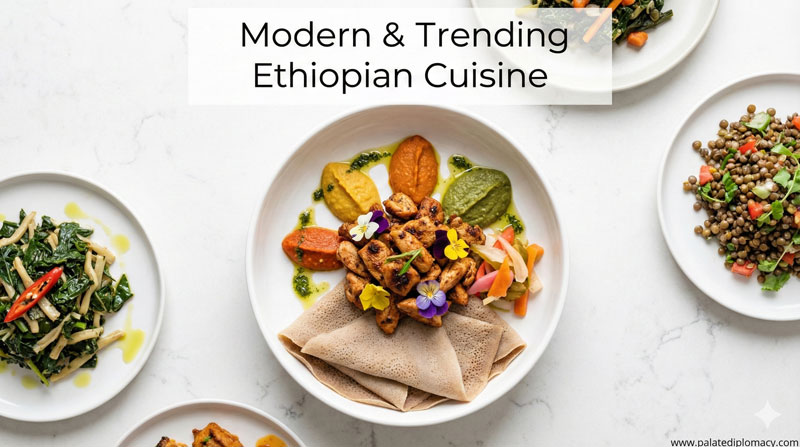
- Injera topped with vibrant lentils, roasted vegetables, and fresh herbs, creating a colorful, inviting bowl.
- Injera used as a wrap for wholesome fillings, such as spiced legumes and greens, making a portable and satisfying meal.
- injera bases paired with cheeses, citrus zest, and olive oil for a bright, modern twist that still respects tradition.
- Injera paired with mushrooms, sesame, and a touch of chili for a savory, earthy harmony.
These directions illustrate how chefs and home cooks adapt, while keeping injera’s heritage at the center.
The Craft in Homes and Eateries
In homes, families bring generations of technique to the table. The fermentation rhythm, the timing of cooking, and the care in rolling the batter matter as much as the toppings. In eateries, chefs experiment with seasonal produce and local ingredients, all while preserving the spirit of the meal. Both settings value simplicity, patience, and respect for the grain that makes injera unique.
Cultural Exchange through Flavor
Fusion injera dishes arise from curiosity and collaboration at the table. Cooks learn from neighbors, friends, and mentors, expanding their repertoires while staying rooted in Ethiopian foodways. The result is a living menu of textures and tastes that travels through the day—from breakfast-inspired toppings to dinner-friendly combinations. The essence is to share, learn, and savor together.
Conclusion
Fusion injera dishes celebrate the beauty of Ethiopian Cuisine as it grows with care and imagination. They honor the tradition of injera—its texture, aroma, and role in gathering—while inviting new ideas that enrich the dining experience. This approach to food emphasizes craft, community, and the joy of discovery at every meal.