
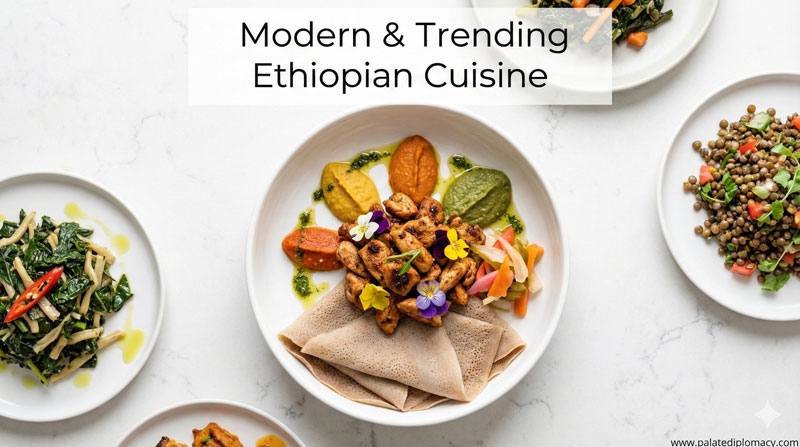
Embracing Injera: The Heart of Ethiopian Dining
Injera sits at the center of Ethiopian meals. It is a soft, spongy flatbread that carries the day’s flavors. People break pieces of injera and use them to scoop stews, vegetables, and sauces. This shared approach creates a warm, inviting atmosphere. When fusion ideas enter injera dishes, they add new color without losing the meal’s gentle rhythm. The result is a culinary expression that respects tradition while inviting fresh flavors to the table.
What Fusion Means for Injera Dishes
Fusion in injera dishes means weaving in ingredients, textures, and techniques from other kitchens while keeping injera as the signature vessel. It is about balance. It honors the sour, earthy notes of teff and the soft bite of the flatbread. It welcomes herbs, fruits, legumes, and spices from different culinary worlds. The goal is harmony, not replacement. When done well, fusion injera dishes feel natural and celebratory, Like a bridge between familiar comfort and adventurous taste.
Techniques Behind Fusion Injera Dishes
Chefs approach fusion with intention. They plan how a new ingredient will interact with the tang of injera and the warmth of Ethiopian spices. Many dishes start with a traditional base—stews, chickpea bowls, or vegetable medleys—and then layer in a complementary element. Textures are considered carefully: the pliable injera contrasts with crisp toppings or velvety sauces. Techniques such as light roasting, fresh herb finishing, and careful balancing of acidity help the dish shine. The result is a plate that is lively yet grounded in the bread that anchors the meal.
Flavor Profiles and Common Pairings
Fusion injera dishes often delight with a bright, multi-layered profile. The tang of injera pairs nicely with creamy or zesty toppings. Common pairings include earthy legumes, roasted vegetables, and citrusy or herb-forward sauces. Spices like mild chili, cumin, coriander, or paprika can lift flavors without overpowering the bread’s personality. Fresh herbs—cilantro, parsley, mint—add lift and fragrance. Nuts and seeds provide texture, while a touch of fruit can add sparkling sweetness. Each combination respects the sour-sweet balance that makes injera distinctive, while inviting new notes to join the chorus.
Cultural Significance: Respectful Innovation
Fusion injera dishes carry cultural value that goes beyond taste. They celebrate hospitality, shared meals, and the joy of gathering. The injera rite—placing a communal platter in the center, tearing off a piece, and passing it around—remains intact even as new flavors appear. In this way, fusion becomes a celebration of ongoing culinary conversation. It honors the care that goes into fermenting teff, preparing vegetables, and layering spices. The result is a sense of continuity, where present-day plates echo ancestral warmth and curiosity.
From Concept to Plate: How They Gained Popularity
The appeal of fusion injera dishes grows as cooks and diners discover something familiar and new at once. In kitchens and cafés, chefs experiment with balance and presentation. Menus showcase injera wrapped toppings, layered bowls, and platter-style arrangements that invite sharing. Social routines adapt too: visitors discover how they can explore different flavor families without leaving the table’s comfort. The engaging presentation—colorful toppings, aromatic herbs, and the soft, inviting texture of injera—draws people in. The more people taste, the more the idea spreads, and the more robust the tradition becomes.
Practical Tips for Home C kitchens
- Start with the base: Make a reliable injera batter using teff or a blend of teff and wheat. A good rise and the characteristic holes will anchor your dish.
- Think balance: Pair the sour notes of injera with creamy, nutty, or fresh elements to keep the palate lively.
- Build in layers: Add a protein or legume, a vegetable medley, and a bright herb or citrus finish to create a cohesive plate.
- Keep leftovers in mind: The bread can act as a plate, a wrap, and a sauce carrier. Use it creatively for variety.
- Respect time: Allow proper fermentation of the batter and careful resting of toppings to preserve flavor integrity.
The Future of Fusion Injera on the Table
The story of fusion injera dishes is one of ongoing discovery. As chefs and home cooks explore, they refine techniques that elevate both texture and aroma. The bread remains a calming anchor, while the toppings and sauces expand the plate’s personality. This evolution feels natural, respectful, and inviting. It invites more people to explore Ethiopian flavors with curiosity and appreciation, while keeping the meal’s communal spirit intact.
A Tasty, Welcoming Conclusion
Fusion injera dishes offer a beautiful way to celebrate culture and creativity in the kitchen. They honor Ethiopian culinary roots while welcoming thoughtful, flavorful additions from many kitchens. The result is a set of plates that feel both timeless and fresh—an invitation to share, taste, and savor. By blending careful technique with generous hospitality, fusion injera dishes illuminate the deep beauty of Ethiopian food and its enduring ability to adapt with grace and joy.