
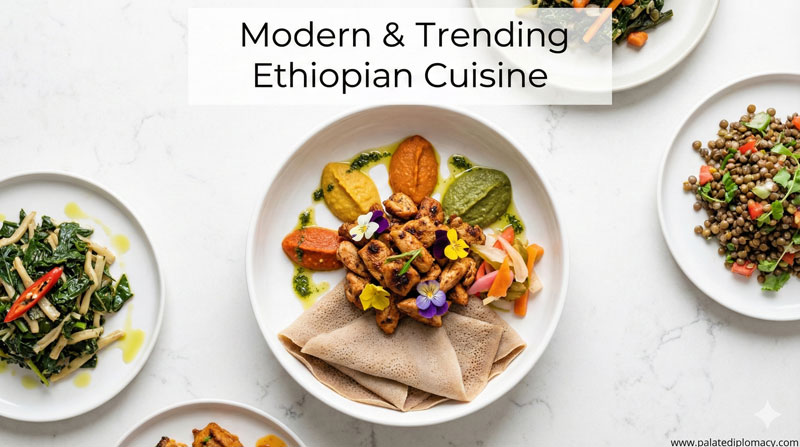
Why Fusion Injera Dishes Is One of Ethiopia’s Most Loved Dishes
Fusion injera dishes have a special place in Ethiopian meals. They blend the familiar sour flatbread with creative fillings and sauces, all while keeping injera at the center. This approach honors tradition and invites new tastes to the same table. The result is a dish that feels both comforting and exciting. In this post, you’ll discover the cultural value and culinary significance that make these dishes so beloved.
The Shape of a Dish That Feels Like Home
Injera forms a soft, spongy canvas that shapes every bite. Its tangy flavor comes from careful fermentation, and its porous surface soaks up sauces beautifully. When a fusion idea meets this base, cooks layer textures and aromas without losing the essence of Ethiopian Food. The bread acts as plate, utensil, and seasoning all at once. That multi-role nature makes the dish feel communal and welcoming.
Techniques That Honor Tradition While Welcoming New Flavors
The craft starts with teff flour, water, and salt. The batter ferments, developing depth and subtle acidity. Then cooks on a hot surface to form a round, even sheet. Fusion fillings build on this foundation by introducing fresh vegetables, legumes, or proteins from other cuisines. Chefs balance heat, sweetness, and tang so every bite respects injera’s character. In this way, technique and imagination walk hand in hand.
Social Warmth: Food as a Shared Experience
Ethiopian meals center on sharing. A large platter of injera invites everyone to tear off a piece and scoop up a portion of stew or relish. This act of gathering around food strengthens hospitality and conversation. Fusion ideas enhance that spirit by offering a wider palette of flavors while keeping the table equal for all guests. The result is a dining moment that feels festive, inclusive, and rooted in care.
Creative Pairings and Culinary Significance
Fusion injera dishes shine when they pair Ethiopian textures with global ingredients. Think savory lentils brightened with citrus, or grilled vegetables layered with aromatic herbs. Proteins such as fish or tofu can join a berbere-spiced sauce for a balanced punch. Yet the dish never overshadows injera’s sour note and absorbent surface. The culinary significance lies in blending two traditions into one harmonious plate, showing how flavors can travel while staying true to a shared technique.
Embracing Fusion in Everyday Cooking
These dishes invite home cooks to explore with curiosity and restraint. Start with a simple injera base, then add a couple of harmonious fillings. Focus on balance, letting the bread carry the sauce rather than competing with it. By honoring the base technique, you preserve a sense of place while enjoying new taste adventures. The result is delicious, respectful, and deeply satisfying.
If you’re curious to experience this blend in your own kitchen, gather fresh injera, prepare a few complementary fillings, and savor how the textures and tang connect. Fusion injera dishes offer a welcoming doorway into Ethiopian culinary culture, celebrating both the land’s tradition and the creativity of the table.