
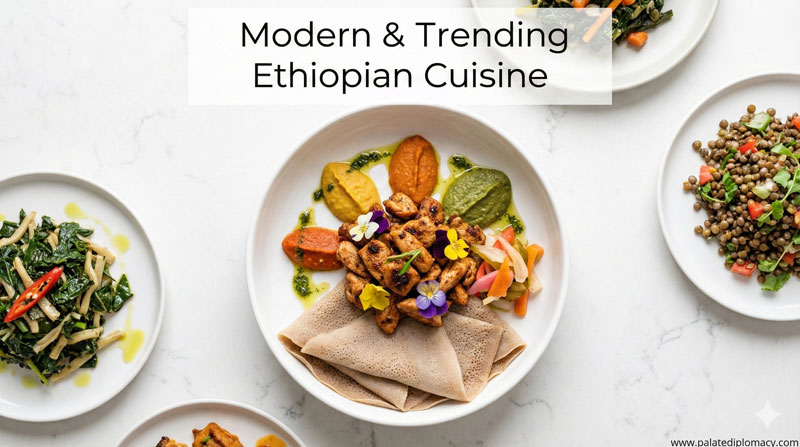
A Complete Guide to Enjoying Fusion Injera Dishes Like a Local
Fusion injera dishes invite us to taste more than food; they invite us to savor connection. This guide celebrates the cultural value and culinary significance of injera when it meets flavors from around the world. We will explore how the plate becomes a shared ritual, how textures speak, and how hospitality shines in every bite. The goal is to help you appreciate the craft, the aroma, and the joy of gathering around a single, versatile flatbread that invites creativity without losing its roots.
The Foundation: Injera and Its Cultural Role
Injera is more than a base. It is a canvas for season and seasonality. Traditionally made from teff flour, water, and a gentle fermentation, it develops a subtle tang and light, porous texture. A seasoned mitad—a flat, round griddle—creates its signature blistered surface. As bakers work, the aroma signals welcome and care. In many communities, the platter is shared, and everyone tears off a piece of injera to scoop stews, vegetables, or tender proteins. This act of tearing, dipping, and passing fosters conversation, gratitude, and togetherness. Fusion dishes honor this spirit by letting the injera carry new flavors while remaining the Heart of the table.
Fusion as a Culinary Conversation
Fusion injera dishes blend familiar Ethiopian techniques with ingredients and ideas from other kitchens. The result is a dialogue on a single plate: spices meet herbs, tang meets creaminess, and textures mingle. On one platter, you might find a rich lentil stew alongside a bright, crunchy topping from another tradition. The injera absorbs sauces, sops up oils, and balances heat with its gentle sourness. This approach honors craftsmanship in both the traditional and the innovative, showing that flavor evolves when cultures listen to one another without losing identity.
Flavor Chemistry: Balancing Sour, Spicy, and Fresh
The beauty of fusion injera lies in balance. The tang of fermented teff provides a soft counterpoint to bold spices and rich toppings. Spices such as berbere or mitmita add warmth, while fresh herbs, citrus zest, or pickled vegetables brighten the plate. Texture plays a starring role: a fluffy, airy injera contrasts with hearty stews, crisp toppings, and silky sauces. When chefs design fusion plates, they seek harmony—so no single element overpowers another. The best bites reveal a careful choreography of acidity, heat, salt, and aroma.
Texture, Technique, and the Craft of the Plate
Behind every bite is a craft that honors patience and precision. Fermentation time shapes aroma; griddling on a hot mitad creates the characteristic lattice of tiny bubbles. In fusion preparations, cooks layer techniques—grilling, roasting, or fermenting ingredients from different kitchens—while keeping injera at the center. The result is a plate where soft and chewy meet crisp and bright, where traditional sourness meets modern sweetness, and where regional staples mingle with global pantry staples. This artistry celebrates both technique and imagination.
Etiquette and Experience: How to Enjoy Like a Local
To experience fusion injera as locals do, start with generosity and shared plates. Tear a piece of injera to form a natural scoop, then roll or fold it to lift a bite. Use your hands with care, letting the bread carry the flavors rather than overpower them. Savor aromas before tasting, and approach each bite with curiosity. If a dish offers a variety of components, take small portions first to understand how flavors interact. Finally, acknowledge the cook’s effort with a warm compliment; hospitality often shines brightest when food is shared with gratitude.
A Celebration of Craft and Community
Fusion injera dishes celebrate more than taste; they honor farmers, bakers, cooks, and families who keep a kitchen alive with creativity. The teff grown for injera connects land to table, while the fermentation ritual links generations. Cooks weave stories through spice blends, textures, and seasonal ingredients, inviting everyone to explore. In this light, a plate of fusion injera becomes a doorway to culture, teaching patience, curiosity, and appreciation for the beauty that emerges when tradition meets invention. Enjoy the dish with respect, and you’ll taste the culture that nourishes it.