
Introduction
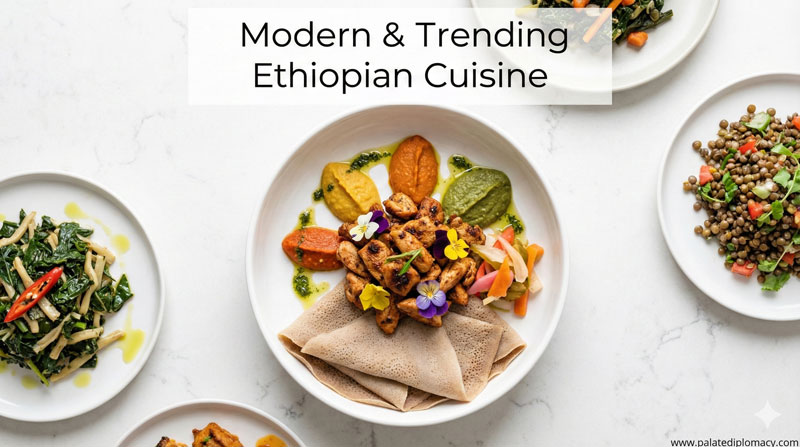
Why Fusion Injera Dishes Is One of Ethiopia’s Most Loved Dishes opens a doorway into a vibrant corner of Ethiopian dining. This dish idea centers on injera as a canvas that carries bold flavors from many kitchens. Yet its heart remains distinctly Ethiopian. The beauty lies in how the plate invites conversation, sharing, and delight. In this post, you’ll discover the cultural value and culinary significance that make fusion injera dishes stand out in Ethiopia’s rich food culture.
The Injera Core: Texture, Fermentation, and Purpose
Injera is the soft, spongy bread that arrives at the table first. It is made from teff or a blend of grains, fermented to a gentle tang. This tang is not just a flavor; it is a signal of care and patience. The texture is airy and elastic, perfect for scooping stews and sauces. Served on a large, round flatbread, it sets the rhythm of a meal. In fusion dishes, injera acts as a welcoming stage for many cuisines to meet and mingle. The bread’s subtle sour note balances spicy sauces and bright herbs. It invites diners to slow down, taste, and connect.
Fusion as a Flavor Bridge
Fusion injera dishes blend Ethiopian technique with flavors from other culinary traditions. The result is a harmonious dialogue rather than a clash. Fresh vegetables, aromatic spices, and familiar proteins find new life when wrapped in injera. Chefs emphasize balance: a rich sauce rests on the soft surface of injera; contrasting textures appear in bites that surprise with every fold. This approach honors Ethiopian sensibilities while celebrating curiosity. The outcome is dishes that feel both rooted and adventurous, inviting everyone to savor the moment.
Techniques that Honor Tradition While Embracing Innovation
Creativity meets craft in fusion injera dishes. The base dough remains faithful to its fermentation heritage, preserving depth and complexity. Chefs experiment with toppings and sauces, offering options that complement or elevate the injera’s gentle tang. The cooking method—often a hot, flat surface that crisps edges just enough—keeps the bread light and resilient. Sauce composition matters too: simmered tomatoes, lentils, legumes, or even seasonal greens provide color and aroma. Together, these elements create a cohesive plate where tradition and innovation support one another rather than compete.
Social and Cultural Value: Food as Hospitality
Food in Ethiopia is a warm invitation. A meal shared on injera signals generosity and community. Fusion dishes carried on injera amplify this social ritual. Guests gather around a common platter, tearing pieces of bread with hands, and dipping into bowls of flavor. The act of sharing reinforces bonds, fosters conversation, and creates memories. In this way, fusion injera dishes are more than meals; they are ritual moments that celebrate togetherness and the everyday joy of eating well.
Regional Roots and Everyday Joy
Ethiopia’s culinary landscape is diverse, and fusion injera enhances that diversity. From markets to homes, cooks blend herbs, grains, and textures while keeping injera at the center. The result is dishes that feel familiar, yet new with every bite. The practice reflects a culture of openness to good ideas and a respect for the skill involved in turning simple ingredients into something soulful. In short, the style honors place, craft, and daily delight.
How to Experience Fusion Injera Dishes
- Begin with the texture: notice how the injera carries sauces without becoming soggy.
- Listen to the balance: sour, spicy, and herbal notes should feel complementary.
- Observe the color and aroma: vibrant toppings and simmered sauces invite a deeper tasting.
- Pair thoughtfully: a cool yogurt or herb garnish can brighten the plate, while a robust lentil or meat dish adds warmth.
- Savor the sharing: allow the communal style to guide how you approach each bite.
The Beauty and Place in Food Culture
Fusion injera dishes embody a respectful blend of flavors and techniques. They celebrate local grains, traditional fermentation, and the art of pairing with imagination. The result is food that feels both ancient and alive, anchored in Ethiopian culinary values while inviting new sensory experiences. The dishes invite curiosity, nurture hospitality, and honor the craft of cooks who blend tradition with invention.
Conclusion
Why Fusion Injera Dishes Is One of Ethiopia’s Most Loved Dishes invites readers to see more than a plate. It reveals a culture where bread, sauce, and shared effort come together to create warmth and welcome. The fusion approach respects the core of injera while inviting fresh expressions. In this light, the dish stands as a bright example of culinary value: a testament to technique, hospitality, and the enduring beauty of Ethiopian Food culture.