
Why Gravlax Is One of the Most Loved Nordic Dishes
Gravlax has earned a cherished place in Nordic kitchens. It embodies a blend of careful technique, seasonal ingredients, and a spirit of sharing. This dish invites people to slow down, to savor texture and aroma, and to celebrate the moments that bring friends and family together. In this post, we explore gravlax’s cultural value and culinary significance, with warmth and clarity.
What Gravlax Is and Why It Feels Special
Gravlax is salmon that has been cured with salt, sugar, and fresh dill. The cure draws out moisture, concentrates flavor, and preserves the fish in a way that feels both simple and refined. The result is a delicate slice with a silky texture and a bright aroma of dill. The method is approachable, yet it rewards careful handling and patience. In Nordic dining, gravlax marks both everyday meals and festive occasions. Its appeal lies in balance: light yet expressive, familiar yet pleasantly nuanced.
The Craft Behind the Dish
The essence of gravlax rests in a quiet, disciplined process. Fresh salmon is laid with a generous bed of salt, sugar, and dill. The fish rests in a cool space, often wrapped and weighted, for a set period. During this time, the cure shapes texture and depth. After curing, the fish is rinsed, dried, and sliced thin. The technique rewards precision and restraint. In professional kitchens and home kitchens alike, gravlax showcases how simple ingredients can create something strikingly memorable. The craft is as much about timing and care as it is about flavor.
Cultural Value: Hospitality, Seasons, and Shared Meals
In Nordic culture, gravlax is more than a dish. It is a symbol of hospitality. Hosting friends or family often means presenting gravlax as a centerpiece, plated with care on a wooden board or a crisp-white platter. The act of serving invites conversation, appreciation, and a sense of welcome. The dish appears across seasonal celebrations—winter gatherings, spring markets, and midsummer feasts—where tables reflect the region’s appreciation for fresh ingredients and thoughtful presentation. Gravlax pairs well with the hospitality rituals that define Nordic dining: open doors, generous portions, and time for lingering over food.
The inclusion of dill, a herb beloved in northern gardens, connects gravlax to local growing cycles. Dill’s bright, slightly peppery tone mirrors the crisp air and clear waters of Nordic landscapes. When guests slice the fish together, the moment becomes a small ceremony of sharing. In this light, gravlax contributes to a sense of place and belonging. It is a dish that invites participation, conversation, and memory-building around the table.
Regional Flavors and Culinary Significance
Across the Nordic region, gravlax appears with subtle regional twists. Sweden often highlights dill and a crisp presentation, sometimes pairing gravlax with a tangy mustard-dill sauce. Norway emphasizes a clean, fresh finish that echoes the country’s maritime traditions. Denmark may present gravlax with lighter seasoning and crisp accompaniments that highlight bread and butter. Despite these variations, the core act remains the same: a patient cure that preserves the salmon’s brightness while shaping its texture.
This shared method across countries highlights a culinary philosophy: let the fish speak, then refine with balance. Gravlax serves as a bridge between kitchen skill and seasonal ingredients. It demonstrates how tradition adapts while preserving a core technique that cooks return to again and again. The result is a dish that feels both timeless and timely.
Pairings, Presentation, and the Nordic Table
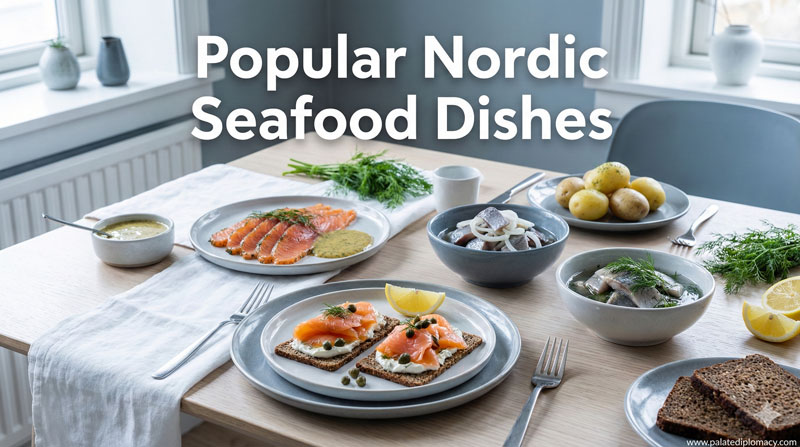
Gravlax shines in simple, thoughtful pairings. Slices rest on rye bread or dark crispbread, with a gentle smear of butter or a light cream cheese. A side of fresh cucumber, lemon wedges, and a leaf of dill enhances the dish without overpowering it. A small bowl of mustard-dill sauce, known in some places as hovmästarsås, adds a tangy dimension that brightens the palate. Beverages such as a light lager, a chilled white wine, or a crisp mineral water suit gravlax well, offering refreshment that accentuates the fish’s delicate flavors.
The presentation matters as well. Clean cuts, even slices, and a neat platter allow the salmon’s color and texture to speak for themselves. When gravlax is plated with care, it invites guests to appreciate the artistry of Norwegian, Swedish, and Danish culinary traditions in a single bite.
A Modern Lens: Adaptations and Accessibility
Today, gravlax welcomes thoughtful reinterpretations. Cooks experiment with citrus notes, peppercorns, or juniper for subtle changes in aroma. Some kitchens maintain a classic approach, while others introduce light sauces or inventive garnishes. Regardless of variation, gravlax remains accessible. This accessibility is part of its cultural value: a dish that teaches technique, invites creativity, and remains within reach for home cooks and professional chefs alike.
At its core, gravlax invites conversation about ingredients, technique, and shared meals. It shows how Nordic cuisine honors seasonal fish, fresh herbs, and patient preparation. It also demonstrates how a simple method can yield a dish with lasting appeal across generations and settings.
The Home Kitchen: Making Gravlax Part of Everyday Life
In homes across the Nordic region, gravlax often becomes a small weekend ritual. Families and friends gather to prepare the cure, check the progress, and plan the serving. This routine builds a sense of continuity and care. The act of curing and slicing becomes a gentle practice that can be learned, repeated, and shared with guests who may be new to the dish. The home kitchen becomes a place where tradition meets everyday life, making gravlax a living part of Food Culture rather than a fixed recipe.
Sustainability, Sourcing, and Respect for the Sea
Culinary significance rises when gravlax is paired with mindful sourcing. Fresh salmon from responsibly managed fisheries supports a healthy ecosystem and a resilient food culture. Choosing salmon from trusted sources and using seasonal, local herbs reinforces the Nordic ethos of quality and restraint. In this light, gravlax is not only a delicious dish but also a small, daily commitment to sustainable practices within the kitchen.
Closing Thoughts: The Enduring Allure of Gravlax
Gravlax remains one of the most loved Nordic dishes because it blends simplicity with elegance, patience with precision, and local ingredients with thoughtful presentation. It invites people to slow down, savor texture and aroma, and share a moment around the table. The dish reflects the Nordic values of hospitality, seasonal living, and culinary craft. Whether enjoyed at a festive table or as a quiet meal at Home, gravlax carries a continuity that resonates with cooks and diners alike.
If you are curious to explore gravlax further, start with a respectful, patient approach. Choose fresh salmon, balance salt and sweetness, and let the dill perfume the cure. Then present the slices with care, and savor how a humble method can become a beloved practice. In this way, gravlax continues to be a cherished link between sea, season, and the shared joy of eating together.