
Introduction
Gravlax, a jewel of Nordic cuisine, invites us to pause and savor how a simple preparation can carry deep cultural meaning. This dish blends patience, seasonal ingredients, and a tradition of shared meals. Its bright aroma, silky texture, and clean balance of salt, sweetness, and Dill signal both technique and care. In Nordic kitchens, gravlax sits at the crossroads of everyday eating and festive gatherings, a testament to how technique becomes a language for hospitality and memory.
The Story Behind the Name and the Method
The term gravlax points to a traditional method. The fish is cured with salt and sugar in a bed of dill, and, in older practice, it was buried to rest in the cool ground or a prepared cave-like space. Today we often replicate that rhythm with a simple wrap, a weight to press the fish, and a quiet wait as flavors mingle. The result is a salmon that holds its shape, glows pale pink, and releases a fragrant breeze of dill when sliced thin. The method embodies a philosophy: let natural ingredients lead, and allow time to draw out flavor. This approach resonates through Nordic cooking, where balance, clarity, and restraint often elevate a dish.
The Craft of Curing: Ingredients, Ratios, and Technique
The heart of gravlax lies in the clean pairing of salmon, salt, sugar, and dill. Cooks use a measured balance of salt to sugar to draw moisture and set the texture, then fold in fresh dill to perfume the fish. Some cooks add pepper, lemon zest, or a touch of rye mash for regional character. The curing step is a quiet conversation between fish and seasonings. A gentle coating, a cool resting place, and periodic turning help the cure develop evenly. The result is a slice that feels almost velvety on the tongue, with salt brightness and herbal brightness that never overwhelms the fish’s sweetness. In a sense, gravlax teaches us how restraint can reveal the fish’s own character while still feeling festive enough for sharing.
Serving Rituals: From Open Sandwiches to Celebrations
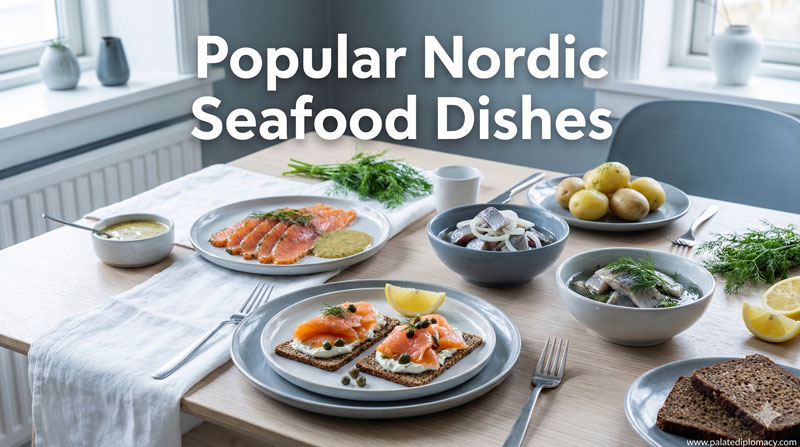
Gravlax shines when presented with simple accompaniments that let its flavors speak. A thin slice rests on dark, grainy bread or soft rye, crowned with a dab of mustard-dill sauce or a light horseradish lift. The sauce is a bright counterpoint: tangy, fresh, and gently piercing, accentuating the fish without stealing its spotlight. In Nordic homes and cafés, gravlax often appears during brunches, family gatherings, and seasonal meals. It pairs with cucumber, fennel, or a crisp pickle, and it invites conversations about regional produce, harvests, and the rhythms of the coast. Each bite feels Like a small celebration of everyday life and the craft that Makes It possible.
Regional Flavors: Variations Across Nordic Coasts
Across Sweden, Norway, Denmark, and Finland, gravlax carries local whispers. Some chefs favor more dill, others balance with citrus or a hint of peppercorn. In coastal towns, the fish’s origin and the freshness of the herbs shape the curing time. In inland kitchens, dill remains the star, with herbs often added fresh at the moment of service. These nuances highlight a shared technique while allowing regional personality to surface. The result is a family of gravlax preparations that are recognizably related yet distinct, much like the landscapes that cradle Nordic cooking — from fjords and archipelagos to forests and fields.
The Cultural Value: Craft, Sharing, and Seasonal Connection
Gravlax embodies cultural values that many food lovers cherish. It celebrates craftsmanship: the careful selection of fish, precise measurements, and patient curing. It honors seasonal cycles, since salmon runs and herb growth guide what can be prepared at different times of year. It also embraces the joy of sharing: a well-prepared plate invites conversation, slows down a meal, and invites everyone to participate in a collective tasting. In this way, gravlax is more than a dish; it is a practice of hospitality, a way to welcome guests, and a reminder that good food can be both simple and meaningful.
Modern Interpretations: A Living Tradition
Today chefs and home cooks expand gravlax with new textures and pairings, always preserving the core idea: the salmon is gently cured, the finish is clean, and the presentation invites admiration. Some chefs experiment with citrus zest, different herbs like dill’s cousins, or a touch of sweetness from honey. Others emphasize the ambient texture by adjusting curing times or the thickness of slices. Yet the essence remains intact: gravlax is a bridge between tradition and contemporary taste, inviting us to savor heritage while exploring personal preferences. This balance keeps the dish accessible to beginners and intriguing to seasoned cooks alike.
A Dish of Place: The Nordic Palette
The appeal of gravlax goes beyond flavor. It reflects a coastal imagination — a way of honoring the sea, the labor of tastemakers, and the simple luxury of a well-prepared bite. When gravlax graces a table, it signals a space where food craftsmanship is valued, ideas about seasonality are shared, and a community comes together to enjoy something that feels both rooted and contemporary. The dish speaks softly of place: cool air, clean waters, herbs grown nearby, and a table that welcomes strangers as friends through the universal language of good eating.
Closing Reflection: Why Gravlax Endures
Gravlax endures because it is approachable yet expressive. The technique teaches patience and precision; the flavors celebrate freshness and balance; the presentation invites delight. Most of all, gravlax invites us to savor the beauty of Nordic culinary artistry in everyday meals while also saving room for special occasions at which the dish can be the center of a shared experience. In every slice, we taste a tradition that has grown with the people who live by the coast and by the seasons, a subtle ode to craft, community, and the quiet joy of a well-made dish.
If you are curious to try gravlax, begin with fresh salmon, a clean curing blend, and a handful of dill. Let the process unfold with patience, then celebrate the moment when a thin, elegant slice meets a toasted slice of rye. In that moment, you taste not only a flavor but a story — one of Nordic gastronomy, care, and the gentle art of preserving the bounty of water and herb.