
How Grilled Lobster Became Popular Across the Caribbean
Across The Caribbean, grilled lobster has grown into a beloved dish that lights up gatherings and meals alike. It embodies a warm hospitality, a respect for the sea, and a craft honed through generations of coastal cooks. The dish is a clear expression of community: shared fires, shared voices, and the shared pleasure of tasting the moment when butter, citrus, and heat meet sweet lobster meat. This post explores the cultural value of grilled lobster and its culinary significance, celebrating the beauty of the dish and its place on the table.
Flavor and Techniques: The Caribbean Palette
Caribbean grilled lobster centers on fresh seafood treated with care and bright, simple seasonings. The lobster’s natural sweetness shines when balanced with butter, citrus, and herbs. A classic approach begins with a light brush of seasoned butter or olive oil, then a quick kiss of heat to seal in juices. Citrus—lime or lemon—lifts the flavor, while garlic, thyme, and a touch of crushed peppers add warmth without overpowering the lobster’s delicate texture. Many cooks favor a short, direct flame to create a smoky edge while keeping the meat tender.
Technique matters as much as ingredients. Direct heat from a charcoal grill brings a lively char and a gentle caramelization. Some kitchens finish the cut side on the hotter part of the grill, letting the flesh soak up a quick glaze of herb butter. Others pair the crust with a light spice rub that echoes regional tastes. No matter the exact method, the goal stays constant: to honor the lobster’s freshness and to marry it to the fire’s inviting energy. Clear transitions—first searing, then gentle basting, then final rest—help every bite feel intentional and balanced.
Regional Voices: On Islands and Coasts
The Caribbean is a mosaic of island cuisines, and grilled lobster reflects that diversity. In some coastal traditions, cooks pair lobster with lime and herb butter, letting bright notes cut through the richness of the meat. Others lean into local spice blends, offering a mild heat that lingers without overpowering the lobster’s sweetness. On certain shores, fans of smoky flavors may add a hint of wood smoke from sweet tropical woods to deepen the aroma. You can often taste regional personality in the accompaniments: a citrusy drizzle from one island; a palm-sugar glaze from another; a crisp herb salad to balance the richness.
Across the region, cooks adapt based on what is fresh and available. The same dish may be plated differently from one kitchen to the next, yet all share a common respect for the lobster and a belief in celebrating its texture. In this way, grilled lobster becomes a unifying thread in Caribbean eating, weaving together local sense of place with a shared love of outdoor cooking and joyful meals.
The Social Table: Celebration and Craft
Grilled lobster is not merely a dish; it is a social event. On beaches and in seaside yards, grills glow as friends and families gather, trading stories between sizzle sounds and the scent of charred citrus. The ritual of preparation—cleaning the lobster, buttering the meat, and keeping a steady flame—becomes a time for conversation and connection. The act of sharing a plate of grilled lobster strengthens bonds and signals hospitality.
Markets and street grills also keep this dish alive. Vendors carve fresh lobster at a lively pace, offering tips on the best way to portion meat and savor its texture. The aroma travels along the breeze, inviting passersby to pause and join the feast. In festivals and family reunions, grilled lobster sits at the center of the table Like a bright, savory beacon—an edible celebration of coastal living and the joy of communal dining.
Cooking Tips for Home Cooks: Grilling Like a Caribbean Pro
- Choose smartly: Look for lobster with firm shells and bright eyes. If buying live, ensure the lobster moves with a confident tail curl. If buying pre-cooked, ensure it is fresh and well stored.
- Prep with purpose: Split the lobster in half lengthwise for direct heat. Brush the meat with a seasoned butter or olive oil, and season lightly with salt, pepper, and a pinch of herbs.
- Heat it right: Preheat the grill to a lively medium-high heat. If using charcoal, let the flames settle into a uniform bed of hot embers for even cooking.
- Start with the shell: Place the lobster cut side down to sear the meat and develop color. This also protects the delicate flesh from overcooking.
- Baste and turn: Baste with herb butter as it cooks. Turn once, giving the meat a second kiss of heat to finish through without drying.
- Time it: Small lobster tails need about 6–8 minutes total; larger tails may require 10–12 minutes. The meat should be opaque and just barely firm to the touch.
- Rest and serve: Let the meat rest for a minute after removing from the grill. This helps juices settle, producing a juicier bite.
- Pair thoughtfully: Serve with lime wedges, extra herb butter, and a light side such as grilled vegetables, corn on the cob, or plantains. A crisp white wine or a cool, citrusy soda can complete the experience.
Aesthetic and Pairings: Presenting the Dish
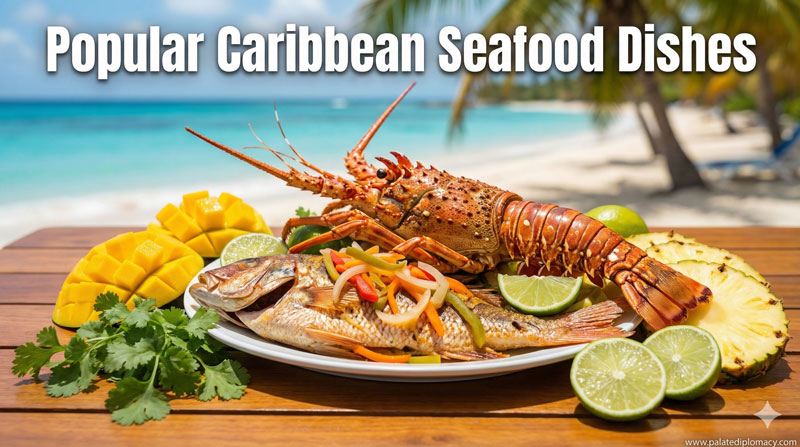
Plating is part of the pleasure. A bright platter with halved lobster, a few lemon or lime wedges, and sprigs of fresh herbs creates an inviting visual. The lobster’s crimson shell against white flesh is a feast for the eyes, especially when the butter is melted into the meat as a glossy finish. Fresh greens or a simple tomato-onion salad can add color and crunch, while a side of roasted corn or sweet plantains offers contrast in texture. In serving, consider the aroma of citrus and butter as a guiding note—the first sense to be stirred is smell, followed by the sight and then the taste.
Sustainability and Sourcing: Respect for the Ocean
Choosing lobster from responsible sources enhances every bite. Look for suppliers that provide traceability and respect sustainable practices. When possible, purchase from local fishmongers or trusted fishers who follow seasonal patterns and responsible harvesting. Cooking becomes more meaningful when the journey from sea to plate is clear and thoughtful. Supporting sustainable choices helps preserve the beauty of the coast and the livelihoods of those who bring this dish to life.
Conclusion: The Culture of Grilled Lobster in the Caribbean
Grilled lobster holds a special place in Caribbean culinary culture. It brings together the sea, fire, and a shared table in a way that feels both celebratory and intimate. The dish invites cooks to honor freshness, to balance bold flavors with delicate texture, and to nurture the social moments that surround a meal. Through regional variations and personal touches, grilled lobster becomes a canvas for memory, hospitality, and artistic cooking. In every bite, there is a sense of place—the sun on the horizon, the breeze from the sea, and the joy of gathering to enjoy something that tastes both luxurious and deeply comforting. This is the beauty of grilled lobster in the Caribbean: a dish that is at once simple and splendid, a beloved staple that travels from grill to table with warmth and grace.