
What Makes Kulcha So Special in Pakistan
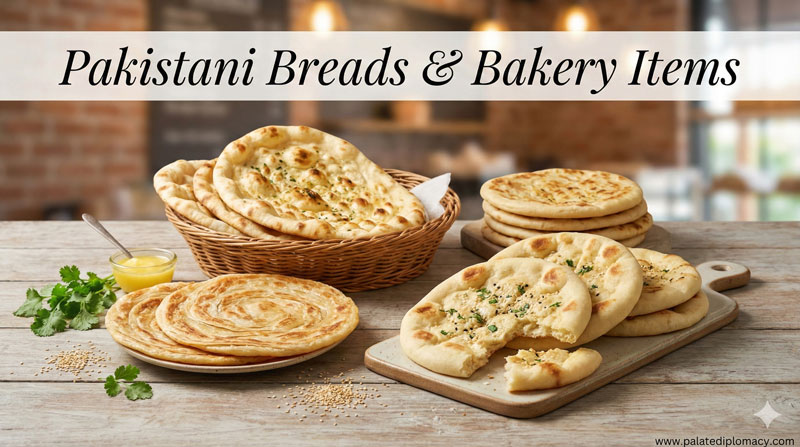
Kulcha Shines in Pakistani dining rooms and on bustling street corners. This leavened flatbread captivates with a soft, fluffy center and crisp, lightly charred edges. Its aroma draws people closer, inviting conversations over a shared plate. In Pakistan, kulcha often accompanies hearty curries, fresh chutneys, and a cup of hot chai. The dish feels both everyday and festive, a testament to the beauty of simple ingredients transformed by skill.
The Craft Behind Kulcha
Chefs begin with a smooth dough made from plain flour, yogurt, salt, and a touch of sugar. The mixture rests, which helps the dough relax and rise. The dough is divided, rolled into round puffs, and flattened just before baking. A clay tandoor heats the bread to a high, steady flame. The kulcha clings to the wall of the oven, developing a blistered crust and a soft interior. In homes, a hot skillet can mimic the tandoor, yielding a close texture and a quick kitchen version.
Regional Voices: Variations Across Pakistan
From city to city, kulcha wears a slightly different face. In Lahore, cooks favor a thick, airy crumb brushed with butter. In Karachi, sesame seeds crown the top for a nutty aroma. In Multan and surrounding towns, potato or paneer fillings add hearty surprises. Each version honors local produce, climate, and family traditions, making kulcha a living map of flavor across Pakistan.
Classic Pairings: Kulcha and Chole
Few pairings are more comforting than kulcha with chole. The chickpea curry offers warmth, spice, and tang, while the kulcha soaks up the sauce. A squeeze of lemon, fresh onions, and a green chutney complete the plate. The duo tells a story of balance: soft bread, bold curry, bright accompaniments.
Kulcha at Home: Everyday Joys
Warm kulcha brightens any meal. Families often share plates, passing bread around the table. At breakfast, a hot kulcha with yogurt and chutney can start the day with calm energy. to Make a quick home version, roll a dough ball, cook on a hot skillet, and finish with a dab of butter. Keep the bread soft with a clean cloth as it cools.
The Senses: Texture, Aroma, and Taste
Texture delights first: a crisp rim with a tender center. Aroma follows: yeasty, smoky, toasty. Taste combines mild sweetness and a touch of tang from yogurt, with a savory depth from ghee or oil. Each bite speaks of craft and care.
Kulcha in Social Gatherings and Food Traditions
Kulcha plays a gentle yet meaningful role in meals shared with friends and neighbors. Vendors, family kitchens, and gatherings celebrate the bread as a symbol of hospitality. The process of shaping, baking, and serving becomes a small ritual, inviting people to slow down, talk, and savor together.
Tips to Enjoy Kulcha at Home
- Buy fresh kulcha when possible.
- Reheat gently in a dry skillet or oven to restore crackling edges.
- Brush with a little butter or ghee before serving.
- Pair with chole, yogurt, or tangy chutney.
- Store leftovers in a cloth bag to keep the crust crisp while the interior stays moist.
Conclusion
Kulcha is more than bread. It is a doorway to Pakistan’s kitchen culture, a connector of flavors, and a friend at every table. Its soft heart and smoky edge remind us how simple techniques celebrate everyday life, turning a humble slice into a shared experience rich with memory and aroma.