
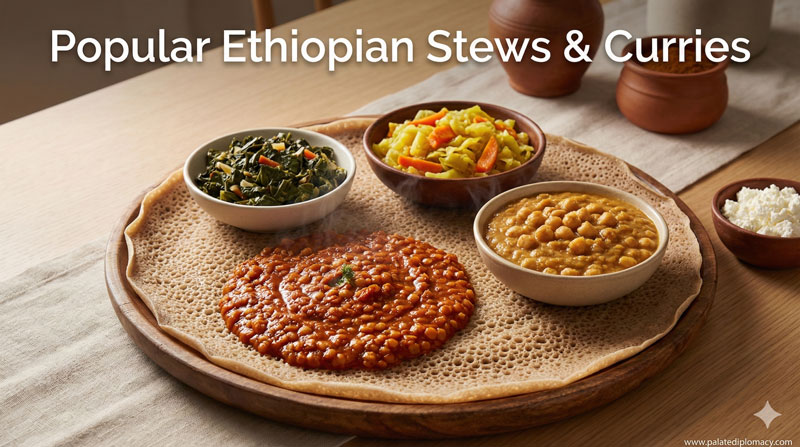
What Alicha Wat Is
Alicha Wat Is a mild Ethiopian stew that shines through calm, balanced flavors. It centers on onions cooked slowly until they melt into a sweet, syrupy base. Turmeric adds a warm, golden hue, while ginger and garlic offer bright, fragrant notes. Cumin, coriander, and sometimes cardamom join to create a gentle spice profile—distinctive, yet not overpowering. Many cooks finish the dish with a drizzle of oil or with niter kibbeh, a spiced clarified butter, which adds depth and a subtle aroma. Alicha wat is almost always paired with injera, the sour teff flatbread that serves as plate and utensil. The result is a comforting, approachable stew that invites share and exploration.
The Color and Aroma that Define the Table
Alicha wat creates an inviting sight and scent that many people associate with Ethiopian meals. The turmeric gives a soft yellow glow, echoing sunshine on the table. The long sautéed onions release a sweetness that fills the room with warmth. Aromatic spices float through the air, announcing a dish built on patience and refinement. This combination—visible color, inviting aroma, and a gentle spice chorus—sets the tone for a meal rooted in mindfulness and pleasure. It is a dish that welcomes all at the start of the dining experience.
Hospitality on a Plate
Food in Ethiopia is a welcoming gesture, and Alicha wat embodies that spirit. Guests are invited to share injera topped with sauce, each person tearing a piece of flatbread to scoop the stew. The act of sharing reinforces a sense of community, care, and togetherness. The meal becomes a time to slow down, to appreciate the harmony of simple ingredients, and to converse while savoring familiar flavors. In this way, Alicha wat is more than sustenance; it is a moment of hospitality that echoes through generations.
Techniques that Elevate Simple Ingredients
The beauty of Alicha wat lies in technique as much as in ingredients. The onions are cooked slowly to develop a deep, natural sweetness without bitterness. Spices are added to bloom gently, releasing their full aroma without overwhelming the palate. Turmeric provides color and warmth, while garlic and ginger contribute clarity and brightness. Olive oil or a small amount of ghee binds the flavors, helping each component to balance with the next. The result is a dish that feels simple, yet thoughtfully crafted—proof that patience and technique can elevate everyday ingredients.
Regional Touches and Seasonal Care
While the core concept remains consistent, regional kitchens offer subtle variations. Some cooks include a hint of fenugreek, coriander, or cardamom for an extra spice lift. Others emphasize the oil or butter, which shifts the dish toward a richer aroma. Vegetables such as carrots or potatoes appear in some versions, adding gentle sweetness and heartiness. These tweaks reflect local tastes and seasonal availability, while preserving the essence of a milder, tomato-free, onion-forward stew. The flexibility here highlights how a single dish can adapt while staying true to its cultural roots.
Pairings, Serving Traditions, and Table Etiquette
Alicha wat pairs beautifully with injera and a simple lentil or chickpea side, but its charm also stands on its own. The bread-based serving invites diners to scoop, roll, and savor each bite with a shared rhythm. The meal often follows a pattern of course-like courses in a single spread, encouraging a relaxed pace and mindful tasting. The emphasis on balance—between sweetness from caramelized onions, warmth from spices, and the tang of injera—echoes Ethiopian culinary aesthetics. This harmony invites conversations about flavors, textures, and the freshness of ingredients.
Alicha Wat as a Reflection of Ethiopian Food Culture
Alicha wat offers a clear window into Ethiopian culinary culture. It embodies balance: gentle heat, sweet onions, and aromatic spices combined with the bright tang of injera. It celebrates technique learned over generations, where long sautéing, careful spice blooming, and respectful seasoning create a dish that feels both comforting and refined. It also highlights hospitality as a core value—sharing food as a daily ritual, inviting neighbors and loved ones to share in a single, unifying meal. In this way, Alicha wat becomes more than a recipe; it is a cultural expression of warmth, community, and a deep appreciation for the beauty of simple ingredients skillfully prepared.