
How Callaloo Became Popular Across the Caribbean
Callaloo is bright, comforting, and deeply regional. It speaks to the heart of Caribbean cooking with its greens, creaminess, and gentle spice. This dish travels through kitchens and markets with ease, inviting friends and families to share a warm bowl. Its popularity comes from versatility, accessibility, and a sense of home in every bite. In this post, we explore the cultural value and culinary significance that helped callaloo become a beloved staple across The Caribbean.
What is Callaloo? Core Ingredients and Texture
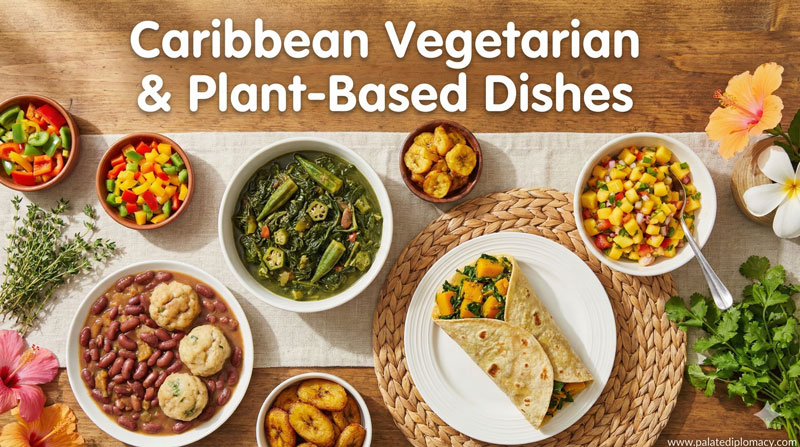
Callaloo centers on leafy greens. Common greens include dasheen leaves, spinach, or amaranth greens. The greens are simmered slowly until tender, then blended or left chunky for texture. Coconut milk adds a silky richness, while onions, scallions, thyme, and hot peppers lift the flavor with bright notes. Okra sometimes joins the mix for body and a touch of slipperiness. Salt, pepper, and lime juice sharpen the finish. In many places, chefs add a splash of stock or water to reach the desired consistency. The result is a nourishing, green-hued dish that feels both fresh and comforting.
Regional Flavors You’ll Find
Across the Caribbean, callaloo wears regional costumes. In Jamaica, callaloo often graces homes and street stalls with greens paired with saltfish or smoked meat, creating a hearty breakfast or lunch option. In Trinidad and Tobago, the dish can appear as a rich, green stew or soup with coconut milk and sometimes crab, reflecting local seafood preferences. Barbados, Antigua, and St. Lucia offer their own twists, using different greens and spice balances while keeping the signature creamy base. Despite these differences, the core idea remains the same: a vibrant, green pot that offers warmth, nourishment, and unmistakable aroma.
Cooking Techniques That Make It Shine
First, wash and chop the greens to remove any grit. Next, soften aromatics—onions, scallions, and thyme—in a little oil. Then add the greens and enough liquid to cover. Simmer gently until the leaves are tender and the flavors meld. For extra creaminess, blend a portion of the greens with coconut milk and stir back into the pot. Finally, season with hot pepper, salt, and a squeeze of lime. In some kitchens, a touch of saltfish, crab, or smoked meat is folded in after the greens soften. The technique rewards patience: slow cooking unlocks the greens’ natural sweetness and creates a comforting, velvety texture.
Cultural Value: Family, Markets, and Everyday Moments
Callaloo shines most in shared moments. Families gather around the stove, savoring the aroma as the pot simmers. Market stalls that stock fresh greens and coconut milk contribute to its reach, turning fresh ingredients into a meal that feels local and alive. Callaloo is versatile for many occasions: a simple weeknight supper, a weekend gathering, or a festive plate shared at a community event. Its gentle spice invites conversation and keeps guests coming back for second bowls. In every kitchen, callaloo becomes a memory in the making—a dish that ties together generations through flavor and warmth.
How the Dish Gained Popularity Across the Caribbean
The appeal grew as cooks shared tips and adapted the recipe to local tastes. Home kitchens handed down small tweaks—a pinch more thyme here, a splash of coconut milk there—and these refinements traveled through family networks and friendly exchanges. Restaurants and hotels added their own flair, introducing callaloo to travelers and locals alike. Markets and street vendors showcased the greens, spices, and coconut products that make the dish possible. As more people tasted it, callaloo earned a place on menus and in cookbooks, becoming a familiar, welcoming choice across many islands. The result is a unifying dish that remains rooted in simple ingredients and patient technique, yet flexible enough to reflect regional style.
Pairings and Serving Ideas
Callaloo pairs beautifully with rice and peas, white rice, or boiled dumplings. It also works well with fried plantains or cassava bread for a heartier plate. A squeeze of lime brightens the flavors, while a side of pickled vegetables adds a crisp counterpoint. For a lighter option, serve callaloo as a side to grilled fish or roasted vegetables. In any pairing, the creamy greens complement sturdy starches and fresh seafood, creating balanced meals that are easy to prepare and delightfully satisfying.
Embracing Callaloo Today
Today, callaloo invites cooks and eaters to savor fresh greens, creamy textures, and gentle heat. The dish remains a celebration of garden-to-table cooking: simple ingredients prepared with care become something special. Whether at Home, in a casual eatery, or at a neighborhood festival, callaloo offers warmth, color, and nourishment. Its enduring appeal lies in its versatility, accessibility, and the sense of belonging it brings to the table. Try a pot of callaloo soon, and discover how this humble greens dish can brighten a meal and connect you to Caribbean Food Culture.