
“How Caribbean Fusion Bowls Reflects Caribbean Food Culture”
Introduction
Caribbean Fusion Bowls offer more than a meal. They echo the region’s love of bright produce, bold seasonings, and shared tables. This dish blends ingredients you can find at coastal markets with flavors that travel across island kitchens. Each bowl becomes a small celebration of place, season, and craft. The experience is inviting, concrete, and deeply flavorful.
What the Dish Is
Caribbean Fusion Bowls center on a sturdy base—rice, quinoa, or plantain slices—that supports vibrant toppings. Expect grilled or roasted proteins, such as jerk-seasoned chicken or tropical tofu, paired with beans or lentils for heartiness. Fresh vegetables, fruit accents, and herbs provide balance. A kiss of coconut, lime, or pepper adds brightness. The result is a harmonious mix of textures: crisp vegetables, creamy avocado, and tender grains. This structure makes the dish approachable for home cooks and striking in a casual setting.
Flavor Story
First, you notice a lively sweetness from ripe mango or pineapple. Next comes a tangy note from lime or lime-based dressings. Then smoky undertones emerge from grilled meat or charred vegetables. Finally, a warm, savory counterpoint appears from herbs, spices, and legumes. These elements blend into a cohesive profile: sweet, bright, smoky, and fresh in one bowl. The flavors celebrate the region’s love of contrasts—soft fruit against crisp greens, bright acidity against mellow grains—without overpowering the senses.
Techniques and Craft
The beauty of the bowls lies in thoughtful technique. Marinate proteins to build depth without heaviness. Grill or roast vegetables to develop caramel sweetness. Toast grains lightly to bring out nutty flavors. Build contrasts with crunchy toppings like cabbage slaw or roasted corn. Finish with a fresh herb chiffonade or a squeeze of citrus to wake the palate. Clear steps and steady timing let the team-like rhythm of a kitchen shine through in every bowl.
Color, Texture, and Presentation
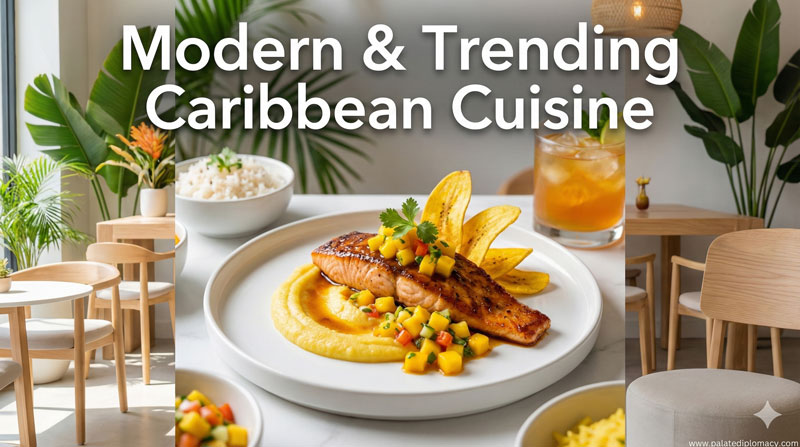
Color matters as much as flavor. A bowl should show a spectrum: emerald greens, sunny yellows, ruby reds, and creamy whites. Textures matter too: a mix of tender protein, crisp vegetables, creamy avocado, and grain or base with a gentle bite. Presentation invites leisurely eating, with ingredients arranged to reveal each element. The visual appeal heightens anticipation and makes the dish feel festive and welcoming.
Regional Influences
Caribbean Fusion Bowls draw on ingredients that are widely loved across the region. Think plantains, coconut, fresh cilantro, black beans, and citrus. Fresh salsas or pico de gallo-style toppings add brightness. Spice blends may include allspice, cinnamon, or hot peppers, reflecting the diversity of island flavors. The result is a fusion of classic staples with modern twists, producing bowls that feel both familiar and new.
Pairings and Serving Ideas
Serve bowls with a light pickle, a tangy yogurt drizzle, or a citrusy vinaigrette. Add a side of fried plantains or portable flatbread to extend the meal. For A Complete experience, offer a colorful drink such as coconut water with a splash of lime. Pairings should enhance the bowl’s brightness while keeping the focus on the balance of flavors.
Quick Make at Home
- Start with a sturdy base: rice or quinoa.
- Add a protein you enjoy, seasoned well.
- Load in two to three fresh vegetables.
- Finish with fruit, a bright dressing, and herbs.
- Keep portions balanced so no single element overpowers another.
Final Thoughts
Caribbean Fusion Bowls reveal a vibrant food culture rooted in generosity, seasonal produce, and thoughtful technique. They honor both tradition and invention by inviting cooks to combine familiar ingredients in fresh ways. The dish stands as a bridge between everyday meals and celebratory dining, inviting everyone to savor the beauty of Caribbean flavors in a single, satisfying bowl.