
Introduction
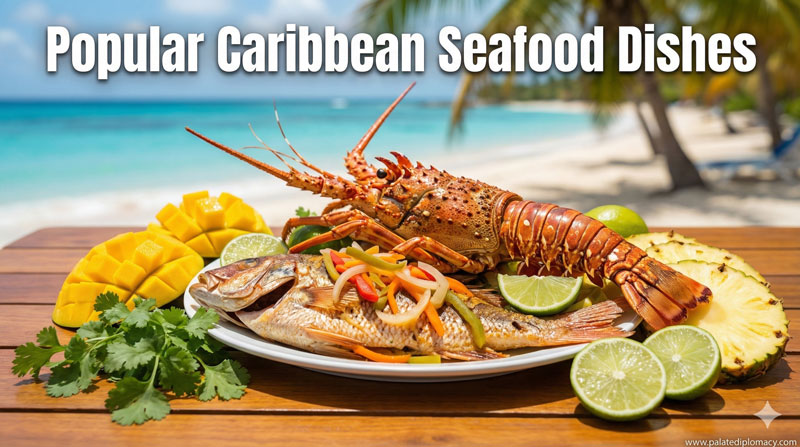
How grilled lobster became popular across the Caribbean is a story of bright flavors, outdoor kitchens, and shared tables. The dish sits at the heart of seaside gatherings, where cooks balance sweetness from the sea with warmth from spices and smoke. It is a celebration of fresh catch, simple technique, and community in every bite. Readers will notice a clear arc: from the shore to the grill, from individual taste to a shared culinary ritual that many island and coastal communities treasure.
The lure of fresh catch and coastal cooking
Caribbean shores offer abundant lobster at certain seasons. Local fishers bring the catch to bustling markets, where fishermen’s hands, seasoned knives, and open grills tell the first part of The Story. Grilled lobster emerges when seafood meets fire in open-air settings, tents, or home patios. The technique highlights the lobster’s natural sweetness, which is amplified by a bright glaze, a herbaceous rub, or a touch of citrus. The result is a dish that feels light yet deeply satisfying, perfect for warm evenings and conversation-friendly meals.
Techniques that define the dish
The essence of grilled lobster lies in balance: tender meat, a kiss of smoke, and enough savor to stand up to accompaniments. Common approaches include:
– Brushing the meat with melted butter or olive oil, then finishing with herbs and citrus.
– Using a light spice rub that respects the lobster’s natural flavor.
– Grilling over moderate heat to avoid overcooking, then resting the meat briefly before serving.
Cookbooks and home cooks alike emphasize steady heat, careful timing, and respectful handling. The method often blends straightforward steps with playful adjustments, inviting cooks to tailor the dish to their own kitchen and mood. This flexibility is part of the cultural value: it allows families and friends to put a personal stamp on a shared favorite.
Regional flavors and variations
Across the Caribbean, grilled lobster takes on local personality without losing its core appeal. In some areas, lime, garlic, and butter form a bright, classic finish. In others, pimento, scotch bonnet, or fresh herbs lift the aroma with a peppery or aromatic note. A few places pair lobster with coconut, ginger, or tropical fruit salsas that echo regional growing seasons. Side dishes reflect the same diversity: coconut rice, plantains fried to a crisp, corn on the cob, or leafy green salads that brighten the plate. Each place adds its own seasoning lore, yet all versions share the same spirit of outdoor cooking and communal savor.
Pairings that heighten the experience
The beauty of grilled lobster lies in its ability to mingle with complementary flavors. Bright citrus and herbal oils brighten the meat, while creamy sides or starchy staples provide balance. Suggested pairings include:
– Lime or orange wedges, with a dab of herb butter.
– Coconut-infused rice or seasoned island rice.
– Grilled corn, plantains, or a light potato dish.
– Fresh mango or papaya salsa for a sweet counterpoint.
These pairings reinforce the sense of place and season, making every plate a reflection of the day’s harvest and the cook’s creativity.
Social and festive contexts
Grilled lobster shines in social settings. Beach gatherings, family cookouts, and waterfront feasts are common stages for this dish. People come together to share stories as the grill sizzles, and the aroma invites others to join the table. In markets and festivals, chefs demonstrate their technique, offering tasting portions so neighbors and visitors experience the dish in bite-sized, memorable moments. The dish thus becomes a cultural touchstone, signaling hospitality, generosity, and a celebration of the sea’s gifts.
Craft, care, and the home kitchen
Home cooks bring a welcoming energy to grilled lobster. Selecting a lobster with a firm shell and bright, clear eyes sets the tone for quality. Proper thawing or using fresh lobster ensures tender meat. The grill’s heat is kept even, and the glaze or butter is applied in stages to prevent burning while layering flavors. Even small touches—garnishes of fresh herbs, a squeeze of lime, or a light dusting of sea salt—enhance the overall impression. The result is a dish that feels refined yet comforting, suitable for everyday meals and special occasions alike.
Sustainability and respect for the sea
The popularity of grilled lobster also invites thoughtful attention to the sea. Responsible sourcing, seasonal awareness, and mindful consumption help preserve lobster populations for future cooks and communities. Simple practices, such as choosing lobster from trusted markets and avoiding waste, keep the experience enjoyable and steady. This approach reinforces the dish’s character as a thoughtful, pleasurable part of Caribbean dining.
The beauty of the dish in culture and cuisine
Grilled lobster embodies a fusion of taste, technique, and togetherness. It captures the Caribbean’s love of outdoor cooking, the joy of sharing a good meal, and the artistry of turning a simple ingredient into a memorable feast. Each bite tells a story of sun, sea, and skilled hands—an invitation to savor not only flavor but the calm rhythm of a community meal.
Practical tips for enjoying this dish
- Look for lobster that feels heavy for its size and has a fresh, oceanic scent.
- Cook with steady heat to keep the meat tender; avoid scorching the shell.
- Use a light glaze or butter, then finish with fresh herbs and citrus for brightness.
- Serve with bright sides and a chilled beverage to balance richness.
Conclusion
Grilled lobster has earned a cherished place across the Caribbean by marrying fresh seafood, precise technique, and a spirit of gathering. Its cultural value lies in the way it brings people together, showcases regional flavors, and honors the sea’s bounty with care and joy. Whether enjoyed in a bustling market, a family backyard, or a seaside festival, the dish remains a bright, welcoming emblem of Caribbean Food Culture.