
Introduction
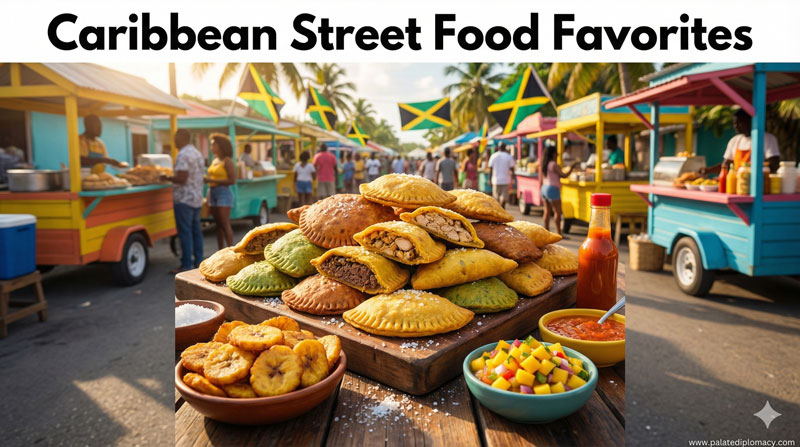
Few bites reveal the heartbeat of Caribbean street food like the Jamaican patty. It travels from busy markets to quiet kitchens, carrying bright spice and comforting warmth. The patty stands out for its flaky crust and bold filling. It is a flexible, friendly snack that fits breakfast, lunch, or a casual gathering. This post looks at its cultural value and culinary significance. It explores how a simple pastry became a beloved symbol across Caribbean kitchens and markets.
The Craft Behind the Crust
The crust is the first note listeners hear. It is delicate, golden, and tender. Bakers mix flour, a pinch of salt, and a little fat—often butter or shortening. Cold water brings it together. A touch of curry powder or turmeric colors the dough and hints at the spice inside. The dough rests, then rolls thin. A circle becomes a pocket, sealed with a gentle crimp. Finally, the patty bakes until the edge is crisp and the surface shines with warmth. This craft invites careful hands and patient timing, producing a crust that invites a second bite.
A Palette of Fillings
The filling is the story within the pastry. Beef is a classic, seasoned with onions, garlic, scallions, and thyme. A kiss of curry, allspice, paprika, and black pepper adds aroma and depth. Chicken patties offer a lighter option with similar spice notes. Vegetables and legumes appear as well, creating vibrant colors and textures. Some kitchens add peppers for heat, others balance heat with herbs and a touch of coconut milk. The result is a flexible canvas that reflects local tastes while preserving a recognizable patty identity.
A Social Food Across Islands
Markets and street stalls bring patties to life. The scent of frying or baking draws neighbors and friends alike. Patties anchor quick meals and social moments. They pair well with hot pepper sauce, chutney, or a tiny dip of sweet-tinish pineapple relish. Paper-wrapped patties carry stories from one buyer to the next. In homes and schools, these pastries become familiar rituals, shared with smiles and conversations about flavor, texture, and the joy of a good bite.
The Patties in Daily Life
Patties fit into busy days with ease. They travel well, resisting spoilage and traveling warmth. They are a practical breakfast, a satisfying lunch, or a handy snack after activity. People pair them with a cool drink or a mug of ginger tea. In families, bakers teach young cooks How to fold, seal, and bake. In markets, sellers refine their crusts and fillings, offering fresh batches throughout the day. The patty’s versatility helps it weave into daily routines with grace.
A Culinary Bridge to the Caribbean
Across Caribbean kitchens, patties share a common charm while inviting local twists. Some islands emphasize extra peppery heat; others highlight milder spice blends. Pastry builders experiment with fillings that honor regional produce, like sweet peppers, garlic chives, or coconut hints. This flexibility fosters a sense of culinary connection—each island adding its voice to a familiar format. The result is a family of patties that feels both distinct and warmly familiar, a portable expression of regional tastes.
Conclusion
The Jamaican patty is more than a snack. It is a celebration of flavor, technique, and shared food culture. Its flaky crust and bold fillings invite curiosity and delight. Across markets and kitchens, the patty travels with people who savor good food and good company. In every bite, it reflects careful craft, regional character, and the simple joy of a well-made pastry. Try one, and you taste a small, satisfying part of The Caribbean’s culinary story.