
Introduction
How Jollof Rice Became Popular in Nigerian Cuisine is a story told in kitchens, markets, and family gatherings across the country. This dish stands out for its bright color, comforting aroma, and versatile flavor. It invites conversation, sharing, and quiet moments of satisfaction. In this post, we explore the cultural value and culinary significance that have helped jollof rice become a beloved staple in Nigerian dining.
What Jollof Rice Is in Nigerian Cuisine
Jollof rice is a one-pot dish built on a flavorful tomato and pepper base. The rice cooks in a simmering sauce that carries onions, spices, and oil. In Nigeria, cooks often use long-grain rice for a distinct texture that holds up to the sauce. The result is a fragrant, glossy dish with a gentle heat and a tomato-rich depth. This balance makes jollof accessible to many palates, from children to seasoned eaters.
The Craft Behind the Flavor
The heart of jollof is technique. Cooks start with a sizzling base of onions and peppers, then add a bright tomato blend. This base is simmered to marry sweetness and acidity before the rice joins the pot. The key steps are steady heat, careful stirring, and patience. When done well, the rice absorbs the sauce evenly, creating a harmonious, well-seasoned dish rather than a separate grain and sauce. The art lies in timing and attention—knowing when to reduce heat, how long to let flavors bloom, and when to finish with a gentle touch of oil to gleam on the surface.
A Cultural Cornerstone of Shared Meals
Food is more than sustenance; it is a language of hospitality. Jollof rice plays a starring role in family meals, weekend feasts, and casual gatherings. It signals welcome and generosity. Guests are invited to portions that reflect care and pride. In homes, the dish becomes a story told through aroma, color, and taste. The act of serving jollof rice—whether alongside fried plantains, meat, fish, or vegetables—creates a moment of togetherness. Shared plates and shared conversations follow, reinforcing bonds and memory.
Regional Nuances, One Shared Love
Across Nigeria, cooks adapt jollof to local tastes and available ingredients. Some prefer a richer oil finish, others favor a lighter, tomato-forward profile. Spices may shift in emphasis from thyme and bay leaf to a touch of curry or a hint of nutmeg. The choice of oil—palm oil in some households or neutral vegetable oil in others—also shapes the aroma and finish. These variations reflect regional preferences while preserving the dish’s core identity: a single-pot celebration of flavor and togetherness.
Techniques That Honor Simplicity and Depth
In Nigerian kitchens, the beauty of jollof lies in simple tools and patient execution. A well-seasoned pot or heavy-bottom pan helps prevent scorching and promotes even cooking. Simmering the sauce to its most fragrant point is as important as seasoning the rice just enough. Salt, a pinch of sugar, and stock or water are added with intention. The result is a dish that feels both comforting and bright, with depth that invites second helpings and thoughtful savoring.
Pairings, Serving, and Presentation
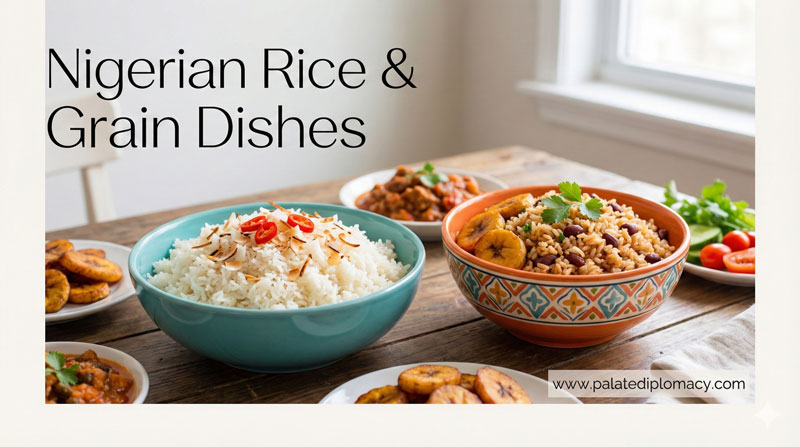
Jollof rice shines when plated with thoughtful accompaniments. Fried plantains add a gentle sweetness, while grilled or fried chicken, fish, or beef brings savor and texture. A simple salad or steamed greens can add balance and freshness. Many cooks finish the dish with a light drizzle of oil or a fresh herb chiffonade to lift the flavors. Plate presentation matters too; a glossy surface, a vibrant red-orange hue, and clear, inviting portions signal care and pride in the kitchen.
The Everyday Magic: From A Quick Weeknight to a Special Occasion
One of jollof rice’s lasting appeals is its versatility. It adapts to busy weekdays and to festive weekends alike. For a quick weeknight meal, a skilled cook might speed up the base and let the rice finish with a fresh handful of herbs. For a special occasion, cooks may slow down the simmer, layer richer flavors, and present the dish with a careful arrangement of sides. In both cases, the dish remains a reliable anchor for nourishment and joy.
The Language of Shared Memory
Jollof rice carries memory in each spoonful. It recalls the scents of a warm kitchen, the clatter of pots, and voices around a table. In many homes, the dish becomes a familiar ritual, marking milestones and simple daily rituals alike. Its appeal lies not only in taste but in the way it fosters conversation, laughter, and a sense of belonging. Through every plate, jollof reinforces the idea that food can be a gracious host, welcoming everyone to the table.
A Welcome Spotlight on Nigerian Culinary Identity
The popularity of jollof rice reflects the ingenuity and warmth of Nigerian cooking. It shows how a single dish can bridge generations—grandparents teaching generations-long methods, and younger cooks introducing contemporary twists while honoring tradition. The dish stands as a testament to culinary creativity, balancing technique with heart, and making a home in kitchens, markets, and eateries across the country.
Conclusion
How Jollof Rice Became Popular in Nigerian Cuisine is a tale of flavor, craft, and community. It celebrates a dish that is as nourishing as it is beautiful, and as versatile as the cooks who bring it to life. In every pot, jollof tells a story of hospitality, pride, and shared joy. It remains a beloved thread in the fabric of Nigerian Food Culture, inviting all who sit at the table to savor the warmth and richness of the meal.