
Introduction
Jollof rice stands as a bright, fragrant centerpiece in Nigerian cuisine. It is more than a meal; it is a gesture of welcome and togetherness. In many Nigerian households, the dish marks gatherings, celebrations, and everyday meals alike. The version that many cooks embrace blends ripe tomatoes, peppers, onions, and aromatic spices into a single, comforting pot. This post explores how Jollof became a cherished presence in Nigerian kitchens and why its flavors invite people to linger at the table.
Core Ingredients and Flavor
The Heart of Jollof is a rich, red sauce. Fresh tomatoes and red peppers create a vivid base, while onions add sweetness and depth. A light touch of garlic and ginger brightens the mix. Oil coats the sauce, carrying every aroma to the palate. Spices such as thyme, bay leaf, and a pinch of curry add warmth without overpowering the stars: the tomato and pepper blend. Parboiled long-grain rice soaks up the sauce, turning each grain glossy and savory. A splash of stock or water helps the rice simmer to tenderness. The result is a balanced, comforting flavor that allows each bite to sing.
The Cooking Process
The craft of Jollof is a dance of timing and balance. Begin by gently frying the blended tomato-pepper mixture in oil until the scent fills the kitchen. Then simmer to reduce and deepen the flavors. Stir in the rice, letting it mingle with the sauce. Add stock, cover, and cook until the grains are plump and soft. A brief rest off the heat lets the rice finish absorbing flavors, yielding a cohesive, slightly smoky finish. Each cook brings a personal touch, yet the core technique remains invitingly simple and repeatable.
Regional Expressions Within Nigeria
Within Nigeria, cooks shape Jollof to suit local tastes and available ingredients. Some prefer a slightly spicier profile with a brighter pepper note, while others favor a deeper, almost toasty finish. Small variations appear in the choice of spice accents and the level of smokiness achieved through cooking methods. Across neighborhoods, families share different twists, and those shared differences enrich the overall tapestry of the dish. The common thread is a one-pot meal that invites attention, conversation, and pride in preparation.
Social and Culinary Significance
Jollof often anchors social moments. In homes, it becomes a focal point during meals that bring relatives and friends together. Preparing a pot is a cooperative act—ahi, a time when hands wash, chop, and stir in unison. The aroma travels through rooms, quieting chatter into smiles as people anticipate the first spoonful. Over time, the recipe is handed down with notes about texture and aroma, turning cooking into a living tradition. The dish embodies care, hospitality, and shared joy, celebrated in everyday dining and special occasions alike.
Serving Traditions and Pairings
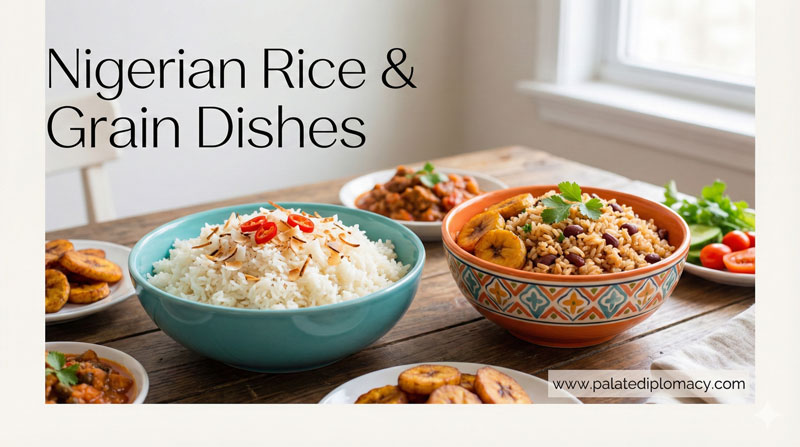
When Jollof is plated, it glows with a warm, inviting color. It pairs beautifully with fried plantains, grilled or fried fish, or a fresh vegetable accompaniment. A simple salad and a light chutney or salsa add brightness to the meal, while sliced fresh herbs garnish the top for a final touch. Some households enjoy a light pepper sauce on the side, inviting each guest to tailor the heat. The presentation matters as much as the taste: the vibrant dish invites conversation and appreciation.
A Modern Everyday Favorite
Today, Jollof remains a reliable favorite in Nigerian kitchens. It appears in family meals, school events, and community gatherings, bringing people together with its comforting aroma and familiar flavors. The dish travels through homes with care, evolving with each cook’s hand while preserving a shared sense of belonging. Its enduring appeal lies in simplicity, warmth, and the freedom to adapt while honoring tradition.
Conclusion
Jollof rice is a beloved pillar of Nigerian Food Culture. Its beauty lies in the balance of bright tomato and pepper, tender rice, and a fragrance that welcomes all to the table. It is a dish that invites care, conversation, and connection, turning a simple supper into a moment of togetherness. In every bite, one tastes the heart of Nigerian hospitality and the joy of cooking shared with family and friends.