
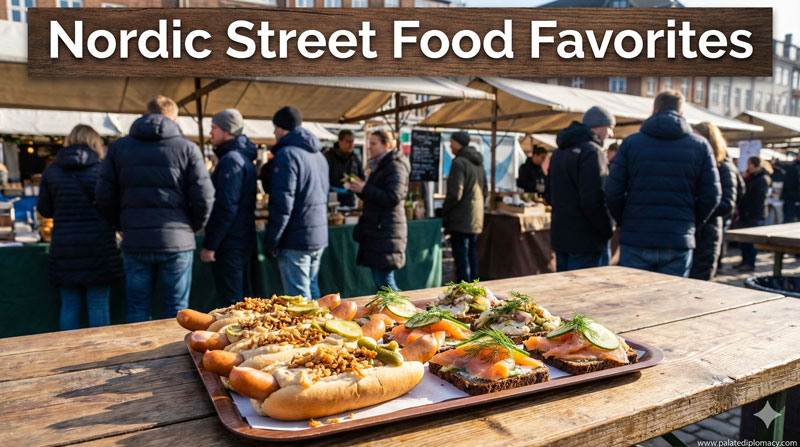
How Nordic Hot Dogs Became Popular in Nordic Cuisine
In Nordic kitchens, a simple hot dog has earned a place of honor. The dish travels from busy street corners to family kitchens with equal ease. It offers warmth, speed, and a sense of shared meals. This post explores how Nordic hot dogs grew into a beloved part of Nordic cuisine, highlighting cultural value and culinary significance.
The Everyday Heart of Nordic Grilling
First, note the everyday joy that hot dogs bring. On sunny days, families head to parks or beaches with a tray of sausages and buns. In markets, cooks sizzle links on grills while neighbors chat and watch. The act of grilling creates a small, social ceremony. People gather, share stories, and savor the scent of sizzling meat. The hot dog becomes a common language, easy to love and easy to share.
Toppings that Tell a Nordic Story
Next, the toppings carry cultural meaning. A bright dollop of remoulade, a sharp smear of mustard, fried onions, raw onions, crisp pickles, and fresh herbs all play a part. The toppings echo local tastes and seasonal produce. Creamy remoulade offers a gentle contrast to a smoky sausage. Mustard adds a clean bite, while onions bring a sharp freshness. Pickles and herbs finish the bite with brightness. The combination creates a bright, balanced flavor profile that many Nordic diners recognize and trust.
Texture, Bread, and the Soul of the Bun
Equally important is the bun. A soft, slightly sweet roll cradles the hot dog. It soaks up a hint of juice without losing its structure. Some regions favor a sturdier roll, others a lighter touch. The bread choice matters because it guides the eating experience. When the bun holds together through the first bite, the dish invites a second and a third, turning a quick meal into a small ritual.
Shared Spaces: Markets, Parks, and Family Kitchens
In Nordic culture, hot dogs often appear in shared spaces. Markets become tasting rooms for different toppings and regional twists. Parks host family picnics where children learn to build their own perfect bite. In homes, families pass down favorite combinations from parent to child. The dish thus travels through daily life, reinforcing values of togetherness and care.
Regional Touches Across Nordic Countries
Across the region, hot dogs reflect local sensibilities while maintaining a common identity. In Denmark, a pølse in a soft bun with remoulade is a familiar sight. In Sweden, you may find a simple, clean arrangement with mustard and onions. In Norway, fried onions and a bright sauce often accompany the sausage. Finland adds its own subtle twists with creamy sauces and crisp pickles. Iceland and other Nordic locales bring their own flavor notes that still honor the familiar structure. The result is a family of dishes that share bones but wear many skins, each telling a regional story.
Craft and Craftsmanship in Everyday Food
Culinary craft matters. Sausages are made with care, respecting local traditions and seasonal ingredients. The heat of the grill is controlled to achieve a crisp exterior and juicy interior. The balance between sausage, bun, and toppings is deliberate. This caring approach elevates a quick meal into a well-composed bite. As a result, the dish teaches appreciation for technique without losing approachability.
Modern Nordic Interpretations
Modern Nordic chefs embrace the hot dog while honoring its roots. They experiment with toppings that highlight local produce, such as fresh vegetables, herbs, and seasonal condiments. Gourmet twists preserve the essence of the dish while inviting new textures and flavors. Yet even in refined venues, the core idea remains simple and accessible. This blend of tradition and innovation keeps the dish lively within Nordic cuisine.
A Cuisine for All Seasons
In all seasons, hot dogs adapt beautifully. In winter, warm sauces and hearty toppings offer comfort on cold days. In spring and summer, lighter toppings and crisp picks echo fresh markets. The dish travels well to festivals, school lunches, and weekend gatherings. Its versatility makes it a reliable thread in the fabric of Nordic eating.
Sustainability and Local Relationships
Sustainability matters to Nordic cooks. Sausage choices often reflect local farming and fishing cycles. Buns and toppings favor local producers. The dish can be prepared with plant-based options as well, aligning with broader values of freshness and responsibility. By supporting nearby artisans, diners contribute to a resilient, place-based Food Culture. The result is a dish that feels rooted in its community.
The Social Value of Sharing a Simple Bite
The hot dog is more than food; it is a social connector. Sharing a savory bite strengthens neighborhood ties. It invites conversations about ingredients, methods, and memories. In this way, the dish acts as a bridge between generations. It helps people slow down and enjoy a moment of communal eating.
An Everyday Icon with Subtle Sophistication
Despite its simplicity, the Nordic hot dog carries a quiet sophistication. The best versions balance meat quality, bun texture, and topping harmony. The dish rewards careful attention and playful experimentation alike. This approachable elegance makes it a recurring feature on menus and at Home meals.
The Cultural Value: A Couching of Identity and Joy
Ultimately, the dish embodies cultural value. It celebrates accessibility, shared pleasure, and regional pride. It demonstrates how a quick, humble meal can become a symbol of hospitality and care. The Nordic hot dog invites everyone to participate in the tradition—whether as a cook, a vendor, a parent, or a diner.
Culinary Significance in Everyday Nordic Life
Culinarily, the hot dog represents efficient, comforting nourishment. It supports busy days with warmth and confidence. It adapts to local flavors, reminding diners that good food can be simple yet meaningful. The dish also honors the Nordic love of balance—between meat and bread, crunch and cream, heat and coolness. This balance resonates with broader Nordic cooking values that prize harmony and clarity of taste.
A Gentle Invitation to Explore
If you are curious, try a Nordic hot dog with a few classic toppings first. Then explore regional favorites and personal twists. Notice how the bite evolves with each topping and how the bun carries the flavors. Observe how the dish remains welcoming, even as your taste grows subtler. This gentle invitation reflects the spirit of Nordic cuisine: curious, warm, and communal.
Closing Thoughts: The Quiet Brilliance of a Simple Dish
In the end, the Nordic hot dog stands as a modest yet brilliant creation. It belongs to markets, parks, kitchens, and festivals. It travels smoothly between everyday meals and small celebrations. Its cultural value lies in its ability to unite people through a shared, satisfying bite. Its culinary significance comes from balance, accessibility, and a lively rhythm of textures and tastes. The dish remains a beloved thread in the tapestry of Nordic cuisine, inviting us to savor tradition while embracing gentle innovation.