
Introduction
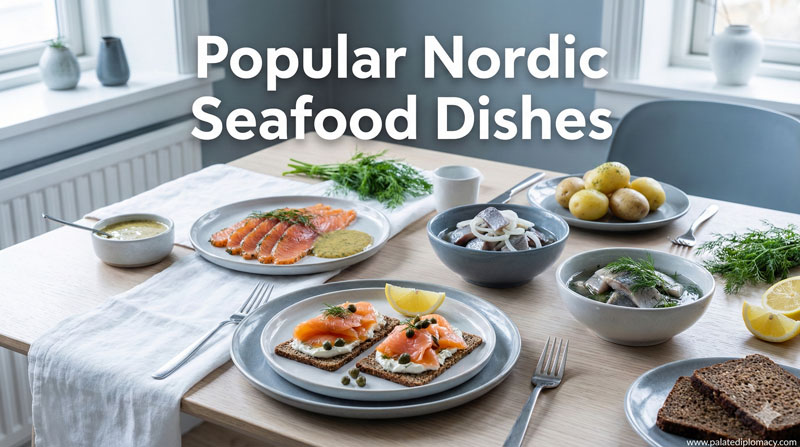
Pickled herring stands at a crossroads of flavor and heritage in Nordic Food Culture. This humble, bright dish invites the palate to explore balance, texture, and tradition. It carries a quiet dignity on the plate, reminding us that simple preservation can become a daily celebration. In every bite, the method, the season, and the shared table reveal why pickled herring remains a cherished staple across Nordic homes.
The core ingredient and its coastal story
Herring is deeply connected to Nordic shores. The fish offers generous oil and a clean, gentle flavor that responds beautifully to vinegar, salt, and a touch of sweetness. Communities across coastlines have learned to work with what the sea provides, turning a plentiful catch into a lasting, flavorful preserve. This practice honors practicality and care, transforming fresh fish into a snack, a centerpiece, or a component of a larger spread. The result is a dish that tastes of place: crisp brine, delicate fish, and a hint of the briny sea air that surrounds Nordic towns.
The craft of pickling: technique as tradition
The pickling process is a concise lesson in culinary technique. Brine, sugar, and vinegar work together to sharpen and soften the fish at once. Time matters, too: the fish gains character as it rests, absorbing the tang of the brine and the sweetness of the sugar. Flavorings are simple but precise—onions, mustard seeds, pepper, dill, bay leaf, and occasionally juniper or allspice—each adding a note without overpowering the fish. The result is a bright, balanced profile that remains versatile enough for many meals. This craft rewards patience and attention, two traits that echo through Nordic kitchens year after year.
Seasonal rhythm and market life
Seasonality shapes the choice to pickle and eat herring. Fresh catches align with fishing cycles and harvest times, while preserving methods extend these flavors beyond a single week. Markets fill with neat stacks of jars, and home cooks plan meals around their availability. The dish becomes a thread that connects farmers, fishers, market vendors, and families. In this way, pickled herring showcases how Nordic food culture respects the cycle of nature, turning abundance into small, shareable moments of nourishment.
The social table: sharing and ceremony
Serving pickled herring often centers around a shared table. It appears on open-faced sandwiches and within larger spreads where friends and family gather. The dish invites conversation about textures and contrasts—tender fish against crisp onions, bright acidity against mellow richness. The act of passing jars, slicing bread, and layering toppings turns a simple meal into a ritual of hospitality. This social quality is a vital part of Nordic cuisine: a dish that encourages togetherness, curiosity, and appreciation for craft.
Regional flavors and variations
Across Nordic nations, pickled herring wears a local personality. In Sweden and Denmark, you may find herring with a touch of dill, onion, and mustard notes that highlight a fresh, clean palate. Norway often emphasizes a sharper tang and lighter sweet-sour balance, brightened by peppercorns or bay. Finland and Iceland bring their own garden-like aromas to the plate, sometimes pairing the fish with herbs chosen for their bright, vibrant notes. These regional nuances demonstrate how a single preparation can adapt to local tastes while maintaining its core identity—togetherness, craft, and a respect for the sea.
Preservation and craft in modern kitchens
Today, many home cooks and chefs approach pickled herring as both a reminder of tradition and an invitation to innovation. The dish travels easily from family kitchen to contemporary restaurant, where it may be presented with modern accompaniments or reimagined sauces. Yet the heart remains the same: a straightforward method that honors the fish, the brine, and the moment when a family gathers to enjoy a well-made jar. The practice of careful preservation teaches patience, balance, and attention to detail—values that shine through in Nordic cooking as a whole.
The modern Nordic table
In the contemporary Nordic kitchen, pickled herring continues to anchor seasonal menus and casual gatherings alike. It pairs well with rye and crisp bread, a dollop of mustard-sour cream sauce, or a simple slice of onion for brightness. The dish fits the modern appetite for sustainability, regional pride, and clear, fresh flavors. Most of all, it remains approachable: a dish that welcomes cooks of all levels to participate in a living tradition.
Conclusion
Pickled herring offers more than a bright, tangy bite. It reflects Nordic food culture’s love of place, season, and shared meals. The craft of pickling teaches precision and care, while its regional variations celebrate local character. This dish invites everyone to slow down, savor the texture and balance, and feel connected to a long, patient culinary tradition. If you seek a window into Nordic cuisine, look to pickled herring as a flavorful, respectful guide to the beauty of simple, well-made food.