
What Rosół Is
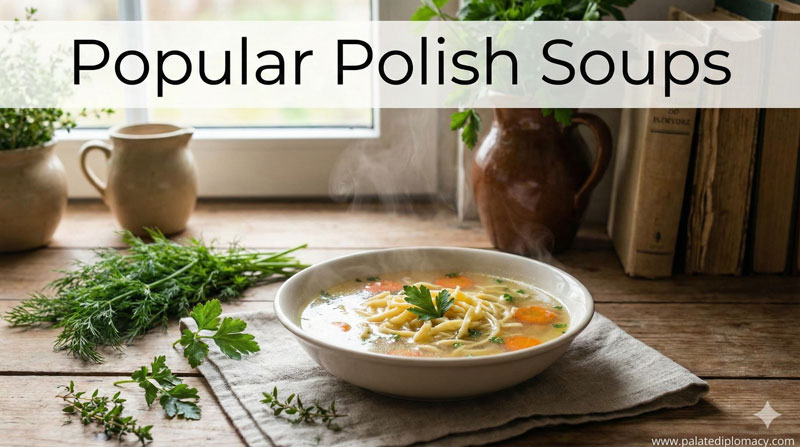
Rosół is a clear, gently simmered chicken broth that glows with a warm, golden hue. in Polish homes, it often opens a meal with quiet dignity and a felt sense of welcome. This dish stands as a bridge between everyday cooking and cherished family moments. It embodies simplicity at its best: honest ingredients, patient technique, and the comfort of sharing a bowl together.
The Craft Behind Rosół
The heart of Rosół lies in careful selection and patient preparation. Choose a plump chicken or a mix of bones and meat to build a rich, yet refined stock. Start with clean water and gently coax flavor from the ingredients. Roast the onion and a few vegetables lightly to deepen aroma, then add them to the pot. As the broth comes to life, skim away foam and scum to keep the liquid clear. Simmer slowly for hours, letting collagen melt into the broth for a smooth, satisfying body. Finally, strain the liquid to reveal a bright, aromatic foundation. This process honors the ingredients and invites patience as a culinary practice.
A Nurturing Family Tradition
Rosół is often tied to Sundays, holidays, and gatherings that bring multiple generations to the table. The pot sits at the center of conversations, seasoning memories with its steady steam. Children learn by watching: how to rinse vegetables, how to skim gently, how a quiet kitchen breathes with care. Adults savor the moment of tasting, adjusting a pinch of salt or pepper, and sharing stories that accompany the simmering clock. In this way Rosół becomes more than nourishment; it becomes a ritual of togetherness, a simple act of hospitality passed from one generation to the next.
Regional Voices and Personal Touches
Polish families bring subtle regional notes to Rosół, and these nuances enrich its cultural meaning. Some households favor a slightly leaner broth with a brighter finish, while others allow a touch more body by including bone-In chicken for depth. Herbs vary as well: parsley root or a sprig of fresh parsley adds brightness, and a whisper of marjoram or dill can appear in certain homes. The noodles, too, vary—thin, delicate egg noodles in some regions, or small dumplings in others—each choice shaping the texture and pace of the tasting. These small differences celebrate local tastes and family lore, while the core idea remains the same: a clear, comforting bowl that invites sharing.
Serving Rosół: A Ceremony of Flavor
When the broth is ready, serving becomes a gentle ceremony. Ladle the hot liquid into warm bowls, inviting steam to rise and perfume the room. Add a nest of fine noodles or gentle dumplings, letting them swim briefly so they become tender without losing their bite. A shower of chopped parsley brightens the surface and ties the dish to fresh, garden-picked greens. A light crack of pepper adds warmth, while a lemon wedge on the side offers a citrus lift for those who wish it. The ritual of tasting—sip, savor, and pass—encourages conversation and appreciation for the care poured into each step.
Seasonal Songs and Modern Twists
Rosół adapts with the seasons and the kitchen. In colder months, its warmth becomes a comforting shield against winter days, and the aroma travels through the house Like a familiar hello. In warmer times, cooks may favor lighter greens and quicker simmering, keeping the dish vibrant and accessible. Modern approaches honor tradition while inviting new textures: homemade noodles woven from flour and eggs, or even gluten-free variations that respect dietary choices. Some cooks experiment with free-range poultry or small additions of regional vegetables, yet the essence remains intact—a clear, fragrant broth that unites people around the table.
Rosół in Polish Food Culture: A Quiet Icon
Throughout Polish food culture, Rosół represents a quiet, enduring tradition of hospitality and care. It speaks to a shared way of feeding friends and family where the quality of the moment matters as much as the quality of the ingredients. This dish teaches attention: the patience to simmer slowly, the skill to keep the broth clear, and the kindness to serve others first. The beauty of Rosół lies in its restraint and its generosity—the simplest notes, arranged with intention, becoming something greater when enjoyed together. In this way, Rosół is not just a recipe; it is a cultural touchstone of warmth, memory, and everyday grandeurs found in a humble kitchen.
If you are exploring Polish culinary traditions with curiosity and respect, Rosół offers a welcoming doorway. It invites you to observe how a family honors time, how aroma can stitch rooms into a shared moment, and how a single bowl can carry the memory of generations. Whether you recreate it exactly as your grandmother did or gently adapt it to your own kitchen, Rosół remains a testament to the beauty of cooking as conversation, care, and community.