
Introduction
In Nigerian kitchens and markets, roasted corn has carved a bright place for itself. It belongs to moments of everyday sharing and to gatherings that celebrate seasonal produce. This post looks at how roasted corn grew in value within Nigerian cuisine. It examines its cultural value, its simple elegance, and its culinary significance. The tale is one of warmth, texture, and the joy of a well-roasted cob passed from hand to hand.
The Scent and Sizzle: A Quick Welcome to the Dish
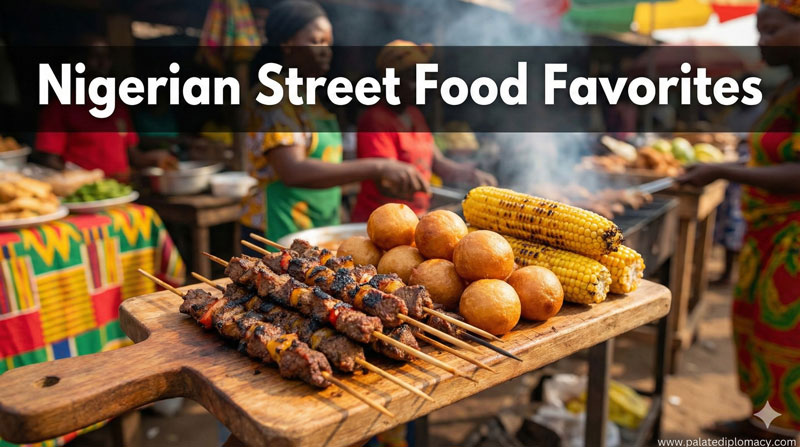
Roasted corn greets you with a lively aroma—the sweetness of the kernels meeting heat, the light smoke lifting into the air. Each bite offers a balance of tenderness and a gentle char. The sound of kernels crackling can feel Like a small welcome home. This sensory presence helps explain why roasted corn holds a steady place in daily meals and on street corners.
Roots in Nigerian Food Culture
Corn has long fed communities across Nigeria, offering nourishment in a versatile form. When corn is roasted, it becomes a convenient, shareable treat that travels well in warm weather and busy evenings. The simple preparation invites people to gather, chat, and enjoy the moment. Over time, roasting transformed from a quick snack into a valued part of family meals, festival menus, and market-day routines. The dish reflects patience, attention to fire, and a respect for seasonal harvests.
Techniques and Traditions
Roasting methods vary, but the core idea stays clear: heat, patience, and a little seasoning. Open flames, charcoal grills, or a home oven can all craft that signature smoky edge. Some cooks leave the husk on to trap steam, then pull it away at the right moment for a crisp finish. Others prefer husked kernels to highlight the pure corn sweetness. Common seasonings are simple: salt, a squeeze of lime or lemon, and a touch of pepper. A dab of butter or a light brush of palm oil can enrich the flavor, creating a glossy, inviting glaze. These small choices shape the dish’s character in every region and home.
Regional Voices: Flavor Notes Across Nigeria
Across regions, roasted corn carries local accents. In coastal and southern areas, peppery blends and tangy citrus notes appear more frequently, echoing fresh produce and favorite condiments. In inland communities, corn often pairs with hearty, smoky elements and sturdy accompaniments. The result is a mosaic of textures and tastes, all centered on the same sweet kernel. This variety highlights how a single dish can adapt to local palettes while remaining distinctly recognizable.
Flavor Pairings and Culinary Significance
Roasted corn shines as a canvas for other flavors. A sprinkle of salt, a light dip of lime, and a touch of heat lift the sweetness without overpowering it. Groundnut, when offered on the side, adds a nutty crunch that complements the cob’s tenderness. In many homes, it is also enjoyed with fresh tomatoes, onions, or a bright pepper sauce. The dish’s culinary significance lies in its ability to harmonize with simple ingredients, elevating them through texture, aroma, and balance.
Social and Everyday Joy
This dish thrives in social spaces. Markets, street corners, and family yards become stages where warmth, pace, and conversation mingle with aroma. Sharing roasted corn invites participation: you pass the cob, you trade tips on roasting time, you celebrate a successful cook. The social ritual is as important as the flavor itself, reinforcing a sense of community and belonging.
Modern Adaptations and Sensible Keepsakes
Today, chefs and home cooks alike explore new forms of roasted corn. It appears in salads for a bright, crunchy contrast. It appears in appetizers where a small corn cob becomes a warm, memorable bite. Yet the core appeal remains: approachable, comforting, and proudly Nigerian. These adaptations honor tradition while inviting curious diners to discover the dish in fresh ways.
Seasonal Awareness and Local Sourcing
Freshness matters. When corn is in season, roasting reaches its peak sweetness. Local kernels often yield The Best texture and natural sugars. Respect for the harvest and for the farmers who grow the corn enriches every bite and every meal shared around the table.
Conclusion: A Gentle Celebration of a Beloved Cadence
Roasted corn stands as a gentle ambassador of Nigerian Food Culture. It embodies simplicity, shared moments, and the craft of cooking with fire. Its cultural value rests in the way it gathers people, respects seasonal produce, and invites both tradition and curiosity into the same warm bite. As a culinary staple, it remains an inviting, respectful reminder of the beauty found in everyday cooking.