
Introduction
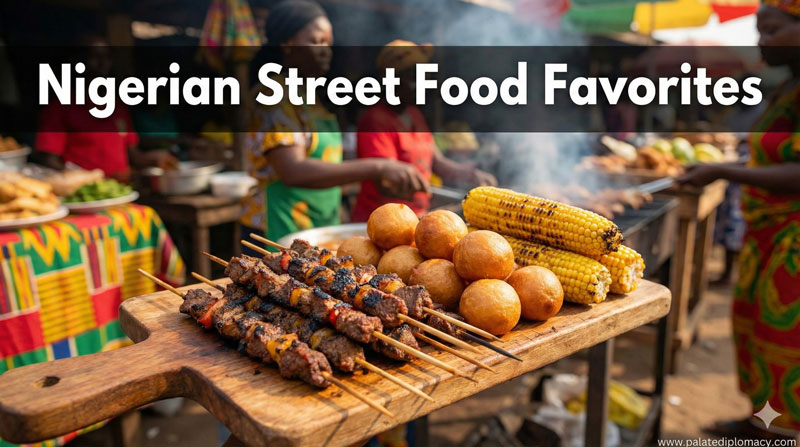
Roasted corn is more than a snack in Nigerian cuisine. It is a fragrant invitation to gather, share, and celebrate simple goodness. The corn turns a warm, honeyed color on the flame, its kernels popping with a gentle crackle as they brown. Each bite blends sweetness with a touch of smoke, a memory of open markets, fresh air, and early morning routines. This dish stands as a bright thread in the tapestry of everyday dining, linking family moments, street life, and festive meals with a quiet, enduring charm.
The Craft: How the Flame Becomes Flavor
The magic begins with a careful choice of maize and a patient roasting method. Open flames or charcoal heat the kernels evenly, and a light turn of the cob keeps every side kissed by heat. The husk may stay for extra protection or come off to reveal the glossy kernels beneath. As heat peaks, the natural sugars caramelize, releasing a sweet aroma that travels with the breeze. A pinch of salt or a squeeze of lime is often added at the table, sharpening the sweetness and sharpening the perception of flavor. Some cooks finish with a light brush of oil, a whisper of pepper, or a dusting of spice, but the core joy remains the same: a simple, honest preparation that respects the corn’s character.
Cultural Value: A Dish of Shared Moments
Roasted corn travels from harvest fields to bustling street corners, carrying with it stories of people meeting and greeting. Vendors greet regular customers with a warm nod, and families pause to savor a cob before continuing their day. It is a common sight at dawn markets and during community events, where the aroma invites curious patrons to pause. Sharing a roasted cob becomes a small ritual—one person bites into the end, and others follow, turning a quick snack into a tiny social event. The dish has a way of turning meals into moments of connection, where flavors echo conversation, laughter, and a sense of belonging.
Regional Flavors and Traditions
Across Nigeria, regional palates color the peppers and finishing touches that dress the corn. In some areas, a light spritz of lime brightens the kernels and highlights their natural sweetness. In others, a hint of chili or pepper sauce brings a lively kick that lingers on the tongue. There are places where vendors offer a dash of groundnut powder or a streak of palm oil to deepen the aroma and add a nutty finish. These small variations honor local tastes while keeping the dish accessible to all. The result is a versatile canvas, inviting cooks to tailor comfort and brightness to their own tables and gatherings.
The Social Fragrance of the Street and Market
The sensory experience of roasted corn is a social signal as well. The sizzling sound, the crisp crackle of the kernels, and the visible glow of orange-red heat announce a moment of delight. It is a familiar scent that signals hospitality: a street corner welcomes passersby, a pocket of shade offers relief from heat, and a quick, satisfying bite refreshes the spirit. In markets, family kitchens, and event spaces, roasted corn helps frame conversations, from casual catch-ups to celebrations. The dish fosters a shared rhythm—eat, smile, hear a story, and continue with renewed energy.
Culinary Significance: Pairings, Uses, and Everyday Value
Roasted corn complements a wide range of Nigerian foods and beverages. It can be a standalone treat or a partner to spicy sauces, fresh fruits, or light soups. Its texture—tender inside with a slight char on the outside—creates a satisfying contrast when enjoyed with crunchy sides or soft stews. The dish is affordable and approachable, making it a staple at family gatherings, street feasts, and casual picnics. Its simplicity allows cooks to celebrate maize, a humble foundation grain, while offering a refined sensory experience through heat, aroma, and balance of flavors. In this way, roasted corn earns a steady place in everyday menus and special occasions alike.
A Bright, Timeless Favorite
Roasted corn is a testament to the beauty of simple, well-executed cooking. It honors the farmers who grow maize and the vendors who transform it into a quick, joyful meal. It invites all ages to participate in a shared ritual—watching kernels turn, listening to the crackle, and savoring the final bite. The dish offers nourishment, comfort, and delight without demanding drama. In Nigerian cuisine, roasted corn stands as a bright, dependable companion in the kitchen and at the table, enriching meals with its fragrant glow and its story of community.
Conclusion
From the flame to the table, roasted corn embodies warmth, accessibility, and cultural harmony. It is more than flavor; it is a everyday celebration of togetherness, a bite that unites neighbors and families, and a reminder that good food often grows in simplicity. Embracing this dish means embracing a small ritual of joy baked into the heart of Nigerian Food Culture. So next time you encounter a cob on a grill, pause to breathe in the aroma, notice the glow, and enjoy the moment of shared delight.