
Introduction
Rosół is a clear chicken broth that holds a special place in Polish kitchens. It is more than a soup; it is a symbol of comfort, family, and careful cooking. This post explores how rosół became a must-try dish in Poland, focusing on its cultural value and culinary significance. You will see how a simple pot can carry memory, daily life, and shared meals.
The Cultural Core of Rosół
Rosół is linked to home and heart. It invites slow preparation and patient attention. In homes and small eateries, the broth becomes a meeting point. While the pot simmers, conversations flow. The aroma signals care and welcome. For many, rosół marks Sundays, family gatherings, and quiet rituals that celebrate togetherness. In this way, the dish grows into a cultural touchstone that transcends meals and becomes an expression of Polish hospitality.
The Culinary Craft Behind the Broth
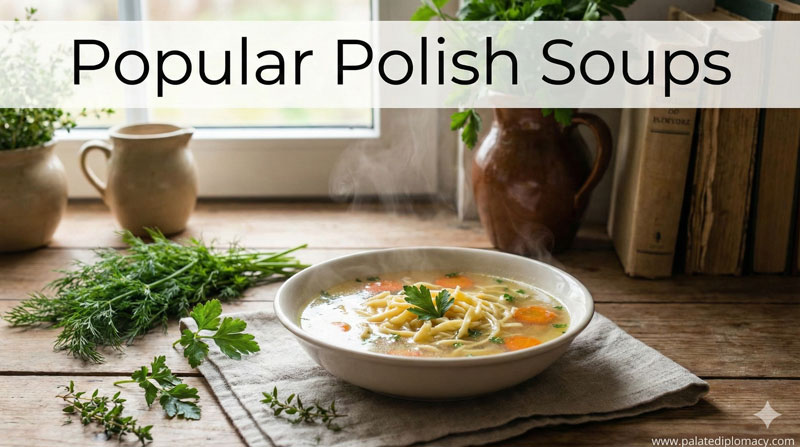
The beauty of rosół lies in balance. The broth relies on a few reliable ingredients: chicken, onion, carrots, celery or parsnip, and herbs such as bay leaves and pepper. Parsley root or fresh parsley may appear on the table for fresh brightness. The technique emphasizes clarity and lightness rather than heaviness. Simmer gently, skim the surface, and let flavors mingle. The result is a bright stock with a delicate aroma and a clean, comforting taste. Noodles or kluski often join the broth, absorbing its flavor and carrying it to the table. This simple, thoughtful technique highlights how Polish cooks honor every layer of flavor.
The Ritual of Sharing Rosół
Sharing rosół is an act of hospitality. Families pass the pot from stove to table, inviting guests to taste the first clear spoon. The ritual feels calm and welcoming. The bowl becomes a place for connection, where stories are shared and memories are spoken in soft tones. In communities, rosół appears at many life moments—celebrations, visits, and quiet weekends alike. Thus, the dish supports a culture of attentiveness, patience, and mutual care.
Regional Voices, Modern Takes
Across Poland, small differences color the rosół experience. Some regions favor a pure, almost glass-clear broth, while others enjoy a fuller, more rounded flavor with extra vegetables. Some cooks finish with a fresh dollop of herbs for brightness. In cities and newer eateries, chefs explore refined techniques while preserving the dish’s core identity. Yet the essence remains: rosół is a warm, approachable dish that invites everyone to sit, eat, and listen.
How Rosół Fits into Modern Polish Cuisine
Today, rosół appears in bakeries, cafés, and traditional restaurants with renewed appreciation. It appears in seasonal menus, where cooks source farm-fresh ingredients and emphasize sustainable flavors. The dish is celebrated for its ability to adapt while staying true to its roots. This balance—between tradition and contemporary taste—helps rosół remain relevant and inviting to new generations.
How to Appreciate Rosół Today
To truly appreciate rosół, focus on the experience as much as the flavor. Notice the clear broth, the gentle aroma, and the tender chicken pieces. Listen to the quiet that comes with a simmering pot. Observe how a simple recipe can bring people together. Finally, savor the moment of tasting, and recognize the care that went into each bowl.
Conclusion
Rosół stands as a favorite because it blends culture, craft, and care. It connects daily life with shared memory and hospitality. This is why rosół remains a must-try dish in Poland: it invites you to slow down, savor, and celebrate the beauty of Polish cooking.