
What Rosół Is
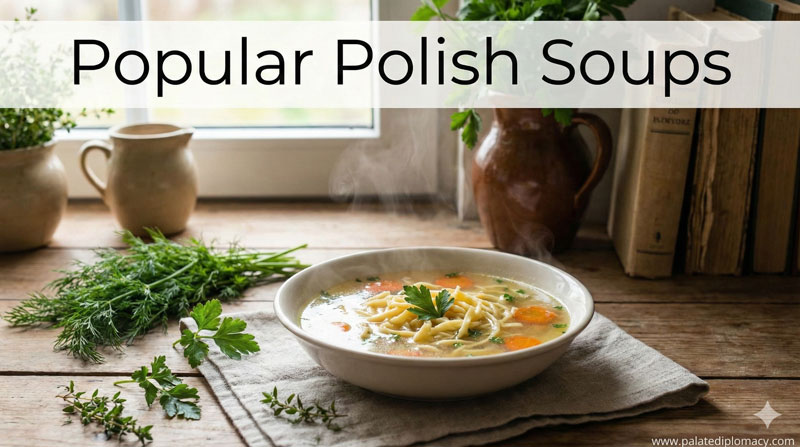
Rosół is a clear chicken broth that holds a special place in Polish kitchens. It begins with a simple, honest idea: let ingredients speak for themselves. A whole chicken or chicken pieces simmer in water, slowly releasing flavor. Carrots, parsnips, and onions join the pot, along with simple seasonings like peppercorns and a bay leaf. The result is a pale, fragrant broth that feels clean on the palate. People often finish Rosół with a touch of fresh herbs. This dish is widely enjoyed, and its quiet depth makes it more than a meal—it’s a cultural touchstone in many homes.
The Craft of Making Rosół
The value of Rosół lies in careful technique. Start with good quality chicken and fresh vegetables. Place everything in cold water and bring it slowly to a gentle simmer. Avoid a hard boil, which can cloud the broth. Skim the surface to remove foam, then lower the heat. Let it simmer patiently for hours, until the meat falls tender and the broth gains clarity. Strain the liquid gently to keep it bright. The final step is subtle: some cooks finish with a hint of parsley or dill, and a light splash of the cooking liquid to warm the noodles. The method honors time, balance, and restraint.
A Table of Hospitality
Rosół embodies hospitality. It is often a centerpiece for family lunches and Sunday gatherings, inviting everyone to sit, breathe in the aroma, and share stories. The act of cooking and serving Rosół becomes a ritual of care. A family member may set the table, place bowls in a neat circle, and offer hot broth to each guest. This simple act creates a warm, welcoming atmosphere. In many households, Rosół is a bridge between generations, a way for memories to mingle with the scent of simmering herbs and chicken. The dish carries a gentle message: good food brings people together.
Noodles, Broth, and Garnish
A well-made Rosół shines when paired with the right accompaniments. The broth is commonly served with noodles or soft dumplings. Egg noodles—thin and tender—absorb the warm liquid beautifully. Some homes prefer small, rounded dumplings or square kluski, floating softly on top. A sprinkle of fresh herbs—parsley or dill—adds color and aroma. The contrast between clear broth and comforting starch makes every spoonful satisfying. This balance—clear, fragrant broth plus gentle noodles—is a signature of the dish’s charm.
Regional Twists and Seasonal Flavor
Across Poland, cooks add subtle regional touches to Rosół. Some recipes call for a bit more carrot or a touch of celery to deepen sweetness. Parsley roots or a splash of lemon zest appear in certain families, brightening the broth without overpowering it. The timing of serving, the thickness of the finished stock, and the exact noodle choice can shift from town to town, yet the essence remains the same: a nourishing, elegant broth that honors simple ingredients. These variations highlight how a common dish can carry personal character while staying true to a shared culinary tradition.
Rosół in Modern Polish Kitchens
Today, Rosół continues to thrive in both home kitchens and modern eateries. Chefs celebrate its clarity, balance, and comforting aroma, while home cooks cherish it as a reliable staple. The dish invites experimentation, yet it rewards restraint. A pot of Rosół can anchor a weekday dinner or elevate a weekend meal with family. In essence, Rosół is more than a recipe; it is a practice—an invitation to slow down, savor aroma, and respect the ordinary ingredients that become something gently remarkable.
This warm, clear broth remains a beloved window into Polish food culture. Its purpose is simple: to nourish, to welcome, and to remind us how a well-made broth can carry a family’s presence from pot to table. Rosół invites all who taste it to slow, smile, and share in the quiet beauty of everyday cooking.