
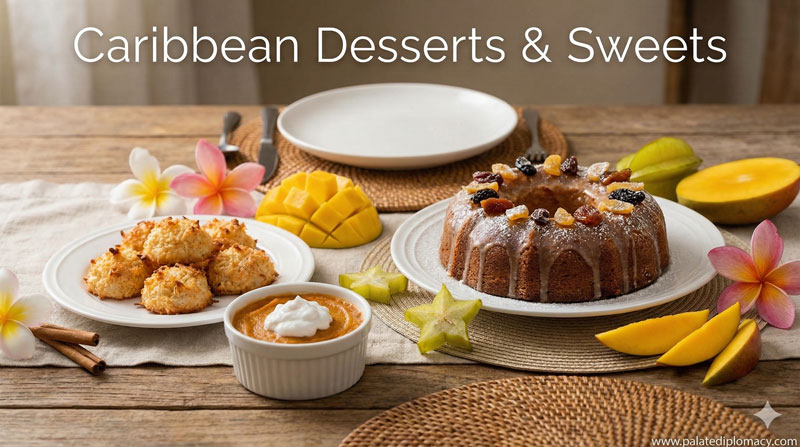
A Friendly Welcome to the Caribbean Rum Cake
Few desserts travel as warmly as Caribbean rum cake. Its aroma lifts the room, and its texture invites a gentle, lingering bite. Across Caribbean kitchens, this cake has become a steady presence at birthdays, holiday gatherings, and communal feasts. The cake’s journey is a story of shared craft, bright spices, and a love for bold, comforting flavors. In this post, we explore how rum cake became a beloved part of Caribbean Food Culture, highlighting its cultural value and culinary significance. We will look at the ingredients, the methods, and the way each island adds its own touch, producing a family favorite that travels well from home to table.
The Simple Magic: What Makes It Special
The magic lies in balance. A moist crumb carries tempered sweetness and warm spice. The rum amplifies fragrance, while citrus zest brightens the finish. Each bite offers a gentle sweetness that sits comfortably with coffee, tea, or a festive punch. The cake’s moist texture helps it stay fresh for days, inviting slow sharing. Because the recipe travels between kitchens and homes, bakers add personal touches—extra vanilla, a touch of nutmeg, or chopped dried fruit. This openness makes the cake feel welcoming and familiar, no matter where the slice is served.
Core Ingredients and Their Roles
Key ingredients shape flavor, aroma, and texture. Rums with soft vanilla notes create a comforting backbone. Brown sugar and molasses add depth and moisture. A blend of flour, eggs, and butter makes a tender crumb. Spices such as cinnamon, nutmeg, and allspice lend warmth, while citrus zest adds brightness. Dried fruit, such as raisins or cherries, offers chewy sweetness. A drizzle of rum glaze or rum-soaked syrup finishes the cake, intensifying its aroma and keeping the crumb lush. Each component plays a precise role, yet the magic comes from how they harmonize in a single loaf.
Regional Flavors Across the Caribbean
Across islands, cooks adapt the cake to local tastes. In one place, you may taste a hint of darker rum and a touch more spice for a robust profile. In another, lighter rum and brighter citrus create a fresher note. Some versions emphasize dried fruits for a fruit-forward crumb, while others lean toward a smoother, elegant texture. Nutmeg and vanilla often appear as signature notes, echoing regional pantry staples. The result is a tapestry of variations, all grounded in a shared love for a moist cake that carries warmth and joy from oven to table.
The Craft: From Batter to Slice
The craft is a dance of timing and confidence. First, bakers whisk a fine batter until it shines with glossy sheen. Next, they fold in spices, fruit, and a tang of citrus. Then comes the gentle bake, which fills the kitchen with a comforting aroma. After cooling, many bakers brush the cake with rum syrup or glaze to deepen flavor and moisture. Finally, the cake rests briefly, letting flavors settle before it reaches the slice. The process rewards patience and care, yielding a cake that remains tender and vibrant even after days of sitting on a cake plate.
Celebrations and Community around the Cake
Rum cake has a place in many occasions, from birthdays to festive holidays. It becomes a centerpiece that invites sharing, conversation, and laughter. Bakers often gift a slice or a whole loaf, turning a dessert into a gesture of hospitality. The cake’s presence at gatherings signals warmth and generosity. In kitchens and markets, the aroma sparks smiles and conversations about favorite family recipes. The cake thus becomes a quiet ambassador of togetherness, linking planning, baking, and feasting into a single, fragrant ritual.
Serving, Storage, and Pairings
Serve rum cake in generous slices, warm or at room temperature. Pair it with strong coffee, a cup of tea, or a light dessert wine for contrast. For storage, keep the cake wrapped and stored in a cool place; it ages gracefully and gains depth with time. A light dusting of powdered sugar or a simple glaze can refresh the surface for a special occasion. When sharing with guests, offer a small butter pat or cheese alongside to enhance the texture and balance flavors, creating a complete tasting experience.
A Guide for Home Bakers to Honor Tradition
To honor the tradition, start with quality ingredients and clean technique. Choose a rum with pleasant vanilla and spice notes for a well-rounded flavor. Use fresh zest for brightness, and don’t skip the rest period after baking—let flavors meld. If you like, add a handful of chopped dried fruit for texture. Bake until a toothpick comes out clean, then brush with warm rum syrup for moisture. Finally, slice with care and present with a cheerful plate or platter. These small choices elevate a simple recipe into a cherished family favorite.
Closing Reflection on Taste and Craft
The Caribbean rum cake stands as a bright thread in the tapestry of regional cuisine. Its comforting crumb, aromatic spice, and warm rum finish offer a sense of welcome and celebration. Each slice tells a story of shared kitchens, thoughtful hands, and careful technique. The cake invites guests to pause, savor, and appreciate the beauty of well-made food. In every bite, you taste a tradition of hospitality, care, and joy—an enduring symbol of how good flavors bring people together.