
What Are Pyzy and Why They Matter
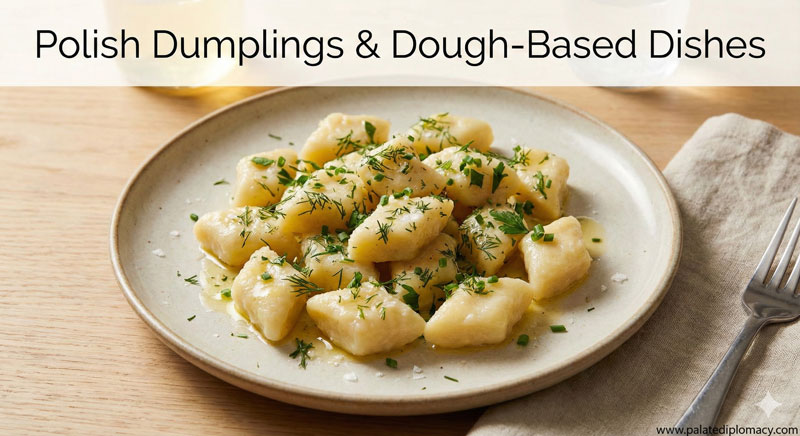
Pyzy are humble, comforting dumplings made from potato-based dough. They can be plain or filled with meat, mushrooms, or cheese, and they often arrive at the table with a gentle shine from butter or a dollop of sour cream. In many homes, pyzy symbolize the virtue of simple, seasonal cooking: ingredients that come from nearby fields, a recipe passed from parent to child, and a meal that invites quiet moment and conversation. The dish holds a steady place in the culinary landscape, celebrated for its tenderness, balance, and the way it invites shared eating. When locals say “pyzy,” they are speaking of more than food; they’re describing a way of gathering, a rhythm of preparation, and a small, fragrant ritual that marks everyday life with care.
The Texture, Flavor, and Technique
The magic of pyzy begins in texture. The dough should feel soft and cohesive, not stiff or crumbly. Potatoes carry the body and moisture; flour, egg, and a pinch of salt help the dough hold its shape. The goal is a light, almost pillow-like center with a subtle resistance on the bite. Boiling is the gentle finish: simmer until they float, then turn off the heat to rest briefly. Some versions stay simple—potatoes and a touch of flour—so the potato flavor shines. Others welcome a savory surprise inside, a proper filling that becomes a fragrant center. Butter is the quiet conductor at the table, enriching the surface and bringing out the aroma of toasted onions or crisp bacon. The result is a dish that feels rustic yet refined, comforting but full of character.
Regional Varieties and Their Stories
Across regions, pyzy wear slight differences as badges of local taste. Some kitchens favor larger, round dumplings with a soft interior and a glossy outside. Others favor slightly flatter shapes, where edges pick up a gentle chew. Fillings vary too: meat seasoned with herbs, mushrooms with onion, or cheese that melts just so. Even the serving style changes by place; some regions drizzle a simple butter sauce, others top with sour cream and chives. These variations are not rivalries but conversations—recipes that have adapted to nearby farms, markets, and family preferences. The shared thread is that pyzy adapt with grace, always honoring the potato as the star while inviting a chorus of complementary flavors.
A Local Table: How Pyzy Binds People
On a kitchen table, pyzy become a moment of connection. Families gather to peel, mash, and shape, passing bowls and sharing stories. In markets, cooks offer a plate of hot pyzy alongside a friendly tip or a quick demonstration. In communities, the dish appears at celebrations and quiet dinners alike, offering both nourishment and a sense of belonging. This social fabric is not about grand gestures; it is about the steady rhythm of cooking together, the way laughter travels across the table, and the shared satisfaction of a meal that fills the room with warmth. Pyzy, in this sense, are not only food but a small cultural ceremony that welcomes everyone to participate.
The Best Moments to Enjoy Pyzy
Enjoy pyzy when you want a meal that feels both satisfying and unpretentious. A cool evening, a family gathering, or a moment of pause after a busy day—all of these are ideal times. Serve pyzy hot, with a spoonful of sour cream and a drizzle of melted butter. A sprinkle of fresh herbs or a handful of crispy onions adds a bright note. For a heartier option, pair pyzy with a slice of fried bacon, a mushroom ragout, or a simple mushroom sauté. And for a lighter touch, a squeeze of lemon and a sprinkle of pepper can awaken the dish without masking its potato sweetness. The beauty lies in the quiet balance between soft dough and savory accents, inviting you to linger a little longer at the table.
Pairings, Sauces, and Toppings
Sauces and toppings elevate pyzy without overpowering them. A dollop of sour cream offers a cool counterpoint to the warm, starchy dough. Melted butter or a small amount of clarified butter lends gloss and richness. Sautéed onions, crumbled bacon, or fried mushroom slices bring depth and aroma. Fresh herbs—dill or parsley—brighten the plate with a hint of green. For a lighter touch, a crisp side salad with a tangy vinaigrette can balance the richness. The key is balance: choose one strong accent and let the potato flavor remain the star. The result is a versatile dish that shines in many contexts, from simple weeknights to cozy weekend gatherings.
Making Pyzy at Home: Simple Steps and Tips
If you want to recreate the local spirit at Home, keep the process straightforward. Start with good potatoes, peeled and boiled until tender. Mash them until smooth, then cool slightly. Mix in a small amount of flour and a pinch of salt, just enough to form a cohesive dough. Knead gently, then shape into rounds. Boil in salted water until they rise to the surface, then give them a moment to rest in warm steam. If you fill them, prepare a fragrant meat or mushroom mixture in advance and add a modest amount into the center before sealing. Finish with a touch of butter and a light sprinkle of herbs. The aim is a comforting dish that feels homemade and genuine, with a texture that invites the first bite and the next.
Shopping, Storage, and Freshness
Choose pyzy when you want a plate that tastes like it came from a busy, friendly kitchen. Fresh dumplings have the most delicate texture and aroma. If you buy them frozen, look for a smooth surface and uniform size. Store leftovers in a cool place and reheat gently, either by steaming or in a small amount of simmering water. When reheating, a brief rest after cooking helps the dough regain its tenderness. If you make pyzy at home, keep the dough covered to prevent drying and plan to cook portions you’ll enjoy promptly. The best pyzy remind you of home and the careful hands that made them.
A Cultural Moment at the Table
In many homes, pyzy mark the passage of time—from busy weekdays to relaxed weekends. They welcome guests, invite conversation, and celebrate practical, comforting nourishment. The dish embodies a philosophy of care: simple ingredients treated with patience, a quiet respect for tradition, and an openness to small, everyday rituals. By savoring pyzy, readers glimpse a culinary world where taste and togetherness go hand in hand. It is a reminder that great meals can be modest in scale yet rich in meaning, and that food often reflects a community’s shared values and daily life.
Closing Thought: The Quiet Beauty of Pyzy
Pyzy are more than a recipe; they are a statement about everyday cooking done with attention and warmth. They invite us to slow down, to gather around a table, and to trust the simple harmony of potato, flour, and patience. When enjoyed Like a local, pyzy become a doorway to a culture that values nourishment, connection, and the gentle joy of eating well. If you approach them with curiosity and respect, you’ll discover not only a dish, but a welcoming moment in the week where comfort, flavor, and community meet.