
Introduction
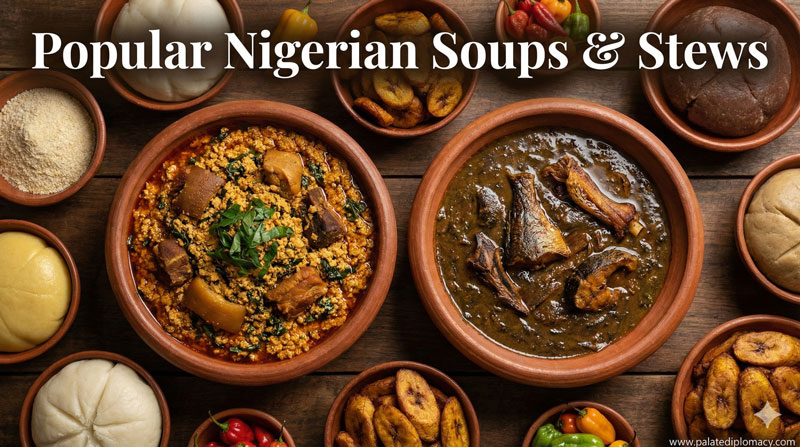
Banga soup is a vibrant emblem of the Niger Delta’s culinary heart. Its warm, amber broth comes from palm fruit extract, a treasure that many cooks treat as a signature of craft and care. This dish invites you to taste a way of life that values fresh ingredients, patient simmering, and shared meals. In this guide, you will discover its cultural value and culinary significance, explained in a welcoming, respectful tone.
What makes Banga soup special
Banga soup centers on palm fruit extract, which yields a bright, slightly sweet, earthy base. The flavor blooms with fish or meat, crayfish, and peppers, layered by herbs and a gentle smokiness. The result is a soup that feels at once comforting and celebratory. Locals savor the aroma first, then the smooth, rich texture that coats rice, starch, or fufu. The dish stands out for its balance: bold spices tempered by the natural sweetness of palm fruit. This harmony reflects a cooking philosophy that honors both strength and restraint.
Cultural value and community
Banga soup is more than nourishment; it is a social signal. Families gather to prepare it, share stories, and pass down tips from one generation to the next. It is a dish to mark special days and everyday meals alike. When the pot returns to the table, everyone contributes their sense of place—who seasoned this batch, which fish was chosen, and how the heat was adjusted. In every simmer, you taste a sense of belonging and the joy of communal cooking. The dish also showcases regional pride, with subtle twists that reflect local ingredients and preferences.
Key ingredients and how they matter
Palm fruit extract forms the soul of Banga soup, offering depth and a golden hue. Common accompaniments include fish, beef, or goat, along with crayfish to add a savory bite. Pepper and onions provide brightness, while scent leaves or other fresh greens introduce a fragrant finish. The choice of protein matters: it shapes texture and the overall impression of the bowl. Each ingredient is chosen to respect tradition while allowing personal touch, making every pot feel both familiar and fresh.
Techniques that honor tradition
Creating Banga soup blends patience and precision. Start with ripe palm fruit or a ready-made extract, simmer to release sweetness, and strain to achieve a smooth broth. Add proteins and flavor boosters, letting them mingle over gentle heat. The final step often involves a quick garnish of herbs that brightens the dish. This method highlights a skill set passed down through families: respect for ingredients, careful timing, and a sense of rhythm in cooking and serving.
How to enjoy like a local
First, inhale the aroma as the pot settles on the table. Next, scoop the broth over your starch or fufu to absorb the rich flavors. Use a gentle, steady pace to savor the layers of palm, spice, and protein. Pair the soup with a side that suits you—starch, pounded yam, or rice all work well. In many homes, meals begin with a small tasting bite to confirm seasoning, then grow into a fuller, shared experience. Finally, relax into conversation and savor the harmony of textures and temperatures.
Serving styles and regional notes
Banga soup adapts to what’s available and what locals prefer. It is commonly served with starch, but it also pairs beautifully with fufu, pounded yam, or white rice. Oils from the palm fruit lend a luxurious mouthfeel that makes the dish satisfying even in cooler weather. Different communities may emphasize slightly different herbs or fish choices, yet the core pleasure remains the same: a hearty, soulful bowl that invites you to slow down and enjoy.
Sourcing tips and freshness
Choose palm fruit extract or fresh fruit carefully for a bright color and clean taste. Fresh fish or sturdy meat enhances texture and aroma. Crayfish adds a distinct, savory note, but you can adjust amounts to suit your palate. If you cannot find fresh ingredients, high-quality substitutes still yield a generous, faithful flavor. The key is balance: let the palm base shine, then layer proteins and spices thoughtfully.
Conclusion
Banga soup offers more than a meal; it offers a doorway into a cooking culture built on generosity, balance, and tradition. By focusing on its cultural value and culinary significance, you can appreciate how this dish gently blends memory, craft, and shared joy. When you sip the broth and savor the meat, you taste a landscape of flavors and the warmth of a community that welcomes every guest to their table. Enjoy it with respect, and let each bowl remind you of the beauty found in everyday meals.