
A Complete Guide to Enjoying Kik Alicha Like a Local
Kik alicha invites you to slow down and savor. This gentle Ethiopian dish blends simple ingredients into a comforting, deeply regional experience. The way locals cook and share Kik alicha reveals both daily care and a celebration of plant-forward flavors. Read on to discover its cultural value and culinary significance.
What is Kik Alicha?
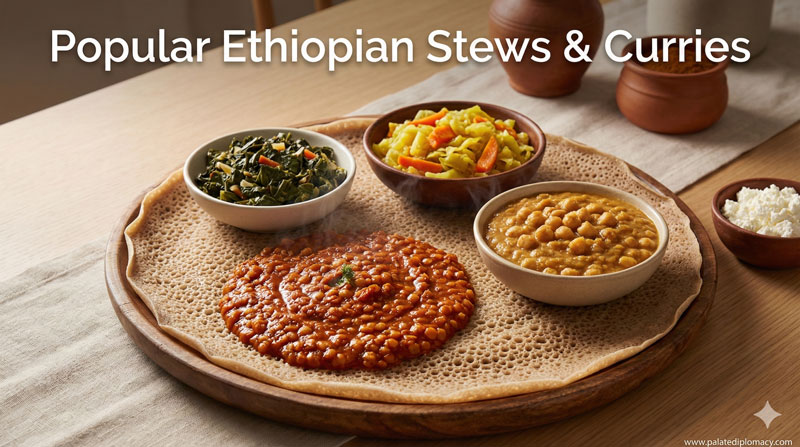
Kik alicha is a mild yellow split-pea stew. The peas cook until creamy, softened by onions, garlic, and a whisper of turmeric. Ginger sometimes appears for brightness, while a light touch of oil or niter kibbeh enriches the pot. The result is pale in color, smooth in texture, and warm in aroma. It is often prepared as part of a larger meal served with injera, the spongy flatbread made from teff flour. Kik alicha shines as a gentle counterpoint to bolder stews, offering balance in every bite.
Its Place in Ethiopian Cuisine
This dish holds a steady place in Ethiopian home cooking and festive trays alike. It appears on the daily table when families gather, and on shared platters during special meals. Kik alicha is a staple during fasting periods when meat is not consumed, because it centers legumes and grains in a satisfying, nourishing way. It appears beside other lentil or bean dishes, vegetables, and injera on a large mesob, the communal platter that brings people together to eat with their hands. The practice of sharing food from one tray highlights hospitality, care, and community.
The Experience: Texture, Aroma, Flavors
Texture matters in Kik alicha. Each bite blends creamy peas with soft onions. The stew remains light on heat, inviting you to taste the natural sweetness of the peas. A delicate aroma rises as turmeric and garlic mingle with onions. The flavor is mild but comforting, allowing the ingredients to sing without overwhelming the palate. This subtle profile makes Kik alicha an ideal partner to the tangy, sour notes of injera, creating a balanced meal that feels wholesome and inviting.
How to Enjoy It Like a Local: Etiquette, Pairings, and Serving
To enjoy Kik alicha Like a local, start with injera. Tear a piece and use it to scoop a portion of the stew. Let the bread absorb a touch of the sauce, then lift the bite to your mouth. The shared plate encourages conversation and a sense of belonging. Pair Kik alicha with other items on the platter, such as greens or a light salad, to create a well-rounded meal. If you encounter a gently spiced variant, savor the warmth but keep the peas and onions as the star. In social settings, take small portions and sample a variety of dishes, letting each flavor brighten the next.
Variations and Seasonal Touches
Home cooks and chefs adapt Kik alicha to local ingredients and preferences. Some use niter kibbeh for depth, which adds a subtle butteriness and spice. Others opt for olive oil or a clean vegetable oil to preserve a purely plant-based profile. Ginger, garlic, and a hint of cumin or coriander may appear for extra fragrance. Depending on the season, cooks may adjust the onion quantity or the peas’ cooking time to reach a smoother, silkier texture. While the core is pease, onion, and turmeric, these small variations honor regional tastes and personal families’ recipes.
Shopping and Cooking Tips for Home Cooks
- Choose yellow split peas for the traditional color and texture. Rinse well before cooking.
- Soaking is optional but can shorten cooking time; a quick rinse and simmer work fine.
- Use a heavy pot to prevent sticking and to deepen the sauce’s sheen.
- Start with onions and garlic sautéed softly; add turmeric early to bloom its flavor.
- For a richer finish, stir in a small amount of niter kibbeh or your preferred oil toward the end.
- Serve with ample injera. The bread is essential for experiencing the full texture and flavor of Kik alicha.
A Closing Note: Cultural Value and Joy of the Table
Kik alicha is more than a dish; it is a quiet ritual of care, balance, and sharing. Its mild character invites everyone to participate in the meal, and its presence on a platter signals hospitality and togetherness. The dish teaches restraint and respect for the ingredients, highlighting how simple legumes can become a source of comfort and cultural pride. By savoring Kik alicha, you partake in a tradition that values nourishment, community, and the beauty of modest flavors elevated through careful technique.