
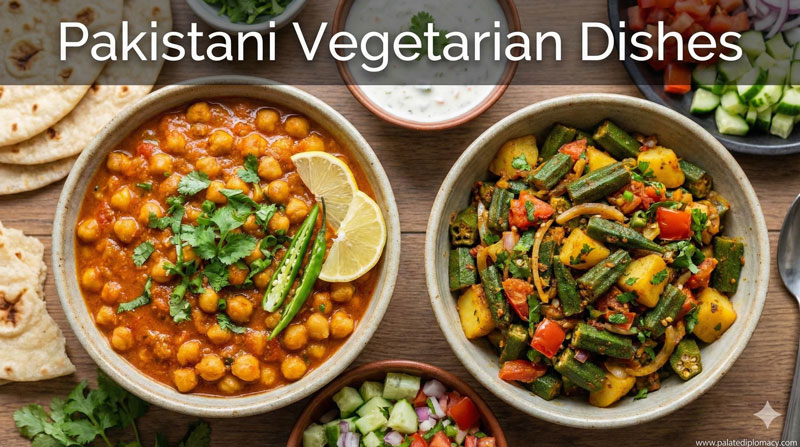
Introduction
Welcome to a Complete Guide to enjoying Mixed Vegetable Curry Like a Local. This dish shines with everyday warmth, fresh produce, and thoughtful balance. It invites cooks and diners to slow down, savor flavors, and share a comforting bowl. In these pages, you’ll find how the curry fits into daily life, how its flavors reflect local markets, and why it holds a special place in home kitchens and eateries alike. The goal is to celebrate its cultural value and culinary significance with clarity and respect.
What is Mixed Vegetable Curry?
Mixed Vegetable Curry blends a colorful assortment of vegetables—potatoes, carrots, peas, cauliflower, beans, and sometimes bell peppers or squash—into a harmonious sauce. The base usually combines onions, garlic, and ginger with tomatoes to build depth. Spices such as cumin, coriander, turmeric, chili, and garam masala create warmth and brightness. Coconut milk or yogurt adds creaminess, while curry leaves and mustard seeds can temper the aroma. Regional touchstones appear in the choice of vegetables, the level of heat, and the use of coconut or tamarind. The dish is flexible, welcoming whatever seasonal vegetables are available, yet it remains clearly a curry in style and technique.
The Cultural Value of the Dish
This curry symbolizes everyday hospitality. It appears in family meals, street-side stalls, and tiny cafés alike, always ready to nourish a crowd. Its accessibility matters: a mix of affordable vegetables becomes a flavorful, satisfying meal when seasoned with care. Sharing a pot of curry with rice or bread fosters a sense of togetherness and routine. The dish travels through regions via markets and kitchens, picking up local touches while retaining a recognizable essence. Its presence at meals signals calm, generosity, and the joy of dining together. In many households, preparing mixed vegetable curry is a small ritual that reinforces seasonal rhythms and the pride of home cooking.
Techniques and Flavor Building
Great curry starts with a well-built aroma. Sauté onions, garlic, and ginger to release sweetness and depth. Add spices to bloom their oils and perfume the kitchen. Tomatoes provide acidity and body, while vegetables add textural variety. A gentle tempering, or tadka, with hot oil and seeds adds a final layer of fragrance before serving. Coconut milk or yogurt rounds the sauce and helps balance spiciness. Fine-tuning comes from tasting: a pinch of salt, a squeeze of lime or tamarind for tang, and a touch of sugar if needed to harmonize flavors. The result is a sauce that coats vegetables smoothly and clings to rice or bread with bright, comforting balance.
How to Enjoy Like a Local
To savor this dish as locals do, start with the basics: serve hot, alongside fluffy steamed rice or warm flatbreads such as chapati or roti. A side of crisp papad or fresh chutney can add texture and contrast. Take a bite of the vegetables first to appreciate their tenderness, then scoop a little sauce for the rice. Balance bites between soft rice and savory sauce to feel the full range of flavors. Garnish with fresh cilantro for brightness and a splash of lime or lemon if a citrus note is preferred. Eat slowly, letting the sauce mingle with the grains and vegetables. This mindful approach highlights how every ingredient supports the collective flavor.
Regional Variations and Seasonal Flair
Regional kitchens honor local produce. In coastal areas, coconut milk and curry leaves create a lush, tropical aroma. Inland regions may emphasize tomatoes and earthy spices, producing a richer, tan-colored sauce. In mountain or plateaus, root vegetables can dominate, giving a heartier texture. Seasonal produce steers the vegetable mix, so the dish remains fresh and vibrant year-round. Regardless of variation, the curry preserves a shared method and spirit: thoughtful spice, careful simmering, and generous sharing.
Pairings, Etiquette, and Serving Styles
A complete experience pairs the curry with grains or bread that best carry its sauce. Fragrant basmati rice and whole-wheat roti are classic companions. For a lighter option, serve with quinoa or millet alongside a crisp cucumber salad. Some diners enjoy a dollop of yogurt on top for cooling contrast. When sharing at table, offer spoons and small bowls for dipping, while keeping the pot warm and accessible. The etiquette centers on courtesy, simplicity, and the joy of everyone enjoying the same comforting dish.
Practical Tips for Home Cooking
- Choose a mix of vegetables you love and what’s fresh in your market.
- Prep aromatics first, then add spices to wake their aroma.
- Add a dash of sweetness with vegetables like carrots or a touch of coconut milk if the sauce feels too bright.
- Taste and adjust salt, acidity, and heat in stages.
- Finish with chopped cilantro for color and brightness.
Conclusion
A Complete Guide to Enjoying Mixed Vegetable Curry Like a Local reveals more than a recipe; it reveals a daily ritual of care, balance, and shared pleasure. The dish champions fresh produce, precise spice work, and generous serving. It celebrates how simple ingredients can become memorable when harmonized with patience and respect. Whether you cook at home, explore a market stall, or dine in a cozy eatery, this curry invites you to savor the beauty of wholesome food and the culture it nourishes.