
A Complete Guide to Enjoying Polish Babka Cake Like a Local
Polish babka cake is more than a dessert. It is a comforting thread in daily life and festive gatherings. Its soft crumb, gentle sweetness, and ribboned filling invite sharing, conversation, and slow hospitality. This guide invites you to savor babka the way locals do, with attention to its cultural warmth and culinary craft.
What Is Polish Babka?
Babka is a sweet, enriched yeast cake. The dough blends butter, eggs, sugar, and flour into a tender sponge. A swirl of filling—often vanilla, cinnamon, chocolate, or fruit preserves—winds through the loaf, creating a beautiful pattern. In Poland, bakers poster the glaze, glaze-free tops, or a light dusting of sugar to finish. The result is a moist slice with a delicate bite and a lingering aroma that hints at comforting home baking.
A Moment in Polish Life: Occasions and Rituals
Babka appears in many Polish moments. It sits on a family table for Sunday treats, after a meal, or with morning coffee. It finds a place at Easter tables, where its sweetness pairs with seasonal traditions. In bakeries, the display case glows with swirls of chocolate or vanilla, inviting a moment of pause as you pick a slice. The cake is not hurried; it is a reason to gather, to chat, and to notice the simple pleasure of a well-made pastry.
Texture, Filling, and Flavor: A Guide to Tasting
The joy of babka lies in contrast. The dough is rich yet light, with a soft, airy crumb. The swirl adds a ribbon of flavor—think velvety chocolate, cozy cinnamon, or bright fruit preserves. The glaze or finish can give a gentle gloss or a matte sweetness that complements the crumb. When you bite, look for balance: a tender interior, a hint of butter, and a finishing note from the filling that lingers pleasantly.
How to Enjoy Like a Local: Serving, Slicing, and Pairings
To enjoy babka Like a local, start with a fresh slice, ideally not too thick. Use a serrated knife to preserve the swirl pattern. Pair babka with a robust cup of coffee or a cup of tea for a balanced experience. Some enjoy it warm, perhaps with a thin smear of butter melting into the crumb, while others savor it at room temperature to appreciate the textures. For a small dessert moment, add a dollop of fruit jam or a few berries on the side to echo the filling’s fruit notes.
Choosing Babka: Freshness, Flavor, and Care
When you choose a babka, look for a crumb that feels even and moist, not dry. The swirl should be visible, with clear, even lines of filling. A shiny, lightly glazed top can indicate a fresh bake, though some prefer a matte finish for its rustic charm. In markets, fresh morning bakers often yield the best slices, with the scent of butter and yeast inviting you to pause and choose.
Variants and What They Offer
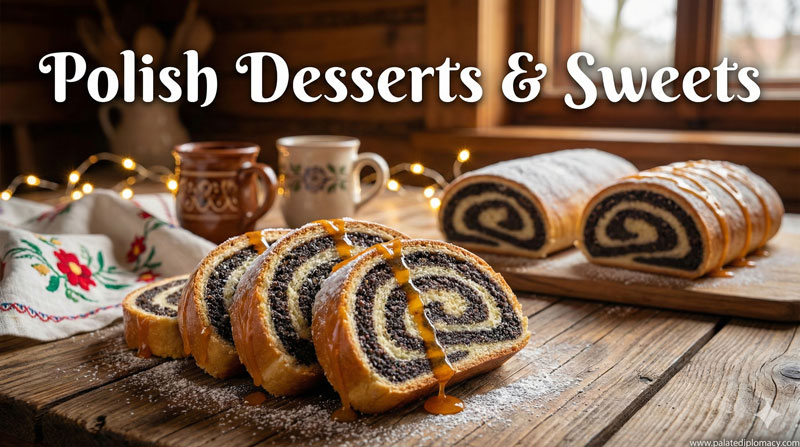
Common varieties include chocolate babka, vanilla-cinnamon swirl, and poppy seed (mak). Each variation offers a different aroma and textural cue—rich chocolate for depth, cinnamon for warmth, and poppy seeds for a delicate crunch and nutty note. Regional and family recipes bring subtle differences in sweetness, texture, and pattern. Exploring these helps you understand How Polish bakers express tradition through small, personal choices.
Pairings, Moments, and Shared Joy
Babka pairs well with daily rituals—slow mornings, quiet afternoons, and festive gatherings. Its gentle sweetness makes it a versatile partner to coffee, tea, or a glass of milk. Sharing a slice strengthens moments of connection, where conversations flow as easily as the ribbon in the loaf.
Etiquette and Storage Tips
Serve babka at room temperature for best flavor. If you prefer warmth, a light reheat can release its buttered aroma. Store slices in a covered container to retain moisture for a day or two. Freeze a wrapped loaf for longer keeping, then thaw gently to preserve texture.
A Closing Note on Cultural Value
Babka embodies a spirit of care and hospitality. Its presence in homes and bakeries reflects the importance of sharing sweet, comforting foods with friends and family. By enjoying babka, you participate in a cherished Polish culinary tradition—one that honors craft, memory, and everyday joy. May your next slice be a small but meaningful invitation to pause, smile, and celebrate the warmth of good company.
If you are new to babka, take a moment to observe how the swirl patterns catch the light, how the aroma fills the room, and how a simple slice can open a quiet conversation. In this simple pastry lies a rich culture of warmth, craft, and togetherness. Enjoy it slowly, and let the local spirit of hospitality greet you with every bite.