
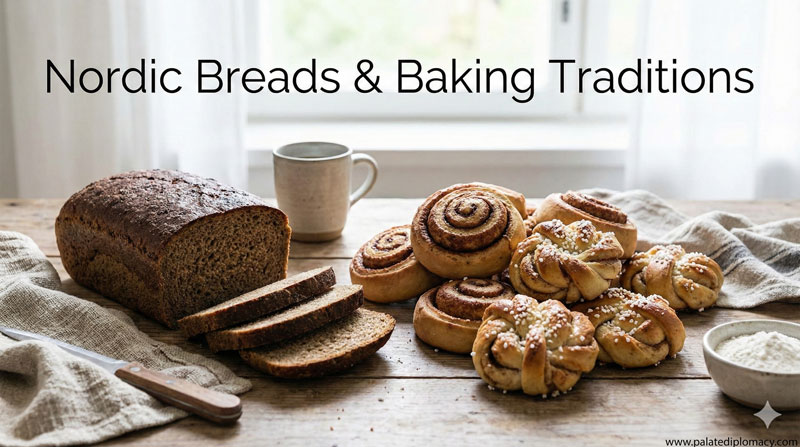
Introducing the Dish: A Complete Guide to Enjoying Rye Bread Like a Local
Rye bread has a quiet elegance that invites curiosity and appreciation. This guide centers on the cultural value and culinary significance of rye bread. It treats the dish as a living part of daily life, shared meals, and seasonal rhythms. The focus is on how rye bread feels in a home kitchen, a bakery, or a café. It is about texture, aroma, and the slow joy of slicing a wholesome loaf. You will discover how the bread speaks to place, craft, and everyday hospitality. This is a friendly invitation to see rye bread as more than a staple—it is a part of a region’s heart.
What Rye Bread Is and How It Is Made
Rye bread blends rye flour with water, salt, and a sourdough or natural-yeast starter. The result is a loaf with a distinctive density, a warm aroma, and a crust that crackles gently. Caraway, coriander, or anise seeds often sprinkle the surface or the crumb, adding a subtle, inviting note. Fermentation plays a central role. It deepens flavor, improves texture, and brings a gentle tang that many enjoy as a signature trait of rye bread. The craft behind a good loaf lies in patience: gradual rise, careful shaping, and attentive baking. When these elements come together, the loaf offers a balance of earthiness, sweetness, and a comforting snap at the crust.
A Culture of Sharing and Savoring
In many communities, rye bread anchors daily meals. It appears at breakfast with butter or cheese, at lunch with hearty toppings, and in quiet moments of tea or coffee. The bread’s sturdy crumb supports toppings without dissolving into them. This practicality blends with ritual: the simple act of slicing a loaf, laying out boards of toppings, and sharing pieces with family or friends. The loaf also adapts to seasonal flavors—savory herbs in spring, smoky accents in autumn, bright vegetables in summer. In this way, rye bread becomes a canvas for seasonal produce and local taste, a reminder that meals connect people across the day.
Regional Expressions of Rye
Across regions, rye bread takes on distinct shapes and styles, each with its own character while staying true to the grain’s nature. Danish rugbrød is dark, dense, and often studded with seeds, reflecting a long tradition of preserving grains. Finnish ruisleipä tends to be lighter in moisture and can bear a crackly crust that yields to a tender crumb. German rye loaves range from firm, hearty alts to more open-crumb varieties, sometimes enriched with malt for sweetness. Borodinsky bread, a Russian-inspired style, brings gentle spice and a rosy-brown crust through caramelized malt and coriander. Each variation speaks to local grains, climate, and baking methods, yet all share a respect for rye’s sturdy, comforting profile. This diversity enriches culinary culture by offering a spectrum of flavors while maintaining a shared sense of fidelity to the grain.
Tasting Like a Local: A Simple Guide
To approach rye bread with the mindset of a local, begin with a mindful selection. Choose a loaf that feels fresh, with a deep aroma and a crust that sounds crisp when tapped. Look for a balanced crumb that is not too wet and not overly dry. Next, consider the seeds and flavorings—caraway or other spices should feel integrated, not overpowering. When you slice, notice how the knife glides and how the scent changes as the bread is exposed to air. Toasting briefly can heighten aromas and add a warm sweetness. Finally, pair thoughtfully. Rye bread shines with melted butter, soft cheeses, smoked fish, pickles, or a simple smear of garden vegetables. By observing these cues, you can appreciate how each loaf communicates its region and its maker.
- Choose: fresh, aromatic, well-crumbed loaf.
- Feel: a crust that yields to gentle pressure, a crumb that supports toppings.
- Smell: a toasty, nutty, slightly sour scent that invites taste.
- Try: light toasting, then pairing with smooth dairy, crisp vegetables, or cured fish.
- Savor: slow bites that reveal the bread’s texture and the finish of the flavors.
Enjoying Rye Bread: Pairings and Rituals
Rye bread pairs beautifully with a variety of textures and tastes. A simple butter spread lets the loaf’s natural character shine. Soft cheeses, herbs, or a thin layer of honey can bring out contrasting sweetness. Open-faced combinations, such as smoked fish with lemon and dill, celebrate the bread’s sturdy structure. Hearty soups or grain bowls benefit from rye’s grounding effect, offering a counterpoint to lighter components. In many homes, rye bread appears at shared meals as a connector—between courses, between families, between flavors. This versatility makes it a dependable friend in the kitchen and a familiar sound for the table—crust, crumb, and careful seasoning.
Caring for Your Rye Bread: Storage, Freshness, and Respect for Craft
To keep rye bread at its best, store it in a cool, dry place and use it within a few days of baking for optimal freshness. If you need longer storage, freezing is a practical option. Slice before freezing so you can pull out just what you need. When you rewarm slices, a brief toast or warm oven helps revive aroma and texture. If you bake at home, let dough ferment slowly; it enriches flavor and enhances the bread’s resilience. Respect for the loaf grows with mindful handling: a gentle cut, even slicing, and a calm, slow approach to serving. These small acts honor the craft and the communal joy of sharing rye bread.
A Closing Note on Craft and Community
Rye bread holds a revered place in many kitchens, bakeries, and cafés. Its journey from grain to loaf reflects careful craft, regional character, and everyday hospitality. By exploring how to enjoy rye bread Like a local, you invite a richer understanding of food culture. You learn how simple ingredients can carry meaningful stories, how texture and aroma can connect people, and how a single slice can spark conversation and warmth. This guide aims to celebrate that beauty with clarity, respect, and openness. May your next rye loaf feel both familiar and inspiring, a small ceremony of taste and belonging.