
Introduction
Welcome to a flavorful journey into Sheermal, a beloved flatbread that carries a rich sense of place in North Indian and nearby culinary traditions. This guide celebrates the cultural value and culinary significance of Sheermal, inviting you to see bread as more than sustenance. When you encounter its warm aroma and pale, saffron-kissed crust, you step into a moment where hospitality, family, and shared meals come together. Read on to discover how this bread enchants the palate and enriches local dining rituals.
What is Sheermal?
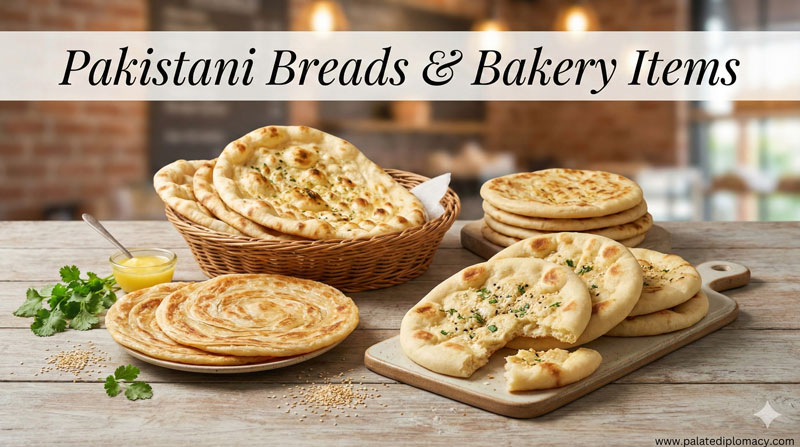
Sheermal is a milky, saffron-infused flatbread. It is enriched with ingredients like milk, ghee or butter, and a touch of sugar, which give it a soft, indulgent character. The dough is rolled thin and cooked until tender, often on a hot tawa or in a clay oven. Its ivory to pale gold color comes from the saffron threads that perfume the dough. Unlike denser loaves, Sheermal is light enough to tear with your fingers, making it ideal for scooping up gravies and sauces. Its balance of sweetness, dairy richness, and warm spice anchors meals that feel celebratory without being overly elaborate.
The Color and Aroma: Saffron and Milk
The signature saffron notes are more than flavor; they are a cultural cue. Saffron threads float through the dough, releasing a gentle perfume as the bread bakes. The aroma blends with that of milk and clarified butter, creating an inviting perfume that signals hospitality. The color—soft, creamy, and subtly honeyed—adds a visual cue of warmth and care. This sensory mix makes Sheermal feel special, whether served at a family gathering, a café table, or a shopfront window in a busy market.
Texture and Making: A Short Guide
Sheermal is prized for its tenderness. The dough is supple, and the final loaf yields with a light, almost fluffy bite. In home kitchens, bakers often use a combination of flour and a touch of yogurt or milk to achieve ease of handling, then rest the dough to relax gluten. The bread is rolled thin and brushed with ghee before a quick bake. The result is a loaf that remains soft for hours, a quality that makes it perfect for pairing with saucy dishes. When you bite into Sheermal, you often notice the gentle sweetness, followed by the creamy mouthfeel that lingers pleasantly.
Cultural Significance in Local Kitchens
Sheermal sits at the heart of many meals as a symbol of warmth and generosity. In traditional dining rooms, bread is frequently the first to greet guests, setting a tone of hospitality. Its preparation is a shared act in many households, with family members lending a hand to rolling, brushing, and tending the bread as it bakes. The bread’s dairy richness mirrors the abundance of the season and the care of the cook. Within local menus, Sheermal helps frame a meal as a moment of connection—an everyday luxury that elevates ordinary dinners into memorable experiences.
Traditional Pairings and Serving Rituals
A typical pairing pairs Sheermal with richly seasoned meats like galouti or seekh kebabs, and with hearty gravies such as dal makhani or creamy curries. The bread’s sweetness and fat content balance bold spices, while its tenderness provides a gentle counterpoint to chunky gravies. In many households, a small dab of butter or ghee on the hot bread enhances fragrance and mouthfeel. Tea or a cool yogurt-based drink often accompanies the meal, complementing the savory and dairy-forward notes. Serving Sheermal with a bright salad or fresh herbs can refresh the palate between bites, making the meal feel balanced and complete.
Regional Variations and Modern Twists
Across regions where Mughlai and Awadhi influences are felt, Sheermal can take on slight regional twists. In some kitchens, a hint of cardamom or rosewater adds a delicate floral note, while others emphasize stronger saffron intensity. Some bakers experiment with a touch of honey or sesame seeds on the surface for extra aroma and texture. Modern restaurants may present Sheermal as a round, pillowy naan-like bread, or as a more rustic, hand-torn flatbread. Yet the essence remains the same: a milky, saffron-scented bread that elevates the dining experience and honors tradition through its method and memory.
How to Enjoy Like a Local
To savor Sheermal as locals do, start with warmth. Reheat it gently so the butter re-melts and the saffron aroma rises. Tear off a piece by hand—this simple act connects you to a long lineage of shared meals. Dip or scoop gravies and kebabs, letting the bread carry rich flavors to your mouth. Alternate bites with sips of a cool beverage or a light yogurt drink to cleanse the palate between savory bites. Take time to notice the fragrance and the melt-in-your-mouth texture. The experience is as much about ritual as it is about taste.
Where to Find and How to Choose
Seek Sheermal at specialty markets, Northern Indian restaurants, or bakeries that highlight Mughlai-inspired breads. When choosing, look for a soft, pliable loaf with a faint, sweet aroma. A light sheen on the surface often indicates fresh ghee brushing. If you buy chilled or frozen, allow it to come to room temperature slowly so the texture remains tender. Inquire about saffron presence and dairy richness if you have preferences for sweetness or dairy-free options. Freshly baked Sheermal will typically taste best the day it’s made, but proper storage can preserve its delicate qualities for a short time.
Quick Tips for Tasting and Enjoyment
- Warm gently to restore softness and aroma.
- Break by hand to enhance the tactile experience.
- Pair with kebabs or creamy gravies to balance richness.
- Pair with a light yogurt drink or tea to cleanse the palate.
- Notice the saffron fragrance as you bite; it should be subtle, not overpowering.
Conclusion
Sheermal is more than a bread; it is a shared tradition that enhances meals with warmth, aroma, and a sense of ceremony. Its saffron milk sweetness, tender texture, and versatile pairing make it a cherished element in local dining culture. By approaching Sheermal with curiosity and care—tasting slowly, sharing with others, and appreciating its craft—you join a long lineage of cooks and diners who celebrate flavor, hospitality, and the beauty of a well-made bread. Enjoy it as locals do, and let it illuminate the everyday rituals that make a meal feel Like a celebration.