
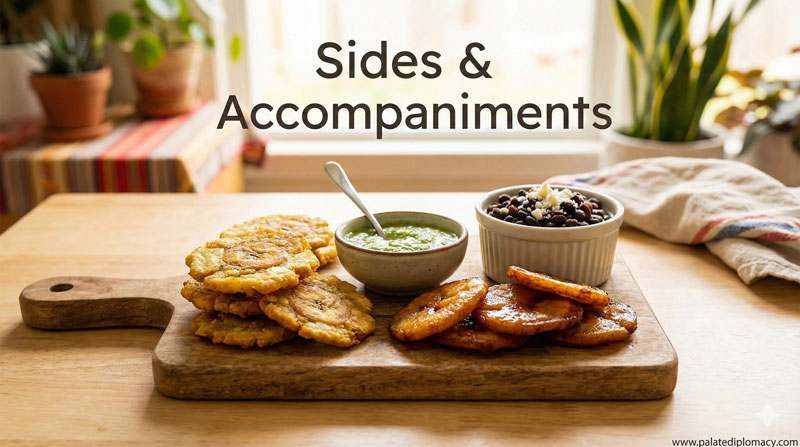
Discovering the Cultural Significance of Venezuelan Sides Storage Methods
Venezuelan cuisine is renowned for its vibrant flavors and rich traditions. At the heart of this culinary heritage are the diverse Side Dishes that accompany many meals. An often overlooked but essential aspect of these sides is how they are stored. Venezuelan sides storage methods reveal much about the country’s culinary values, resourcefulness, and commitment to preserving freshness. In this blog, we explore the cultural and culinary importance of these storage techniques, celebrating their role in Venezuelan Food culture.
The Role of Storage in Venezuelan Culinary Traditions
In Venezuela, food preservation is more than a necessity; it is an art form that reflects ingenuity and a deep understanding of ingredients. Traditional storage methods for sides such as rice, beans, plantains, and various salads have been passed down through generations. These techniques ensure that food remains flavorful and safe to consume, even when fresh ingredients are scarce or when preparing meals in advance. The emphasis on proper storage underscores a respect for ingredients and a desire to maximize their use, which forms a core aspect of Venezuelan culinary identity.
Common Methods of Storing Venezuelan Sides
Venezuelan side dishes are often stored using simple but effective techniques. For instance, many households prefer refrigeration or airtight containers to maintain the freshness of salads like pico de gallo or guasacaca. Dried beans are stored in cool, dry places, sometimes in Clay or ceramic jars that help regulate temperature and humidity. Cooked plantains or yuca might be kept in cool storage areas to prevent spoilage while retaining their texture and flavor. These methods are tailored to the local climate and reflect a practical approach rooted in tradition.
Cultural Values Embedded in Storage Practices
The storage of sides showcases a cultural appreciation for sustainability and resourcefulness. Venezuelan families often prepare large quantities of staples like beans and rice, which can be stored for several days. This practice not only reduces waste but also promotes a sense of preparedness and respect for food. Moreover, storing sides properly allows families to enjoy their favorite flavors over time, turning everyday meals into cherished moments of culinary continuity.
Culinary Significance of Proper Storage
Proper storage enhances the flavor and texture of Venezuelan sides, preserving their authentic taste. For example, properly stored beans develop a richer flavor, and chilled salads retain their freshness and crunch. These techniques also facilitate meal planning and social gatherings, where dishes can be prepared in advance and served at their best. Ultimately, storage methods are intertwined with the enjoyment and appreciation of Venezuelan cuisine, highlighting its emphasis on harmony, balance, and respect for ingredients.
Celebrating the Heritage Through Storage Techniques
In Venezuela, the way sides are stored is a testament to the nation’s culinary wisdom. These practices help maintain the vibrant colors, fresh flavors, and nutritional value of traditional dishes. They also foster a sense of community and continuity, connecting families through shared food heritage. Celebrating these storage methods allows us to appreciate the artistry behind Venezuelan cuisine and recognize their vital role in sustaining its rich culinary tapestry.
Conclusion
Venezuelan sides storage methods are more than just practical techniques; they embody the cultural values of respect, resourcefulness, and tradition. These practices ensure that the flavors of Venezuela’s beloved dishes endure, enriching every meal with history and authenticity. By understanding and appreciating these storage methods, we gain a deeper insight into the vibrant culinary heritage of Venezuela. Embrace this fascinating aspect of Venezuelan cuisine to truly appreciate its richness and depth.