
Introduction: A Dish that Mirrors a Living Culture
Vegan Ethiopian bowls invite readers into a table where flavor, texture, and hospitality meet. The bowl is more than food; it is a simple, inviting ceremony of sharing. In these bowls, plant-based ingredients become a portrait of Ethiopian food culture. The result is vibrant, nourishing, and deeply respectful of tradition. This post explores the cultural value and culinary significance of vegan Ethiopian bowls.
The Grounding Star: Injera as a Cultural Vessel
Injera sits at the heart of Ethiopian bowls. This sour, spongy flatbread is made from teff, a tiny grain with a storied history. When served, injera acts as both plate and utensil. Diners tear a piece and scoop sauces, stews, and greens. The bread carries a gentle tang that balances spices and bright herbs. Sharing injera strengthens welcome and togetherness. In vegan bowls, injera remains the unifying thread, tying textures and flavors into one cohesive meal. Its presence signals a respectful nod to heritage and everyday life.
Teff, Grains, and the Texture of a Plant-Based Feast
Teff is the soul of many vegan Ethiopian bowls. It provides a nutty backdrop and a tender bite. The bowls also showcase other staples like lentils, chickpeas, and greens. Lentil stews, such as misir wat, bring warmth and a comforting depth. Chickpea flours shine in a gentle shiro, offering a creamy contrast to denser elements. Greens like gomen add bright color and a crisp finish. Together, these components create a balance of softness, bite, and aroma. The care in selecting these ingredients reflects a culinary philosophy that values seasonal produce and careful seasoning. In this light, vegan bowls become a vivid, accessible expression of Ethiopian cooking.
Classic Flavors, Modern Bowls: Berbere and Beyond
Berbere and related spice blends define the heat and aroma of Ethiopian cooking. In vegan bowls, berbere punctuates the dish with warmth and complexity, yet it never overwhelms the ingredients. Awaze, a pepper paste, may offer a tangy kick that brightens the plate. The result is a harmonious mosaic: sweet, sour, spicy, and herbal notes that dance together. This balance demonstrates a core value in Ethiopian cuisine—the art of layering flavors to tell a story, not to shout it. The bowls celebrate this culinary language in a form that travelers and locals alike can savor with ease.
The Social Rhythm: Eating Together as Cultural Practice
Vegan Ethiopian bowls shine when shared. A meal is often a moment of gathering, conversation, and mutual enjoyment. The act of serving friends and family around a central table reinforces community ties. Gursha, the gesture of feeding someone with a small bite, is a joyful symbol of care and hospitality. Even when meals are simple, the experience becomes meaningful through togetherness. This social rhythm is a living thread in Ethiopian food culture, and vegan bowls illuminate it in a fresh, approachable way. The bowls invite participation, conversation, and a sense of belonging.
Regional Variations Within a Shared Framework
Ethiopian Cuisine boasts regional diversity, and vegan bowls reflect that variety without losing a common language. In some regions, greens are bolder and spiced with bright herbs. In others, the lentil stew may carry a milder, heartier profile. Injera thickness and fermentation levels vary by bakers and families, adding nuance to the same meal concept. The flexibility of vegan bowls makes room for these differences while preserving the core idea: a nourishing plate that invites sharing and celebration of plant-based food. This gentle diversity highlights the humility and pride found in everyday cooking.
Plating as Poetry: Color, Texture, and Aroma
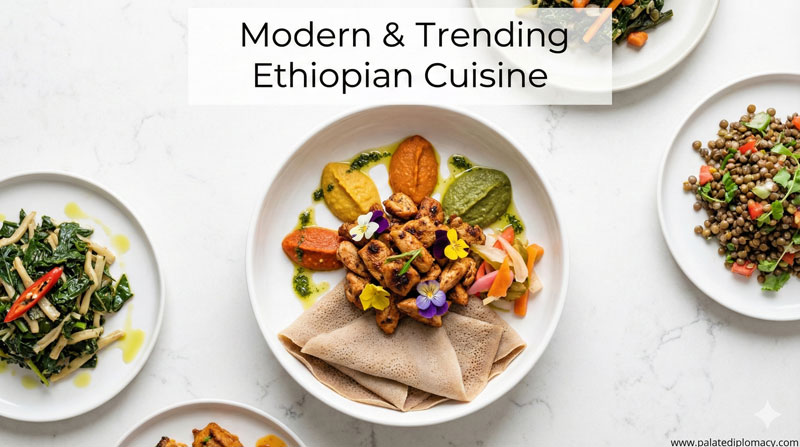
A vegan Ethiopian bowl is a small work of edible art. The colors—golden greens, deep reds, and warm browns—tell a story of season and skill. The textures alternate between silky shiro, chunky lentils, and tender greens. The aroma of toasted teff and spices invites curiosity before a bite even happens. The arrangement on injera-lined plates encourages careful tasting and appreciation. Plating becomes storytelling, and every bowl invites guests to savor more than flavor—also heritage, technique, and care.
Authenticity, Craft, and Educational Value
These bowls offer a gateway to understanding Ethiopian culinary craft. They showcase the value placed on fresh ingredients, aromatic spices, and patient simmering. The plant-based approach makes the dishes approachable for many diners, while preserving the integrity of traditional flavors. For food lovers and curious readers, vegan Ethiopian bowls provide an educational journey in taste, texture, and technique. They demonstrate that a cuisine rooted in simplicity can yield depth, balance, and cultural resonance.
A Gentle Invitation to Explore
If you are new to Ethiopian cooking, vegan bowls offer a welcoming entry point. Start with a warm layer of injera, add misir wat for comfort, fold in shiro for creaminess, and finish with greens for brightness. The result is a meal that is easy to share, hard to forget, and rich in cultural value. This approach honors the past while inviting modern dining experiences and family meals.
Conclusion: A Living Reflection of Ethiopian Food Culture
Vegan Ethiopian bowls celebrate a cuisine rooted in community, balance, and respect for ingredients. They reflect the cultural value of hospitality, the culinary significance of injera as both plate and partner, and the skill of layering flavors with care. Through these bowls, diners encounter a food culture that welcomes all to the table, invites conversation, and honors tradition with every bite. In this simple yet meaningful form, Ethiopian food culture shines—warm, vibrant, and endlessly generous.